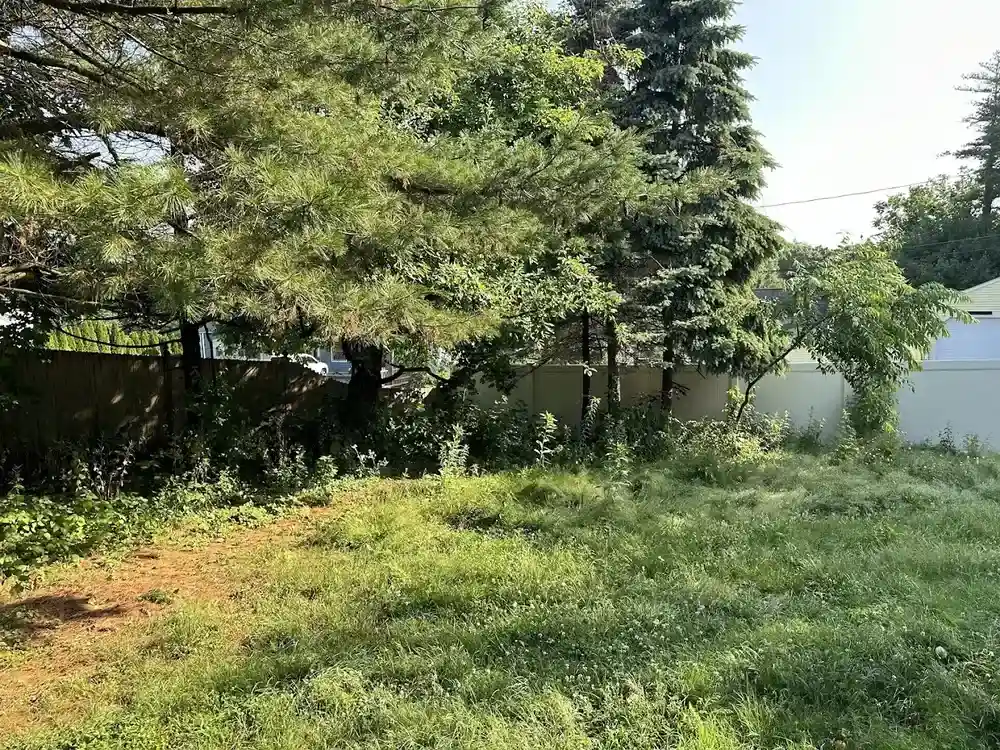
Backyard privacy solutions: 24 Proven Best Ideas for 2025
Creating Your Private Outdoor Retreat
Have you ever stepped into your backyard only to feel like you’re on display? You’re not alone. Creating a personal sanctuary in your outdoor space has become more than just a luxury—it’s a priority for most homeowners today.
Backyard privacy solutions transform ordinary yards into intimate retreats where you can truly unwind. According to a revealing 2023 survey by Extra Space Storage, a whopping 67% of homeowners now rank backyard privacy at the top of their outdoor renovation wish lists. And it’s not just about feeling comfortable—it’s an investment too. HGTV has found that thoughtful privacy features can boost your home’s resale value by up to 10%. Not bad for something that also improves your daily life!
The secret to creating genuine seclusion isn’t just throwing up a fence and calling it a day. The most effective approaches blend different elements to address your specific situation:
Structural barriers provide the foundation of most privacy plans. From classic wooden fences to neat stone walls and versatile pergolas with privacy panels, these create immediate boundaries and define your space.
Living screens add natural beauty while blocking unwanted views. Fast-growing trees like arborvitae, lush hedges, and even strategically placed ornamental grasses can create green walls that improve with time.
Flexible options give you privacy when and where you need it. Shade sails, outdoor curtains, and retractable screens can be adjusted as the sun moves or when you want different levels of openness.
DIY solutions offer budget-friendly alternatives that don’t sacrifice style. Wood slat screens, lattice panels, and clever planter combinations can be weekend projects with lasting impact.
Design strategies tie everything together. Thoughtful approaches like layered plantings and smart furniture placement can maximize privacy even in challenging spaces.
Many homeowners find that standard solutions aren’t enough for complex situations. For instance, 42% of people with neighbors who have liftd decks report needing to combine traditional fencing with overhead elements like shade sails or taller plantings to truly feel secluded.

With the right combination of privacy elements, your backyard can become that peaceful retreat you’ve been dreaming about—a place where you can enjoy your morning coffee in peaceful solitude, entertain friends without feeling exposed, or simply connect with nature on your own terms.
Looking for complementary outdoor features to improve your private retreat? Explore these related services:
– Backyard lighting design
– Luxury outdoor spaces
– Outdoor stone sculptures
Rock-Solid Barriers & Architectural Features
When it comes to creating immediate and substantial backyard privacy solutions, nothing beats the effectiveness of solid structures. These permanent installations not only block unwanted views but can also improve your property’s aesthetic appeal and value.
At OutdoorX, we’ve seen how the right architectural features can transform an exposed yard into a private sanctuary. From classic fences to European-inspired masonry walls, these solutions offer both form and function.
Before installing any permanent structure, always check your local building codes and permit requirements. In Essex County, many towns limit fence heights to 6 feet, though decorative elements like lattice toppers might be permitted as additions.
1. Classic 6–8 ft Privacy Fence
The privacy fence remains one of the most popular backyard privacy solutions for good reason—it’s effective, relatively affordable, and creates an immediate barrier. Modern fencing options include wood (traditional cedar or pressure-treated pine), vinyl (higher upfront cost but virtually maintenance-free), and composite (combines wood fibers with plastic for durability).
“Matching your fence stain or style to your home design creates a cohesive look that improves property value,” notes Kim Thibodeau, a landscape designer we frequently collaborate with on Essex County projects.
Wood fences offer a natural look and can be stained or painted, but they do require regular maintenance every 2-3 years. Vinyl, while pricier initially, can last 20+ years with almost no maintenance. Composite options give you that wood-like appearance without the upkeep headaches.
The pros of privacy fences include immediate privacy, clear property boundaries, wind protection for gardens, and noise reduction. On the downside, they may require permits, can feel confining in smaller yards, and wooden varieties need regular TLC. Plus, there’s always the possibility of neighbor disputes over style or placement.
In Massachusetts, most towns cap residential fence heights at 6 feet, but you can often add height with decorative elements like lattice or post caps. If you’re handy, building your own privacy fence might be an option, though our Fence Installation services can save you time and ensure professional results.
Average Cost Range: $20-$60 per linear foot installed, depending on material choice and height, with custom designs potentially ranging up to $150 per linear foot.
2. Stone or Brick Wall
For homeowners seeking a premium, enduring privacy solution, masonry walls offer unparalleled durability and distinctive character. These structures are particularly popular in coastal Massachusetts towns like Marblehead and Rockport, where they complement historic architecture.
“Stone walls lend a European influence and can double as accent walls in your landscape design,” explains Stefano Marinaz, a garden designer whose techniques we often reference in our Essex County projects.
Stone and brick walls excel as backyard privacy solutions because they last 50+ years with virtually no maintenance. They provide superior sound buffering—perfect if you live near a busy street—and they stand up beautifully to our harsh New England winters.
For a weathered, established look, professional masons can pack mortar or clay into wall openings, creating the impression of an aged structure that’s been part of the landscape for generations. Many of our clients love pairing these walls with climbing plants or espaliered fruit trees, softening their appearance while maintaining structural integrity.
Average Cost Range: $35-$100 per square foot, depending on stone type and construction method, with high-end custom designs potentially reaching $300 per square foot.
3. Pergola with Privacy Panels

Pergolas offer a sophisticated approach to backyard privacy solutions by creating defined outdoor rooms with overhead structure and opportunities for side screening.
At OutdoorX, we’ve transformed countless backyards in Essex County with pergolas that serve multiple functions. They define entertainment spaces, support climbing vines for natural shade, provide mounting points for privacy panels, and create visual separation without solid walls.
Modern pergolas can be improved with various privacy elements like weather-resistant outdoor curtains that can be drawn closed when privacy is desired. Laser-cut screens with decorative patterns filter light while blocking direct views, adding an artistic element to your space. Retractable shade systems provide both overhead privacy from second-story neighbors and protection from sun and light rain.
One of our Ipswich clients combined a cedar pergola with retractable side screens, creating what she calls “an outdoor living room that feels completely private but can open up when we’re entertaining.” The versatility of these structures makes them particularly valuable in neighborhoods where homes are close together.
Average Cost Range: $3,500-$10,000 for a basic pergola structure, with custom designs and privacy improvements potentially reaching $25,000 or more.
4. Multi-Purpose Garden Shed “Screen”
Garden sheds have evolved far beyond simple storage solutions—they’re now key players in the backyard privacy solutions toolkit. A strategically placed shed can block sightlines while serving multiple functions.
In Beverly and Danvers, we’ve helped homeowners transform basic garden sheds into home offices with private outdoor seating areas, art studios with screened porches, entertainment hubs with built-in bars, and even guest retreats with private patios.
“Taking advantage of your backyard shed for both storage and screening is a smart investment,” says a local real estate agent we partner with. “It adds usable square footage and creates privacy without feeling like you’ve built a fortress.”
The she-shed trend continues to grow, with many homeowners creating personal retreats or home office hideaways that double as privacy screens. Before installing any shed, check local permit requirements for sheds. Most Massachusetts towns require permits for structures over a certain size (typically 120 square feet), and placement must respect setback requirements from property lines.
Average Cost Range: $3,000-$8,000 for a quality pre-built shed, with custom designs and interior finishing potentially reaching $20,000 or more.
5. Lifted Planter-Topped Fence Extension
For homeowners facing privacy challenges from liftd neighboring properties, standard fences often fall short. Our innovative solution: planter-topped fence extensions that add height without violating local codes.
These clever backyard privacy solutions feature built-in planters mounted atop existing fences, creating additional screening through both the structure and the plants it supports. They add 2-3 feet of privacy height while introducing greenery at eye level. They also create habitat for birds and pollinators, avoid potential variance requirements, and offer renter-friendly options with bolt-on designs.
One North Reading client faced privacy issues from a neighbor’s liftd deck that overlooked their patio. By adding cedar planter boxes atop their existing fence and filling them with tall ornamental grasses, they gained the additional height needed without requesting a variance.
For renters, we’ve designed bolt-on versions that can be removed without damaging the existing fence structure when it’s time to move. This makes them one of the most versatile and adaptable privacy solutions for people who don’t own their homes.
Average Cost Range: $75-$200 per linear foot, depending on materials and planting selections, with custom designs potentially reaching $350 per linear foot.
When comparing living screens to non-living barriers, each has distinct advantages. While structural elements provide immediate privacy, living screens improve with age and offer environmental benefits. The best backyard privacy solutions often combine both approaches for maximum effectiveness and visual appeal.
Green & Growing Living Screens
There’s something special about using plants as backyard privacy solutions. Unlike solid structures, living screens soften your landscape with natural beauty that improves with time. As your green privacy grows taller and fuller, it creates a sanctuary that feels worlds away from neighboring eyes.
Here in Essex County, we’ve helped countless homeowners transform exposed yards into secluded retreats using carefully selected trees, shrubs, and ornamental grasses. These living barriers do more than just block unwanted views—they clean the air, provide habitat for birds and butterflies, and add year-round interest to your outdoor space.
The secret to successful living screens? Choosing the right plants for your specific conditions and privacy needs. Let’s explore the most effective options we’ve implemented for our Massachusetts clients.
6. Fast-Growing Arborvitae or Leyland Cypress
When clients ask for privacy “yesterday,” we often recommend arborvitae or Leyland cypress. These evergreen workhorses can shoot up 2-3 feet annually, creating an effective living wall in just a few growing seasons.
Arborvitae varieties like ‘Green Giant’ and ‘Emerald Green’ thrive in our Essex County climate. Their dense, year-round foliage creates a solid green barrier that stands strong even through our harsh New England winters. ‘Green Giant’ works beautifully on larger properties, while ‘Emerald Green’ stays narrower for tighter spaces.
One Danvers homeowner we worked with was amazed at how quickly her arborvitae screen developed. “Within three years, I went from having my neighbor’s deck staring straight into my kitchen to enjoying complete privacy,” she told us.
For planting success, we recommend spacing arborvitae 4-6 feet apart and Leyland cypress 8-10 feet apart. That initial gap might look sparse, but trust us—they’ll fill in beautifully. We always prepare the soil with organic matter before planting and emphasize deep, regular watering during the first two growing seasons to establish strong roots.
Average Cost Range: $50-$150 per tree depending on size at planting, with installation services adding $30-$75 per tree. Full property screening typically ranges from $2,000-$6,000, with extensive properties potentially reaching $15,000 or more.
7. Columnar Hornbeam for Narrow Yards

Not every yard has room for spreading evergreens. That’s where columnar European hornbeam shines as one of our favorite backyard privacy solutions for tight spaces. These neat deciduous trees stay remarkably narrow—just 10-15 feet at maturity—while still providing effective screening.
What makes hornbeam truly special is what we call its “winter transparency.” Even after leaves drop, the dense branch structure continues to filter views, giving you a sense of seclusion without feeling boxed in. This makes it perfect for historic neighborhoods in Salem and Marblehead where space comes at a premium.
“Even in January, I feel like I have privacy from my neighbor’s second-story windows,” shared one of our Swampscott clients with a shallow 12-foot backyard. “The branching is so intricate that it breaks up the view just enough.”
Hornbeams also require minimal pruning and tolerate urban conditions beautifully. Their corrugated leaves add texture to your landscape and turn lovely shades of yellow and orange in fall.
Average Cost Range: $150-$350 per tree depending on size at planting, with installation services adding $50-$100 per tree. Complete installation typically ranges from $1,500-$4,500, with larger properties potentially reaching $10,000 or more.
8. Ornamental Grasses Around Seating Nooks
For more intimate spaces like fire pits or meditation corners, you don’t always need tall trees. Sometimes waist-high ornamental grasses create the perfect sense of enclosure while maintaining broader views of your landscape.
We love using grasses like Miscanthus (Maiden Grass), Panicum (Switchgrass), and Schizachyrium (Little Bluestem) to create what one of our designers calls “prairie pockets”—cozy seating areas surrounded by softly swaying grasses that rustle in the breeze.
“The movement is what makes grasses special as backyard privacy solutions,” explains our lead horticulturist. “They’re never static like a fence. They dance in the wind, creating both visual privacy and a gentle white noise that masks neighborhood sounds.”
Most ornamental grasses are drought-tolerant once established, making them perfect for busy homeowners or properties with water restrictions. They also provide winter interest with their distinctive seed heads standing proud above the snow.
Average Cost Range: $15-$45 per plant depending on size, with installation services adding $10-$25 per plant. A complete grass privacy installation typically ranges from $500-$2,000, with extensive properties potentially reaching $5,000 or more.
9. Container Palms & Bamboo (Planter-Bound)
Sometimes you need backyard privacy solutions you can move around. Container-grown plants offer exactly that flexibility, making them perfect for renters, homeowners with strict HOA rules, or anyone who wants to adjust their screening seasonally.
We’ve created stunning tropical retreats for Essex County clients using container palms like windmill palm (Trachycarpus fortunei) and European fan palm (Chamaerops humilis). While not winter-hardy in our climate, these dramatic plants create instant height and screening during summer months and can be overwintered indoors.
Bamboo offers another excellent container option. Its rapid growth and dense foliage create effective screens, but when planted directly in the ground, running bamboo varieties can become nightmarishly invasive. Keeping them contained in large planters gives you all the benefits without the risks.
“My bamboo containers completely shield my hot tub from view,” one Newburyport client told us. “Plus, I can rearrange them if I’m entertaining or want a different look. The tropical vibe makes my backyard feel like a vacation spot.”
Average Cost Range: $75-$300 per container setup depending on plant size and container quality, with a complete patio screening typically ranging from $800-$3,000, and luxury installations potentially reaching $7,500 or more.
10. Living Walls & Trellised Vines
When ground space is limited, think vertical! Living walls and trellised vines transform ordinary fences or walls into lush, green backyard privacy solutions that maximize every inch of your property.
For quick coverage in Essex County gardens, we recommend fast-growing vines like Boston Ivy and Virginia Creeper. Both offer spectacular fall color and cling directly to surfaces without support. For flowering options, American Wisteria and Climbing Hydrangea create stunning displays while providing excellent screening.
“My climbing hydrangea transformed a plain fence into what feels like a secret garden wall,” shared a Georgetown client. “It flowers beautifully in summer and the branching pattern adds interest even in winter.”
For those seeking something more structured, modular living wall systems allow you to create stunning vertical gardens filled with ferns, heucheras, and small flowering perennials. These can be installed on existing walls or as freestanding structures.
The key to success with vertical gardens is proper irrigation. We often install simple drip systems that ensure consistent moisture without overwatering—essential for keeping your living wall lush and healthy.
Average Cost Range: $50-$150 per square foot for professionally installed living wall systems, with a typical installation ranging from $2,000-$7,500, and extensive custom systems potentially reaching $20,000 or more.
Want to learn more about creating natural privacy? Check out this guide to plant evergreen trees for year-round screening.
Flexible Fabric & Shade Strategies
Not every privacy challenge requires a permanent solution. Flexible backyard privacy solutions using fabric and adjustable elements offer versatility for changing needs and seasonal use. These options are particularly valuable for renters, those with HOA restrictions, or homeowners who want privacy that can be deployed as needed.
At OutdoorX, we’ve helped countless Essex County residents create adaptable privacy using shade sails, outdoor curtains, and other fabric-based strategies. These solutions not only provide privacy but also offer protection from sun, wind, and light rain.
11. Triangular Shade Sails Over Patio
Shade sails have revolutionized backyard privacy solutions by offering overhead screening that blocks downward views from second-story windows or liftd decks. These triangular or rectangular fabric panels create architectural interest while serving a practical purpose.
In a recent Marblehead project, we installed four overlapping shade sails to block views from a neighbor’s above-ground pool deck. The client reports, “It’s transformed our patio from an exposed fishbowl to a private retreat.”
Key Benefits:
– Blocks sightlines from above
– Creates cooling shade
– Adds architectural interest
– Available in various colors to complement your design
– More affordable than permanent roof structures
Installation Tips:
– Use heavy-duty mounting hardware rated for wind loads
– Create tension with turnbuckles for proper drainage
– Overlap multiple sails for complete coverage
– Consider removable options in areas with heavy snow
For maximum effectiveness as backyard privacy solutions, we recommend installing sails at varying heights and angles, creating a dynamic overhead plane that blocks views without feeling claustrophobic.
Average Cost Range: $100-$500 per sail depending on size and quality, with professional installation adding $200-$800. Complete multi-sail installations typically range from $1,000-$3,500, with extensive custom systems potentially reaching $8,000 or more.
12. Ceiling-Track Outdoor Drapes
For a resort-like feel with maximum flexibility, outdoor curtains on ceiling tracks offer backyard privacy solutions that can be opened or closed as needed. This approach works beautifully for pergolas, covered patios, and porches.
“Floor-to-ceiling drapery panels can block a nosy neighbor with just a flick of the wrist,” notes a designer whose techniques we frequently implement in our Essex County projects.
The key to success with outdoor curtains is selecting the right materials:
Weather-Resistant Fabrics:
– Solution-dyed acrylic (like Sunbrella)
– Polyester with UV inhibitors
– Quick-drying, mildew-resistant options
Hardware Systems:
– Ceiling-mounted tracks for smooth operation
– Marine-grade cables for open spans
– Weighted hems to prevent billowing
One Ipswich client describes their outdoor curtain system as “transformative.” They explain, “We can create complete privacy for intimate gatherings or open everything up when entertaining larger groups. It’s like having adjustable walls.”
For year-round use in New England, we recommend removing and storing curtains during winter months to prevent damage from snow and ice.
Average Cost Range: $50-$150 per linear foot including fabric and hardware, with professional installation adding $20-$50 per linear foot. Complete installations typically range from $1,000-$3,000, with extensive custom systems potentially reaching $7,500 or more.
13. Pop-Up Canopy or Pergola Kit
For temporary or seasonal backyard privacy solutions, pop-up canopies and pergola kits offer immediate privacy without permanent installation. These options are ideal for renters or homeowners who want flexibility in their outdoor arrangements.
Modern pop-up structures have evolved far beyond basic party tents, with stylish designs that include:
- Retractable side panels for privacy
- Built-in mosquito netting
- Weather-resistant fabrics
- Quick-assembly frames
At OutdoorX, we’ve helped clients select and place these structures strategically to create private outdoor rooms within larger yard spaces. One North Andover family uses a pergola kit with removable side curtains to create a private dining area that can be disassembled and stored during winter months.
“The beauty of these solutions is their versatility,” explains our design consultant. “You can create privacy exactly where and when you need it, without committing to permanent structures.”
For renters facing privacy challenges, these non-permanent backyard privacy solutions offer substantial screening without violating lease agreements or requiring landlord approval.
Average Cost Range: $200-$800 for basic pop-up canopies, $800-$3,000 for quality pergola kits, with high-end models potentially reaching $7,500 or more.
14. Oversize Tilting Umbrellas
Sometimes the simplest backyard privacy solutions are the most effective. Oversized patio umbrellas with tilting mechanisms can be positioned to block specific sightlines while providing shade and architectural presence.
New cantilever designs offer maximum flexibility, with 10-13 foot canopies that can be rotated and tilted in multiple directions. For targeted privacy, these umbrellas can be positioned precisely where screening is needed most.
One Beverly client with a sloped yard facing neighbors used a row of three tilting umbrellas to create a privacy screen along their patio edge. “It’s a simple solution that works perfectly,” they report. “We can adjust them as the sun moves or when we need more or less privacy.”
For maximum stability in Essex County’s coastal winds, we recommend:
– Base weights of at least 75-100 pounds
– Wind vents in the canopy
– High-quality mechanisms that won’t loosen over time
– Storage during severe weather events
Average Cost Range: $150-$500 for standard tilting umbrellas, $500-$2,000 for premium cantilever models, with luxury options potentially reaching $5,000 or more.
15. Retractable Screen on Deck Railing
Deck and balcony privacy presents unique challenges, especially in neighborhoods with closely spaced homes. Retractable screens that mount on railings offer backyard privacy solutions that can be deployed when needed without permanently blocking views or light.
These systems typically feature:
– Weather-resistant mesh or fabric screens
– Manual or motorized retraction mechanisms
– Mounting brackets compatible with various railing types
– Child-safe operation with no dangling cords
In a recent Lynnfield project, we installed retractable screens on a deck railing that faces a neighbor’s kitchen windows. The homeowner appreciates being able to “create privacy during family meals but still enjoy the open view when relaxing alone.”
Beyond privacy, these screens offer additional benefits as wind barriers and sun control elements, making them multifunctional additions to your outdoor space.
Average Cost Range: $75-$200 per linear foot depending on material and mechanism quality, with professional installation adding $30-$75 per linear foot. Complete installations typically range from $1,000-$3,500, with extensive custom systems potentially reaching $8,000 or more.
DIY & Budget Backyard Privacy Solutions
Creating privacy doesn’t have to drain your wallet. DIY backyard privacy solutions offer budget-friendly options that can be customized to your exact needs and personal style. These projects typically require just basic tools and moderate woodworking skills, making them perfect weekend projects for homeowners looking to save while adding character to their outdoor spaces.
At OutdoorX, while we specialize in professional installations, we genuinely appreciate the creativity and resourcefulness behind DIY privacy screens. Our clients often combine our professional hardscaping with their own creative touches for truly personalized outdoor retreats.
16. Horizontal Wood Slat Screen Under $200

Horizontal slat screens have become one of the hottest trends in backyard privacy solutions, thanks to their clean, modern look and surprisingly simple construction. With just a trip to Home Depot and about $200, you can create a custom screen that looks like it came straight out of a design magazine.
A standard 6×8 foot screen is remarkably straightforward to build. You’ll need 2×4 lumber for a sturdy frame, 1×6 or 1×4 boards for the horizontal slats, exterior-grade screws, concrete for setting posts, and your choice of stain or paint to protect and beautify the finished product.
The secret to a professional-looking result is consistency in your slat spacing. “I spent extra time making sure my gaps were exactly ¾ inch,” shares a North Reading homeowner who built her own screen last summer. “That attention to detail makes it look store-bought rather than homemade. It gives us the perfect balance of privacy and openness—we can still feel the breeze while being screened from the neighbors.”
When selecting your stain, consider the other wood elements in your yard. A warm cedar tone creates a welcoming vibe, while a darker espresso finish offers a more contemporary feel. For the truly bold, painting your slats in graduated shades of the same color creates a stunning ombré effect that’s sure to impress visitors.
Average Cost Range: $150-$300 for materials to build a standard 6×8 foot screen, with larger or more complex designs potentially reaching $500 or more.
17. Freestanding Lath Privacy Wall
Renters rejoice! Freestanding privacy screens offer flexibility and portability that permanent installations simply can’t match. These backyard privacy solutions can be moved as needed, whether you’re chasing the sun, avoiding a nosy neighbor, or relocating to a new home altogether.
One particularly clever design we’ve seen uses wooden lath—those thin strips typically sold in bundles for plastering—attached to a simple frame with a stable base. The result is lightweight yet surprisingly sturdy, offering filtered privacy that still allows air circulation.
“I built two 4×6 foot lath screens for under $100 each,” a Massachusetts apartment dweller told us proudly. “They create perfect privacy for our patio and the best part is they’ll move with us when our lease ends. My landlord even asked where I bought them!”
The beauty of lath screens lies in their customizability. You can adjust height and width to suit your particular space, paint or stain them to complement your outdoor furniture, and arrange multiple screens to create intimate “rooms” within larger spaces. For added greenery, attach small planters to the screen and add climbing plants like jasmine or clematis.
Essex County’s coastal breezes can be challenging for freestanding structures, so we recommend a wide base with feet extending at least 12 inches, gradually increasing lath spacing from bottom to top for reduced wind resistance, and keeping a few sandbags handy for those particularly gusty days.
Average Cost Range: $75-$200 per screen depending on size and materials, with multiple screen arrangements potentially reaching $600 or more.
18. Upcycled Shutter or Old-Door Wall
There’s something deeply satisfying about creating something beautiful from items that might otherwise end up in a landfill. Eco-friendly backyard privacy solutions that repurpose existing materials not only save money but add unique character and history to your outdoor space.
In historic areas like Salem and Marblehead, where home renovations happen regularly, creative homeowners have transformed architectural salvage into stunning privacy features. Old shutters arranged in a zigzag pattern create a flexible screen that can be reconfigured as needed. Antique doors hinged together form neat folding screens with built-in vintage charm. Even old window frames with their glass replaced by frosted panels can become artistic dividers.
“Each piece in my screen has its own history,” explains a Marblehead homeowner who created a privacy wall from shutters salvaged during her home’s renovation. “Our screen not only provides the privacy we needed but serves as a conversation piece that connects to our home’s past. Guests always ask about it.”
To ensure your upcycled creation stands the test of time, connect elements securely with quality exterior-grade hinges, create a sturdy base or anchor to posts set in concrete, and apply weather-resistant sealants to protect the wood from New England’s sometimes harsh elements. Adding a small roof element can significantly extend the lifespan of your creation.
Average Cost Range: $50-$300 depending on whether materials are salvaged for free or purchased from architectural salvage dealers, with installation hardware adding $50-$100.
19. Hanging Planter & Lattice Combo
Why choose between privacy and gardening when you can have both? Hanging planter and lattice combinations offer ingenious backyard privacy solutions that maximize vertical space for dual purposes. These systems are particularly perfect for small patios and balconies where every square foot counts.
The concept is beautifully simple: a lattice panel provides vertical support while attached planters at various heights offer both greenery and screening. Hooks or brackets allow for hanging additional elements, from small potted herbs to decorative wind chimes or solar lanterns.
This approach has won the hearts of urban gardeners everywhere. One Peabody condo owner described their lattice-planter combo as “a productive privacy solution—we grow fresh herbs and salad greens all summer while blocking the view from neighboring units. It’s like having a living wall that feeds us!”
For maximum success, choose deeper planters that won’t dry out quickly in summer heat, consider installing a simple drip irrigation system for consistent watering, and select a thoughtful mix of trailing plants (like creeping thyme or strawberries) and upright growers (like basil or ornamental grasses) for complete coverage.
This solution works beautifully for renters since the entire system can be constructed to stand independently without permanent mounting. When it’s time to move, simply disassemble and take your garden with you!
Average Cost Range: $100-$350 for materials depending on size and planter quality, with pre-made systems potentially reaching $750 or more.
20. Fabric Sail + PVC Frame for Renters
Sometimes the simplest solutions are the most brilliant. For the ultimate in affordable, renter-friendly backyard privacy solutions, it’s hard to beat a simple PVC frame supporting outdoor fabric panels. This approach requires no digging or permanent installation while providing substantial privacy wherever you need it most.
The components couldn’t be more straightforward: PVC pipes and connectors (1-1.5 inch diameter works best), weather-resistant fabric like canvas or shade cloth, zip ties or curtain clips for attachment, and weighted bases for stability. The entire setup can be assembled without specialized tools and disassembled flat for storage or moving.
“I created three 6×6 foot privacy screens for under $100 total,” a delighted Gloucester renter told us. “They completely transformed our shared backyard into distinct, private areas where my roommates and I can each enjoy our own space. The property manager was impressed with how nice they look and how they haven’t damaged anything.”
The adaptability of this system is what makes it truly shine. Screens can be configured in different arrangements depending on where you need privacy. Fabric can be changed seasonally – perhaps a heavier canvas for cooler months and a lighter mesh for summer. You can even create different “looks” for special occasions or outdoor parties.
For improved stability in windy Essex County locations, consider filling PVC pipes with sand for added weight, using ground stakes in grassy areas (where permitted), creating an H-shaped base for freestanding sections, or adding diagonal bracing for larger screens.
Average Cost Range: $50-$150 per screen section depending on size and fabric quality, with multiple screen arrangements potentially reaching $400 or more.
Design & Planning Secrets for Maximum Seclusion
Creating truly effective backyard privacy solutions isn’t just about throwing up a fence or planting a few trees. It requires thoughtful design that addresses your specific challenges while making your outdoor space more beautiful and functional. At OutdoorX, we approach privacy as part of a comprehensive landscape plan that considers sightlines, traffic patterns, seasonal changes, and how you actually live in your space.
These design strategies can transform an exposed yard into a secluded retreat that feels both private and welcoming.
21. Layered Planting: Trees-Shrubs-Perennials
Nature doesn’t create privacy with a single row of identical plants—and neither should you. The most natural-looking backyard privacy solutions use multiple plant layers to create depth, interest, and comprehensive screening from all angles.
“We always like to add a private retreat in the landscape as an escape for people to have some downtime,” explains Kim Thibodeau, a designer whose layering techniques we frequently implement in Essex County gardens.
A well-designed layered planting starts with tall trees or evergreens as the “backbone,” adds medium-height shrubs for the middle layer, and finishes with perennials and ornamental grasses to fill in the lower spaces. This creates what designers call “vertical interest”—privacy that engages the eye at multiple levels while blocking unwanted views.
One Manchester-by-the-Sea client transformed their exposed corner lot with a layered planting that includes white pines, viburnums, hydrangeas, and mixed perennials. “It’s like having living walls that change with the seasons,” they report. “We feel completely private without feeling walled in.”
Beyond privacy, these natural screens offer impressive benefits: better sound absorption (some studies show up to 50% noise reduction), improved wildlife habitat, greater wind protection, and significantly increased property value. Plus, the varying bloom times ensure there’s always something beautiful to look at throughout the year.
Average Cost Range: $15-$50 per square foot for professionally designed and installed layered plantings, with extensive properties potentially requiring investments of $10,000-$30,000 or more.
22. Strategic Furniture Placement & Zones
Sometimes the simplest backyard privacy solutions involve no construction at all—just thoughtful arrangement of your outdoor elements. The way you position your furniture can dramatically change how private a space feels, even without adding a single plant or panel.
Imagine sitting in a chair that faces directly toward your neighbor’s kitchen window versus one that faces away with a tall planter behind it. Same chair, same location, completely different privacy experience.
One Boxford homeowner with a hillside property that’s visible from multiple angles created instant privacy through strategic furniture orientation. “Simply positioning our outdoor sofa with its back to the neighbors and adding tall planters behind it created a sense of enclosure without any construction,” they explain.
Creating distinct “rooms” in your outdoor space also improves privacy. By dividing your yard into separate areas for dining, lounging, and cooking—each with its own sense of enclosure—you naturally direct attention inward rather than outward. Even simple level changes of 12-18 inches can create psychological boundaries that feel more private.
This approach to backyard privacy solutions works particularly well for renters and those with HOA restrictions that limit structural additions. It’s also budget-friendly, often requiring only the strategic placement of elements you already own.
Average Cost Range: $0 for rearranging existing furniture, $500-$3,000 for new furniture pieces strategically selected for privacy functions, with complete outdoor room setups potentially reaching $10,000 or more.
23. Lighting & Sound Masking
Privacy isn’t just about what you can see—it’s also about what you can hear and how visible you are after dark. Thoughtful lighting and sound-masking elements are often-overlooked backyard privacy solutions that can make a huge difference in how secluded your space feels.
When it comes to lighting, less is often more for privacy. “Bright flood lights actually reduce privacy by making you more visible to neighbors,” explains our lighting designer. “Subtle, layered lighting creates intimate spaces while maintaining the mystery of darker areas.”
Consider downlighting from trees or structures rather than uplighting, which can create unwanted light spill. Path lights that direct attention inward and string lights that define “ceilings” of outdoor rooms help create a sense of enclosure while providing just enough illumination for safety and ambiance.
For sound privacy, water features are incredibly effective. One Wenham client installed a simple wall fountain that creates enough white noise to mask conversations on their patio, which sits just 15 feet from their neighbor’s kitchen window. “The sound of water makes our conversations feel private even when we’re relatively close to our neighbors,” they report.
Other sound-masking elements include wind chimes strategically placed near conversation areas, outdoor speakers with ambient music or nature sounds, and dense plantings that absorb and diffuse neighborhood noise. Even the rustling of ornamental grasses can provide gentle background sound that improves privacy.
Average Cost Range: $500-$2,500 for basic lighting and small water features, $2,500-$7,500 for comprehensive lighting design and larger water features, with extensive custom systems potentially reaching $15,000 or more.
24. Legal Check-List & Good-Neighbor Etiquette
Even the most beautiful backyard privacy solutions can become nightmares if they violate local codes or damage relationships with neighbors. Before implementing any privacy plan, consider both legal requirements and neighborhood harmony.
Start with a property survey to verify exact boundary lines. You’d be surprised how many fences are built in the wrong place, creating potential liability issues down the road. Next, check local regulations regarding height restrictions, setback requirements, and permit needs. In Essex County’s historic districts, there may be additional design guidelines to follow.
“We always recommend that clients communicate with neighbors before installing privacy features,” notes our project manager. “Often, neighbors have similar concerns and may be willing to share costs for solutions that benefit both properties.”
One Georgetown client avoided potential conflict by inviting neighbors to review privacy screen designs before installation. “They appreciated being consulted and even suggested improvements that made the final result better for everyone,” they explain.
Good-neighbor practices include maintaining the attractive side of fences facing outward (or installing double-sided fences), considering the visual impact from their perspective, and addressing potential water runoff or root issues before they become problems. For plant-based screens, be mindful of eventual growth patterns, leaf drop, and whether roots might affect utilities or foundations.
Privacy works both ways—solutions that block your view of neighbors also block their view of you, often creating mutual benefit. This shared interest can be the foundation for collaborative approaches that strengthen community bonds rather than emphasizing boundaries.
Average Cost Range: $500-$1,500 for professional property surveys, with variance applications or special permits potentially adding $200-$1,000 in administrative costs.
Frequently Asked Questions about Backyard Privacy Solutions
How can I add privacy if my neighbor’s deck looks into my yard?
Ah, the classic “neighbor’s deck overlook” dilemma! It’s one of the most common privacy challenges we encounter at OutdoorX. When your neighbor’s liftd deck turns your backyard into an unwitting reality show, standard fences just don’t cut it as effective backyard privacy solutions.
We typically recommend a multi-layered approach that works from the top down. Start with overhead structures like shade sails, pergolas with canopies, or retractable awnings. These not only block those downward gazes but create pleasant, resort-like shade zones in your yard.
Tall, narrow trees are your next best friends. Columnar varieties like ‘Green Spire’ Lindens or Sky Pencil Holly can reach impressive heights of 15-30 feet while keeping a slim profile that won’t eat up your precious yard space. They’re perfect for property lines where width is limited.
“The sails not only block the view from the neighbor’s second-story deck but create a resort-like atmosphere in our yard,” shared one of our Ipswich clients who solved their overlooking neighbor problem with rectangular shade sails installed at varying heights.
Rather than trying to build one towering barrier (hello, permit issues!), consider staggered screens at different distances to break up sightlines. This approach creates depth while maintaining an open feeling in your yard.
For immediate relief while waiting for those trees to mature, large tilting patio umbrellas positioned strategically around seating areas can provide targeted privacy exactly where you need it most.
Just remember to check your local ordinances before installing any permanent structures—Essex County towns have varying regulations about structure heights and setbacks.
What fast-growing plants work in cold New England climates?
New England winters separate the tough plants from the tender pretenders! Here in Essex County (USDA Zones 6a-6b), we need backyard privacy solutions that can handle both humid summers and frigid winters with equal grace.
For evergreen screening, Green Giant Arborvitae is our go-to recommendation. These powerhouses grow an impressive 3-5 feet per year and reach 30-40 feet tall with a manageable 12-15 foot spread. They’re hardy to Zone 5, making them perfect for our area.
If you’re looking for something with more character, Nellie R. Stevens Holly grows 2-3 feet annually and reaches 15-25 feet tall. They’re technically hardy to Zone 6, but we recommend planting them in protected locations around Essex County for best results.
For truly bulletproof cold hardiness, Norwegian Spruce grows a respectable 1-2 feet per year and can handle temperatures that would make a polar bear shiver (Zone 3).
“For New England, select varieties that can handle both summer humidity and winter cold,” advises a landscape designer who works frequently with OutdoorX. “Avoid borderline-hardy plants like Leyland cypress that might look great for a few years but can suffer dieback during harsh winters.”
If you don’t need year-round screening, deciduous options offer even faster growth. Hybrid Willows are the speed demons of the tree world, shooting up 6-10 feet annually. American Sycamore grows 3-4 feet per year, while Red Twig Dogwood offers moderate growth (2-3 feet yearly) with the bonus of striking red stems that brighten winter landscapes.
For quickest results, we typically recommend starting with larger specimens (at least 5-7 gallon size) and pampering them with amended soil and consistent watering until established.
Are there renter-friendly options that won’t damage property?
Absolutely! Just because you’re renting doesn’t mean you have to sacrifice privacy. We’ve helped numerous Essex County renters create secluded outdoor spaces that won’t jeopardize security deposits.
Freestanding structures are your best allies. Consider folding privacy screens on patios, repurposed room dividers, or bamboo fencing attached to removable stakes. One creative solution we love is PVC-frame privacy screens with fabric panels—they’re lightweight, effective, and completely temporary.
Container gardens offer another brilliant approach to backyard privacy solutions for renters. Large planters filled with tall ornamental grasses create instant screening that moves with you when your lease ends. Potted bamboo provides dramatic height (just keep it contained to prevent spreading!), while trellises in planters with annual vines like morning glory create seasonal walls of green.
“We positioned five 24-inch planters with ornamental grasses, cannas, and bamboo to create a living wall that gives us complete privacy,” explained a North Reading renter we worked with. “When we move, everything comes with us.”
For covered patios or balconies, tension rods with outdoor curtains offer instant seclusion without a single nail or screw. Shade sails can be mounted with non-permanent hardware, while patio umbrellas in heavy bases provide targeted privacy wherever you need it most.
Balcony dwellers should explore vertical gardening systems that attach with temporary hooks or tension rods. These space-saving solutions not only create privacy but often improve the property’s appearance—potentially earning landlord approval for more permanent installations down the road.
The best part about these renter-friendly options? They’re typically budget-friendly too, allowing you to invest in quality pieces that will follow you to your next home and beyond.
Conclusion
Creating effective backyard privacy solutions is both an art and a science—balancing aesthetic preferences, practical needs, and site-specific challenges. At OutdoorX, we specialize in designing custom privacy solutions that improve your outdoor living experience while adding value to your Essex County property.
The most successful approaches often combine multiple strategies. A beautiful fence provides immediate privacy while newly planted trees mature. Living screens add natural beauty and actually improve with age. Flexible elements like outdoor curtains or shade sails offer adaptability when you need it. And thoughtful design ties everything together, maximizing effectiveness while keeping costs reasonable.
Privacy isn’t just about blocking unwanted views—it’s about creating spaces where you can truly relax. Whether you’re seeking seclusion from close neighbors, creating intimate outdoor rooms for entertaining, or simply wanting to enjoy your morning coffee without feeling like you’re on display, the right privacy solution transforms how you experience your outdoor space.
In Essex County’s diverse communities—from historic Salem and Marblehead to suburban Danvers and Peabody—we understand the unique privacy challenges of different property types and neighborhoods. That charming historic district might have specific fencing requirements, while a newer development might have HOA restrictions to steer. Our team can help you work within local regulations while designing privacy solutions that complement your home’s architecture and landscape.
When considering professional privacy installations, budget planning is important. Based on internet data (not actual OutdoorX pricing), average cost ranges typically fall into these categories:
- Basic privacy fencing: $3,000-$8,000 for an average yard
- Comprehensive privacy landscaping: $5,000-$15,000
- Custom pergolas with privacy features: $7,000-$20,000
- Combined hardscape/landscape privacy systems: $10,000-$30,000+
These are average ranges based on internet data and not actual costs for OutdoorX services, which are customized to each project’s specific requirements.
The beauty of working with professionals is that we see the big picture—how your privacy needs connect with other outdoor elements like patios, lighting, drainage, and overall landscape design. Instead of a piecemeal approach, you get a cohesive outdoor space where every element works together.
For a personalized consultation on your privacy needs, contact OutdoorX to schedule a site visit. Our designers can help you explore options that balance immediate privacy with long-term landscape development, creating the secluded retreat you deserve.
Learn more about our hardscaping services and how we can transform your outdoor space into a private sanctuary.