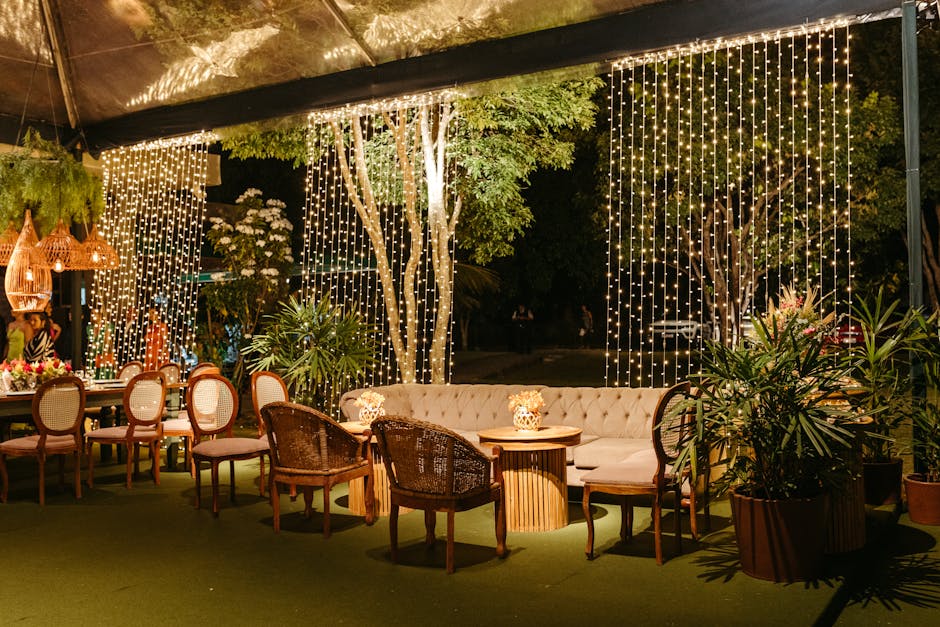
Backyard lighting design: 10 Incredible Tips for 2025
Why Backyard Lighting Design Really Matters
Backyard lighting design can dramatically transform your outdoor areas in appearance, usability, and safety. Simply put, if you want to entertain guests after sunset, make your yard safer to walk through at night, or deter unwanted visitors, thoughtful outdoor lighting is essential.
If you’re here for a quick overview, here’s what you need to know about backyard lighting design:
- Main Purposes: Safety, security, aesthetics, functionality, entertainment, increased property value.
- Popular Lighting Types: Path lights, string lights, spotlights, wall lanterns, floodlights, deck lighting, step lights.
- Top Lighting Tips: Use warm-colored lights to reduce glare and improve ambiance; combine ambient, task, and accent lighting for balanced illumination; consider energy-efficient solutions like solar-powered fixtures and LEDs to save costs and the environment.
Great lighting design makes your outdoor space enjoyable, safe, and visually appealing. Plus, it can significantly boost your home’s curb appeal and property value.
Backyard lighting design word list:
– Luxury outdoor spaces
– Outdoor stone sculptures
– Water feature installations
Understanding the Fundamentals of Backyard Lighting Design
Picture this: you’re enjoying a warm summer evening in your Essex County backyard, the gentle glow of strategically placed lights creating a magical atmosphere that transforms your ordinary outdoor space into something extraordinary. That’s the power of thoughtful backyard lighting design.
I’ve always loved the wisdom of professional landscape designer Duncan Heather, who said, “I was taught from an early stage, that the best garden lighting – you only see the effect, not the fitting.” This perfectly captures what we aim for at OutdoorX – lighting that showcases your beautiful landscape, not the fixtures themselves.
“Light where you need it, when you need it, in the amount needed, and no more.”
This golden rule guides all our lighting designs. Many homeowners make the well-intentioned mistake of installing too many lights, creating a harsh, airport-runway effect that wastes energy and disrupts local wildlife. The art of good lighting is knowing when to hold back.
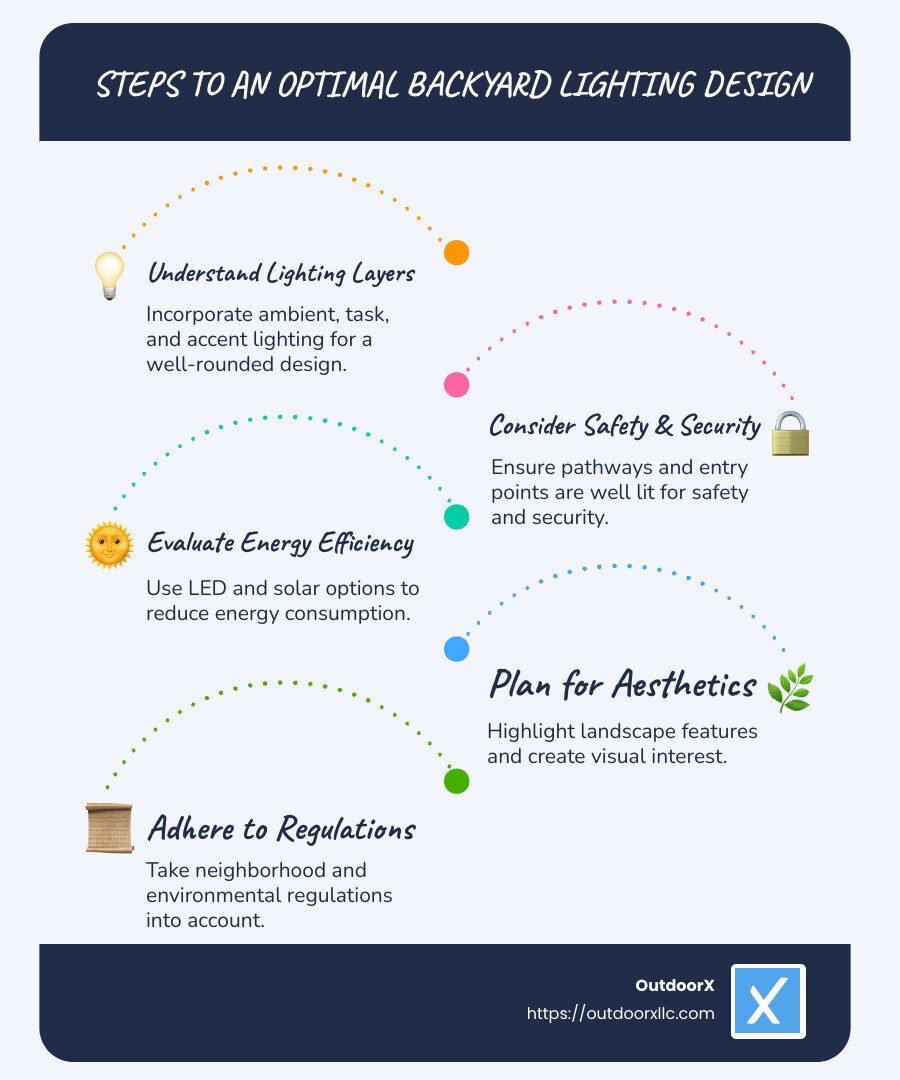
Great backyard lighting design weaves together three essential layers that work in harmony. First, ambient lighting creates that overall gentle glow that allows for safe movement and sets the mood. Second, task lighting serves specific purposes – illuminating your grill so you can see if those steaks are done, or brightening steps to prevent stumbles. Finally, accent lighting adds the magic by highlighting your property’s best features – maybe that gorgeous maple tree, your stone wall, or a water feature.
When these three layers work together, they create depth and dimension that flat, one-note lighting simply can’t achieve. Your yard becomes a three-dimensional canvas after dark, with areas that draw the eye and create visual interest.
More info about Landscape Design Build
The Purpose of Outdoor Lighting
Understanding why you want outdoor lighting helps us create a design that truly serves your needs. There’s no one-size-fits-all approach to backyard lighting design – your unique property and lifestyle should guide every decision.
Safety is often the first consideration. Those beautiful bluestone steps might look stunning during the day but become treacherous obstacles after sunset. Well-placed path lights (typically spaced 10-15 feet apart) create safe passage without overwhelming brightness. I’ve had clients tell me that properly lighting their property’s elevation changes has prevented countless twisted ankles and stumbles.
Security comes next, as strategic lighting eliminates those dark corners where intruders might hide. Motion-sensor lights are particularly effective here – they conserve energy when not needed but instantly illuminate when movement is detected. Many of our Essex County clients find this dual-purpose approach both practical and environmentally responsible.
The aesthetic value of good lighting can’t be overstated. As landscape designer JJ De Sousa wisely notes, “If a yard is properly lit, people are more apt to linger outside after it’s dark.” I’ve seen this – a well-lit backyard becomes an extension of your home, a place where memories are made long after the sun sets.
Functionality transforms your yard from a daytime-only space to a 24-hour living area. Imagine hosting dinner parties that extend into the evening, reading a book in your garden nook after sunset, or simply having a nightcap under the stars – good lighting makes all this possible.
Finally, never underestimate how lighting affects your property value. Some sources suggest professional landscaping with thoughtful lighting can increase property values by up to 17%. Even if you’re not planning to sell soon, that’s a significant return on investment alongside all the enjoyment you’ll get from your beautifully lit outdoor spaces.
Key Elements to Consider Before Installation
Before we start installing fixtures at OutdoorX, we always take time to consider several crucial factors that will affect your backyard lighting design project.
First, let’s talk about our unique climate considerations here in Essex County. Our beautiful New England weather brings everything from summer humidity to winter ice storms, so durability matters. We typically recommend fixtures with an IP rating of at least IP65, which ensures they’ll stand up to our harsh weather conditions year after year.
Your power source options each have distinct advantages. Line voltage (120V) provides reliable, consistent power but requires professional installation for safety. Low voltage (12V) systems offer more design flexibility and energy efficiency, making them our most popular choice for Essex County properties. Solar-powered options eliminate wiring altogether but need good sun exposure to function reliably. And battery-operated fixtures give you maximum placement flexibility but require regular maintenance.
Fixture placement is where science meets art. As one satisfied homeowner, David P. Best, told us, “I’m glad I invested in a comprehensive, high-quality lighting system. It has performed flawlessly and makes the space so much more inviting.” The right placement makes all the difference between a stunning lighting design and one that falls flat.
Being considerate about light pollution isn’t just good for the environment – it creates a more pleasant atmosphere in your yard. Using shielded fixtures and directional lighting minimizes that annoying upward light spill that can wash out the night sky.
The wildlife impact of your lighting choices matters too. Those blue-white lights might seem bright and efficient, but they can disrupt local wildlife patterns. We typically recommend warm-colored lighting (2700-3000K) that’s gentler on nocturnal creatures while still providing beautiful illumination for your property.
Don’t forget to check neighborhood regulations before we start. Some areas in Essex County have specific rules about outdoor lighting brightness and placement. We’re familiar with local codes and can help ensure your project stays compliant.
When it comes to budget planning, quality outdoor lighting is an investment in your property and lifestyle. While costs vary widely based on property size and design complexity, budgeting between $2,000-$10,000 for a comprehensive professional installation is reasonable. These are average costs based on internet data and not actual costs for OutdoorX.
Finally, consider maintenance requirements when choosing fixtures. LED options typically last 15-25 years compared to just 1-2 years for traditional incandescent bulbs, dramatically reducing your long-term maintenance needs. At OutdoorX, we can help you balance initial costs against long-term benefits to find the perfect solution for your Essex County property.
Types of Backyard Lighting Fixtures and Their Applications
Outdoor lighting fixtures come in countless styles and types—each one designed to serve a unique purpose in your backyard lighting design. The secret to creating inviting outdoor spaces lies in understanding which fixtures work best where, and how to blend them seamlessly into your landscape. Let’s explore some of the most popular lighting fixture options and how they can lift your backyard.
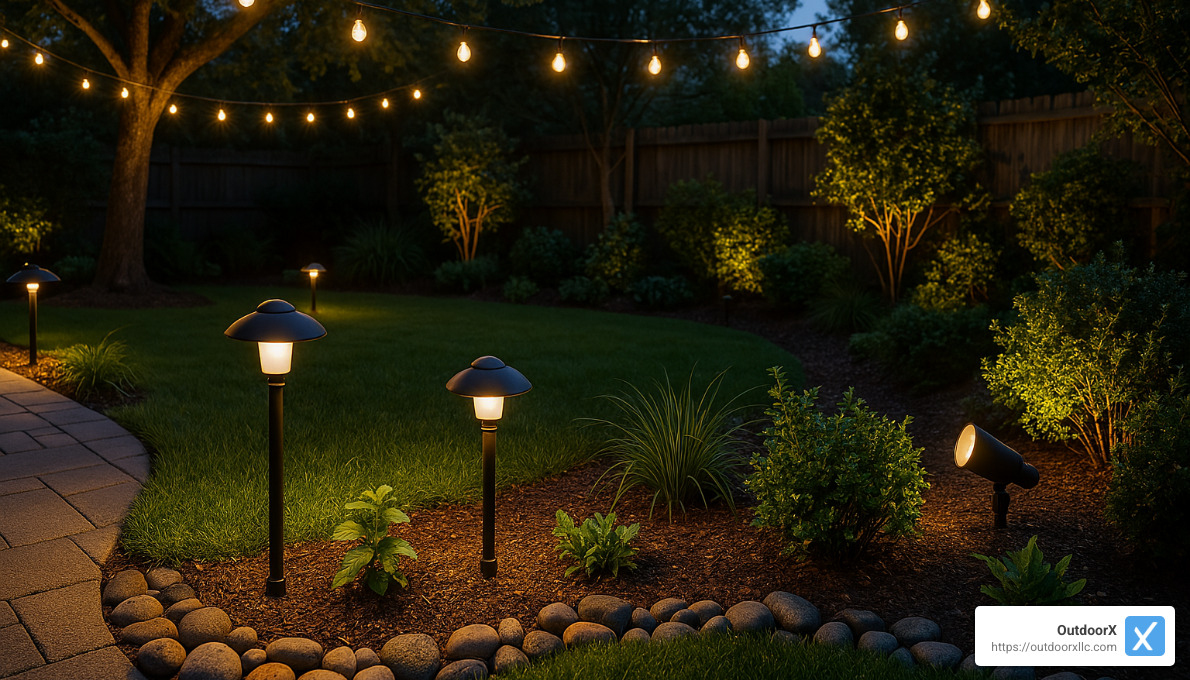
String lights are a favorite for creating a warm, festive atmosphere. Draped along patios, pergolas, or even between trees, they instantly transform your backyard into a cozy gathering spot. They’re ideal for entertaining areas, adding charm without overpowering your space. As one happy homeowner put it, “String lights neatly draped around tree trunks or deck railings create a magical outdoor setting.”
To add architectural interest and practical illumination, consider wall sconces and lanterns. Mounted on walls, fences, or posts, these fixtures highlight entrances, seating spaces, and outdoor structures, offering a welcoming glow that also boosts safety.
When it comes to safety, nothing beats well-placed path lights. These compact fixtures cast gentle downward lighting along walkways and garden paths, guiding family and guests safely through your yard at night. Professionals usually space these lights 10 to 15 feet apart (6 to 8 feet if they’re solar-powered) to prevent an overly bright runway effect. Staggering them slightly along the path creates a natural, inviting look.
For showcasing specific landscape or architectural features, spotlights shine—literally. With a narrow, focused beam (typically 15-30 degrees), spotlights draw attention to trees, statues, or other focal points. For best results, consider positioning two spotlights on opposite sides of a feature for dramatic shadowing and depth.
When you need to brighten large areas quickly, floodlights do the job perfectly. Casting wide beams of light (40-120 degrees), they’re especially useful for driveways, yards, or the sides of buildings. They also double as effective security lighting to deter unwanted visitors.
For a more formal touch, post lights atop columns or posts beautifully mark property boundaries, driveways, and entry points. Their widespread illumination provides excellent light coverage, adding both elegance and practicality to your landscape.
Safety near patios, stairs, and decks should never be overlooked. Step lights recessed into stairs or adjacent walls help prevent accidents by clearly highlighting elevations and differences in height. Similarly, subtle deck lights integrated into rails, posts, or stair risers illuminate gathering spaces, creating a warm, relaxing ambiance.
If you’re looking for a stylish focal point, pendant lights suspended from pergolas, covered patios, or even strong tree branches offer both style and functionality—perfectly suited for dining areas or cozy lounge zones.
Finally, never underestimate the charm and flexibility of portable lanterns. Freestanding or hanging, they can be moved around easily to accommodate changing seasons or special occasions. Grouping a few lanterns together on tables or along pathways instantly creates a welcoming atmosphere with minimal effort.
At OutdoorX, we understand that great backyard lighting design isn’t just about choosing pretty fixtures—it’s about bringing your outdoor spaces to life after sunset. Our team in South Hamilton and throughout Essex County helps homeowners find the perfect combination of fixtures to create outdoor spaces that are warm, inviting, and functional.
Path and Walkway Lighting
When designing your backyard lighting plan, illuminating your paths and walkways is a top priority. Clear, safe passage through your yard at night helps avoid trips or falls and provides a welcoming sense of guidance. But path lighting doesn’t have to be purely functional—the right fixtures can improve your landscape beautifully.
Path lights serve two important functions in your backyard lighting design:
- Safety Illumination: Properly placed path lights clearly mark walkways, stairs, and transitions. Lighting experts typically recommend spacing wired path lights roughly 10-15 feet apart. If you opt for solar-powered lights, which generally provide a gentler glow, spacing them 6-8 feet apart ensures adequate visibility.
- Decorative Borders: Besides safety, path lights define and highlight borders around your garden beds and pathways, adding structure and visual interest after dark. Choose fixtures that cast soft, downward-facing light to avoid glare and create a welcoming look.
Low-voltage (12V) path lighting systems are especially popular due to their energy efficiency and safer operation compared to line-voltage systems. They use a transformer to convert household current into a lower voltage that’s safer around pets, kids, and water. For areas lacking electrical access, solar path lights provide convenient and eco-friendly solutions. Newer models feature improved solar panels and brighter LEDs, offering surprisingly good illumination.
Proper installation is key for long-term performance. Path lights typically require stakes buried 6-8 inches in the ground for stability. In our New England winters, you’ll want to account for frost heave to keep your lights standing tall.
At OutdoorX, we carefully select and position path lights for our Essex County clients, ensuring your pathways are both safe and inviting, without resembling an airport runway.
How to Install Landscape Lighting
Accent and Feature Lighting
Accent lighting brings out the artistry in your landscape. These lighting techniques improve your yard’s beauty, creating drama, depth, and visual interest after dark.
Uplighting involves placing fixtures at ground level, pointed upward at a feature—like a decorative tree or garden sculpture. This highlights textures, creates interesting shadows, and draws attention to focal points in your yard.
Conversely, downlighting fixtures, mounted up high in trees or structures, simulate gentle moonlight filtering through branches—perfect for patios and sitting areas.
If you have plants or items with distinctive shapes, consider silhouetting. Placing a fixture behind the feature, aimed toward a wall or backdrop, creates a beautiful silhouette effect.
Moonlighting is a specialized form of downlighting. Placed high in trees, hidden fixtures cast dappled shadows on the ground, perfectly mimicking natural moonlight.
To highlight textured surfaces like stone walls or decorative fences, grazing is the way to go. Lights placed close and at a shallow angle emphasize surfaces’ textures dramatically.
With shadowing, placing a light in front of a plant or object casts artistic shadows onto nearby walls. The result is a dynamic, ever-changing display as leaves move gently in the breeze.
Landscape highlights—such as water features and sculptures—become gorgeous focal points at night with strategic accent lighting. When illuminating water features, lighting from above is usually best to avoid distortion caused by water ripples.
At OutdoorX, we specialize in identifying and highlighting your landscape’s best features. Our lighting designs turn ordinary yards throughout Essex County into breathtaking nighttime landscapes you’ll love spending time in.
Functional and Task Lighting
While aesthetics are vital, your backyard should also be practical. Effective backyard lighting design includes task lighting custom specifically to outdoor activities.
Outdoor kitchens require bright, focused lighting for safe food preparation—we recommend fixtures with a high color rendering index (CRI) of 90+ for accurate colors and safe cooking.
Dining spaces benefit from adjustable lighting—bright enough to see your meal, but dimmable for relaxing dinners. Pendant lights above tables work beautifully.
For recreational areas, choose versatile lighting fixtures that provide sufficient illumination without causing glare. Adjustable fixtures let you customize brightness based on activities, whether it’s reading a book or playing games.
Pool areas deserve special attention for both safety and aesthetics. Underwater lights create a magical effect, while deck and pathway lighting around the pool ensures safety for swimmers and guests.
Motion-activated security lighting is another practical addition, deterring unwanted visitors and increasing peace of mind. These lights typically offer a detection range of around 26 feet and wide angles for effective coverage.
Finally, always consider brightness levels and glare reduction. Areas like dining spaces might only need 200-400 lumens of soft light, while security lighting may require 700-1300 lumens. Properly shielded fixtures cut down on glare, keeping your yard comfortable and visually appealing.
At OutdoorX, we help homeowners throughout Essex County create outdoor spaces that aren’t just beautiful—but safe, practical, and welcoming well into the night.
More info about Patio Designing and Installation
Creating a Comprehensive Backyard Lighting Design Plan
When it comes to backyard lighting design, having a detailed plan in place makes all the difference. Instead of randomly placing lights here and there (we’ve all been tempted!), taking the time for careful planning ensures your lights improve your landscape beautifully and meet your practical needs. A thoughtful lighting plan doesn’t just look great—it saves you time, money, and headaches down the road.
Let’s walk through exactly how to create an effective backyard lighting plan step-by-step.
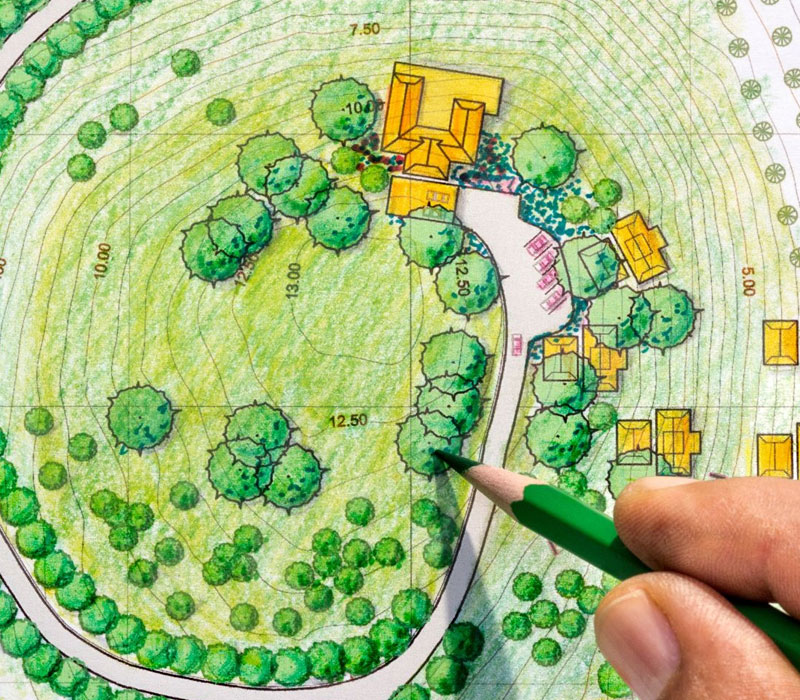
Start with a thorough site analysis. During daylight, walk around your backyard and take note of key features like specimen trees, garden sculptures, water features, or architectural highlights you’d love to emphasize. Pay attention to potential hazards such as steps, uneven surfaces, or dark corners that need illumination for safety. Also, locate existing power sources, underground utilities, and drainage patterns, as these can affect your lighting placement.
Next, perform a detailed lighting needs assessment. Think about how you’ll use your outdoor spaces after sunset. Do you often host backyard dinners under the stars? Do children or older family members frequently steer paths after dark? Are certain landscape features deserving of special nighttime attention? Clearly identifying your lighting goals helps guide your fixture selection and placement. As lighting designers often say, “Know what you want lit—and why—before picking fixtures.”
When it’s time for fixture selection, choose fixtures that complement your home’s style and your landscape’s character. You’ll see these fixtures during the day too, so pick styles that blend beautifully into your overall design. Durable materials like brass, copper, or high-quality powder-coated aluminum are great choices for New England’s variable climate. A wise designer once advised, “If you wouldn’t put it inside your home, probably best not to place it outside either!”
For hardwired systems, creating a detailed wiring diagram is crucial. This diagram should clearly show where transformers, wires, and fixtures will go. Having this blueprint handy can simplify the installation process, whether you’re tackling it yourself or hiring professionals.
Speaking of installation, consider your installation timeline carefully. It often makes sense to install lighting in stages, starting first with essential safety and security lighting, then adding decorative and accent lights later. This phased approach lets you evaluate how your landscape changes at night and make adjustments accordingly.
Of course, budget also matters. A realistic budget allocation takes into account your top priorities and spaces out expenses sensibly. According to internet data (not actual costs for OutdoorX LLC), professional backyard lighting installations generally range from about $2,000 for simpler setups to over $10,000 for extensive, estate-level lighting designs. Your budget will depend heavily on your specific property size and lighting goals.
It’s also worth considering professional consultation—even if you’re leaning towards DIY. Companies like OutdoorX offer expert guidance and comprehensive design services to clients across South Hamilton and Essex County. A professional sees potential issues you might miss and can suggest creative solutions to challenges you haven’t even thought about. Plus, working with a pro can help you avoid common pitfalls and ensure you get the most out of your investment.
If you’re committed to a DIY approach, start small and manageable—maybe installing solar path lights or string lights first. Make sure you prioritize safety at all stages and always familiarize yourself with local electrical codes and regulations before starting.
With careful planning, your beautifully lit backyard will quickly become your favorite place to spend warm evenings outside—trust me, your guests will notice the difference too!
Mapping Your Outdoor Space
When mapping out your outdoor space, you’re essentially creating your lighting design blueprint. This visual planning step helps ensure that every fixture placement is intentional rather than accidental (we’ve all seen those yards that look like a lit-up runway—no thanks!).
Begin by clearly dividing your property into functional zones based on how you’ll use the space. This might include entertainment areas, dining spaces, quiet garden retreats, pathways, or entrances. Each zone will have different lighting needs depending on its purpose.
Next, think about traffic patterns. How do people move around your yard at night? Are there tricky transitions between decks and patios or garden paths and grassy areas? These spots often require extra lighting attention to ensure safe navigation.
Identify the major focal points in your landscape that deserve highlighting, like a majestic old tree, an neat water feature, or a beloved outdoor sculpture. Lighting these features creates strong visual anchors that draw your guests’ eyes across the yard.
Take note of existing structures like pergolas, fences, or arbors. These can be helpful supports for lighting fixtures or may create shadows you’ll need to consider carefully in your design. Also, think about your vegetation. Mature trees and large shrubs influence how your lighting looks today—but remember, plants grow! Choose fixture locations and beam angles that anticipate future growth.
Don’t forget about how seasonal changes affect your outdoor space. Deciduous trees lose leaves in winter, which can uncover previously hidden fixtures and cause unwanted glare. Plan your lighting accordingly so your landscape looks beautiful year-round.
Finally, consider the main viewing angles. Where will you most often see your backyard lighting—from inside your home, outdoor seating areas, or perhaps from the street? Viewing perspectives help determine the best fixture positions for maximum visual impact.
When mapping out your space, think about light layering too. Combine ambient, task, and accent lighting to create depth, dimension, and personality. Great lighting design is about achieving a natural, effortless look—one where viewers appreciate the magical effect without noticing the fixtures themselves.
At OutdoorX, we help our Essex County clients create thoughtful lighting maps that weave together function and aesthetics seamlessly. The result? A cohesive, inviting nighttime landscape you’ll enjoy for years to come.
Balancing Aesthetics and Functionality
A truly successful backyard lighting design carefully balances beauty and practicality. Yes, your lights should look stunning—but they also need to meet your family’s everyday needs. The trick is finding harmony between visual appeal and usability.
Your lighting design should feel cohesive, complementing your home’s architectural style and landscape design. A sleek, contemporary home pairs naturally with minimalist fixtures, whereas a traditional Massachusetts colonial may look best accented with more classic, neat lighting styles.
When choosing fixtures, consider how they’ll look in daylight too. After all, you don’t want fixtures that stand out awkwardly during the day. Instead, choose styles that add beauty to your landscape even when turned off. Mixing contrasting finishes and styles can add visual interest—just don’t go overboard!
The light temperature (how warm or cool the light looks) plays a big role in setting the right mood. Generally, warmer lights (2700-3000K) create a cozy, inviting atmosphere perfect for backyard entertaining or relaxing. Cooler lights (3500-4000K) can highlight foliage beautifully but can also feel less welcoming. Most designers recommend warmer tones for residential landscapes.
Also, pay attention to color rendering. Fixtures with a color rendering index (CRI) of 80 or higher display colors more accurately, making plants, food, and outdoor decor look their best.
Playing with shadows can add depth and drama to your nighttime landscape. Thoughtful lighting placement creates engaging shadow patterns, highlighting textures and movement in plants and architectural features. Pair shadows with areas of brightness to create visual rhythm and interest, drawing the eye naturally through your yard.
Don’t forget about choosing durable fixture materials. Brass and copper fixtures weather beautifully and resist rust, making them excellent choices for Essex County’s unpredictable climate. Always choose fixtures with appropriate weather resistance ratings (IP65 or IP67 are best long-term) to keep your outdoor lighting looking fantastic year after year.
At OutdoorX, we love helping our South Hamilton and Essex County clients strike the perfect balance between aesthetics and practicality in their backyard lighting designs. With the right planning and thoughtful choices, your outdoor spaces will look incredible while remaining perfectly functional after sunset.
More info about Garden Retaining Wall Design
Energy-Efficient and Sustainable Backyard Lighting Solutions
When creating your dream backyard retreat, it’s important to keep sustainability and energy efficiency in mind. Luckily, modern backyard lighting design makes it easy to protect both your wallet and the planet—without sacrificing style or function. By choosing eco-friendly lighting solutions, you’ll enjoy lower energy bills, reduced maintenance, and a smaller environmental footprint.
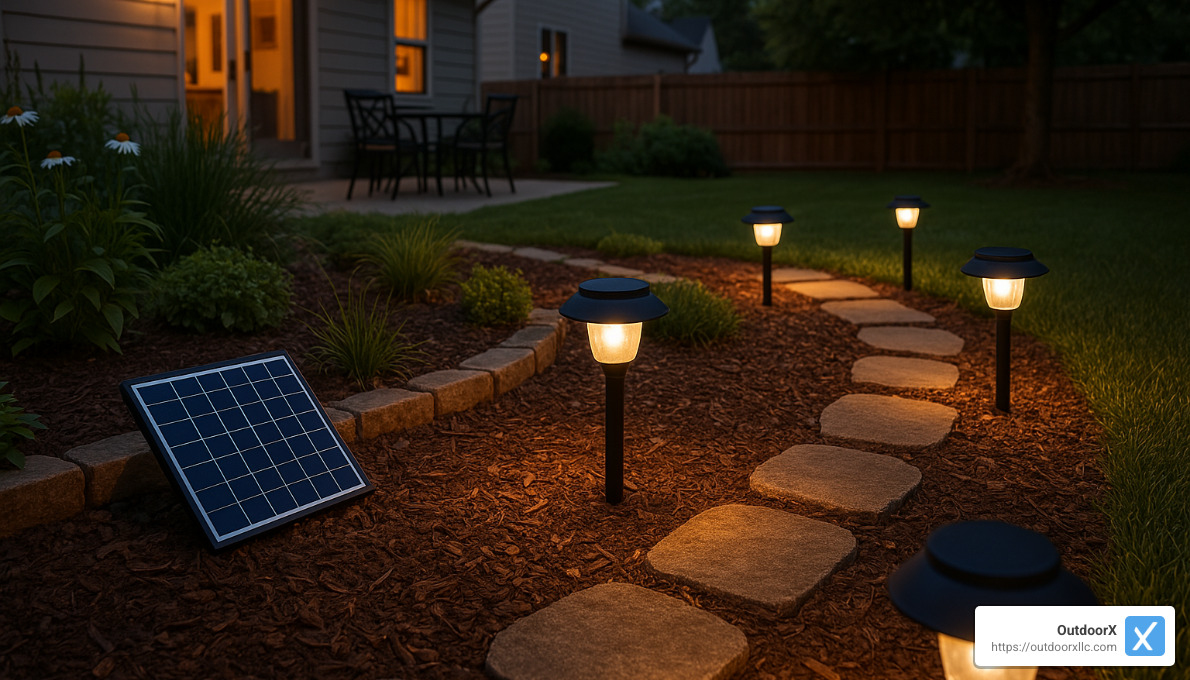
Modern LED technology has truly transformed outdoor lighting. Compared to traditional incandescent bulbs, LEDs use about 75% less energy and can last 15-25 times longer. That means fewer bulb replacements, less hassle, and significant savings on your electric bill over time. For instance, a comprehensive lighting setup with dozens of LED fixtures can often run off less power than a single traditional floodlight. Amazing, right?
Another fantastic sustainable option is solar-powered lighting. Solar lights use the sun’s free energy to power your fixtures at night, meaning no wiring, no electricity costs, and no worries during power outages. Today’s solar lights are far more reliable than their predecessors, thanks to improved photovoltaic cells and advanced battery technology. Homeowners often love the flexibility of solar fixtures, since they can easily be placed anywhere there’s direct sunlight, without worrying about wiring or outlets.
Low-voltage lighting systems (usually 12 volts) are another smart solution for backyard lighting design. Unlike standard 120-volt household current, low-voltage systems are safer, easier to install, and more energy-efficient. They require a transformer to step down the voltage, but the result is a flexible, user-friendly system perfect for illuminating paths, garden beds, and accent features throughout your landscape.
Timers and smart controls can also significantly improve energy efficiency. Programmable timers automatically turn your outdoor lights on and off, ensuring they’re only active when you actually need them—no more accidentally leaving your lights blazing until noon! Smart lighting systems take convenience one step further, allowing you to control your backyard lighting from your smartphone, tablet, or even via voice commands. You can set customized schedules, instantly switch lighting scenes for different occasions, and even adjust brightness levels remotely. Some systems even adapt your lighting based on weather conditions, making your backyard space smarter and more responsive than ever.
Beyond saving money and energy, sustainable lighting solutions also help protect local wildlife and minimize environmental damage. By using shielded fixtures that direct light downward, warm-colored bulbs (around 2700-3000K), and thoughtful placement to avoid unnecessary glare, you can significantly reduce light pollution. That keeps your backyard peaceful and wildlife-friendly—perfect for relaxing evenings under the stars.
While environmentally friendly fixtures might cost a bit more upfront, they typically pay for themselves within a few years through lower energy bills and reduced maintenance. In fact, according to internet pricing data, the upfront cost of professional backyard lighting design ranges widely—from about $2,000 for a basic system to over $10,000 for extensive, high-end installations (remember, these are average prices, not OutdoorX’s specific costs).
At OutdoorX, our mission is creating beautiful, comfortable, and sustainable outdoor spaces that are gentle on the planet—and your wallet. We’re proud to help our friends and neighbors in South Hamilton and throughout Essex County find the perfect energy-efficient lighting solutions for their unique homes and lifestyles.
Solar-Powered Lighting Options
Gone are the days when solar lighting meant dim, unreliable fixtures. Today’s solar-powered options are brighter, longer-lasting, and more attractive than ever before. Solar backyard lighting design has become a popular choice for Essex County homeowners who want convenience, sustainability, and hassle-free installation.
The beauty of solar-powered lights lies in their installation flexibility. Since they don’t require wiring or electrical connections, these lights can be placed virtually anywhere there’s adequate sunlight—perfect for those tricky corners of your garden or remote pathways where running electricity would be difficult or expensive. Plus, no wiring means no impact on your electricity bill and no worries during power outages. Talk about energy independence!
Solar lights are also a win for the environment. They produce zero emissions, use renewable energy, and typically feature energy-efficient LED bulbs. Improved photovoltaic technology now captures more energy even on cloudy days, while lithium-ion batteries store energy more effectively, providing consistent illumination well into the night. Some high-quality models can even store enough power to keep your landscape softly illuminated for multiple cloudy days in a row.
For optimal performance, place your solar fixtures where they’ll receive 6-8 hours of direct sunlight each day. In partly shaded locations, consider fixtures with separate solar panels you can position in sunnier areas. Because Essex County experiences shorter daylight hours in winter, it’s smart to invest in higher-quality solar lights with larger solar panels and better battery capacity. This ensures consistent performance throughout the seasons.
Maintenance is minimal with solar fixtures—mostly just occasional cleaning to keep the solar panels free of dirt, snow, or debris. If snow blocks the panels during winter, take a minute to clear it off to keep your lights shining brightly each evening.
At OutdoorX, we frequently help our Essex County clients incorporate premium solar lighting into their outdoor spaces. Done right, these fixtures blend beautifully into your landscape, offering reliable performance and contributing to a greener, more sustainable environment.
Smart Lighting Systems and Controls
Imagine controlling your entire backyard lighting system with just your voice or a quick tap on your smartphone. Sounds futuristic? It’s actually easier and more affordable than ever, thanks to smart lighting systems. These advanced controls have revolutionized backyard lighting design, providing incredible convenience, customization, and energy-saving capabilities to homeowners in South Hamilton and the greater Essex County area.
Smart lighting systems automatically adjust lights based on sunset and sunrise times, effortlessly adapting to the changing seasons. But automation is just the beginning—you can also set personalized schedules to match your family’s daily activities or entertaining habits. Imagine your pathway lights gently illuminating as the sun sets or your dining area brightening exactly when you sit down for dinner. With smart controls, the ambiance always feels just right.
Remote access is another big advantage of smart lighting. Forgot to turn off the deck lights before heading to bed? No worries—just open your app and switch them off from the comfort of your bed. Heading out for vacation and want to keep your home looking occupied? Easily program your lights to turn on and off while you’re away.
And if you really want to impress your friends, integrate your outdoor lighting with voice assistants like Amazon Alexa, Google Assistant, or Apple HomeKit. A quick voice command can turn on your patio lights, switch between different lighting scenes, or even dim the ambiance for a cozy evening around your outdoor fire pit.
Smart lighting systems can also adapt to weather conditions, automatically increasing brightness during foggy evenings or activating earlier during storms to improve safety. Plus, these systems allow you to monitor your energy usage in real-time, helping you fine-tune your lighting schedules and maximize energy savings.
As one happy homeowner recently said, “I’m glad I invested in a comprehensive, high-quality lighting system. It has performed flawlessly and makes the space so much more inviting.” With smart lighting, you won’t just illuminate your backyard—you’ll transform it into your own customized paradise.
At OutdoorX, we love helping our customers explore and install smart lighting systems. Together, we’ll design a personalized, eco-friendly lighting solution that perfectly matches your lifestyle—creating an outdoor retreat you’ll cherish for years to come.
DIY vs. Professional Backyard Lighting Installation
When you’re planning your backyard lighting design, one big question usually comes up: Should you tackle the installation yourself or bring in the professionals? Both approaches have their pros and cons, and the right choice depends on your project’s complexity, your skills and comfort with DIY, and your budget.
To help you weigh your options, let’s briefly compare some key points between DIY and professional lighting projects:
| Consideration | DIY Installation | Professional Installation |
|---|---|---|
| Initial Cost | Lower upfront expense | Higher initial investment |
| Knowledge Required | Basic electrical understanding needed | Benefits from years of expertise |
| Time Investment | Significant personal time commitment | Minimal time investment for homeowner |
| Equipment | Must purchase or rent specialized tools | Professionals bring all necessary equipment |
| Design Expertise | Limited to personal knowledge | Access to professional design principles |
| Complexity Potential | Suitable for simple systems | Can handle complex, integrated designs |
| Troubleshooting | Owner responsible for identifying issues | Professional diagnosis and repairs |
| Warranty | Limited to manufacturer product warranties | Often includes installation warranty |
| Code Compliance | Owner must research local requirements | Ensures compliance with local codes |
| Long-term Value | Varies depending on installation quality | Typically increases property value |
Going the DIY route can be rewarding, budget-friendly, and perfect for simple, manageable lighting projects. As one homeowner humorously put it, “If you know how to hang Christmas lights without too many cuss words, you’re probably ready for basic backyard lighting.” Projects like string lights across a patio, solar path lighting along walkways, or quick seasonal setups are usually safe bets if you’re handy around the house.
However, professional installation shines brightest when you’re planning a comprehensive lighting system with multiple fixtures, wiring complexities, or specific aesthetic goals. Hiring pros brings several advantages: an experienced lighting designer understands how light interacts with your space, materials, and landscaping to create effects that amateurs might miss (or accidentally create in the wrong way!). They tackle wiring safely and efficiently, ensuring everything meets local electrical codes and standards. Plus, you typically get additional warranty protection to cover workmanship, not just product quality.
At OutdoorX, we specialize in professional backyard lighting design and installations throughout South Hamilton and Essex County. Still, we appreciate homeowners’ creativity and DIY enthusiasm, and we’re always happy to give advice on which projects you can confidently handle yourself and when it might be wiser to call in the experts.
When to Call the Professionals
Even for the most enthusiastic DIYer, there are specific scenarios where professional expertise isn’t just a convenience—it’s essential for safety, code compliance, and getting it right the first time.
If you’re looking at installing complex systems—such as integrated designs with multiple lighting zones, smart lighting controls, or synchronized landscape and water feature lighting—professional installers are worth every penny. As one satisfied homeowner shared, “I’m glad I invested in a comprehensive, high-quality lighting system. It has performed flawlessly and makes the entire backyard feel like a resort.”
High-voltage installations connected directly to your home’s electrical system (120V) definitely require professional handling for safety reasons. These systems involve serious risks of electrical shock and fire hazards if improperly installed.
If you have a large property, professional lighting designers excel at creating balanced illumination solutions. They have detailed knowledge of voltage drops, transformer sizing, and fixture placement to ensure consistent, effective lighting—even far from your power source.
For custom and artistic lighting effects, a professional’s experience and design skills dramatically improve the final look. Lighting features like moonlighting, grazing, or silhouetting depend on precise fixture placement and specialized knowledge of landscape lighting artistry.
Lighting for water features, including pools, ponds, and fountains, also strongly benefit from expert help. Professionals understand how water depth, clarity, and movement affect lighting placement and performance, and they ensure these installations are safe and beautiful.
Additionally, when you’re troubleshooting existing systems, calling a pro takes the guesswork out of diagnosing problems. They can quickly pinpoint transformer issues, wire breaks, or defective fixtures and get your lighting back in shape.
Hiring a professional also ensures code compliance, protecting your home’s safety and insurance coverage. Plus, many pro-installations come with extended warranties covering both product and workmanship issues, providing greater peace of mind.
Knowing when to call in professionals saves you time, frustration, and often money in the long run. At OutdoorX, our team understands Essex County’s unique challenges and brings years of expertise to backyard lighting design projects. We’ll listen to your goals and create a personalized lighting plan that brings your vision to life perfectly, safely, and beautifully.
Budget-Friendly DIY Lighting Projects
If you’re feeling crafty and looking to brighten your backyard without breaking the bank, plenty of DIY lighting projects can add warmth and charm to your outdoor space. You don’t always need fancy equipment or professional skills—just a bit of creativity and enthusiasm!
One of the easiest and most popular DIY projects is installing string lights. You can create a cozy, magical ambiance by draping them over patios, pergolas, or even between poles set in planters. If trees aren’t conveniently located, don’t let that stop you—one clever DIYer shared, “We used metal conduit poles set into PVC pipes buried in the ground, and voila! Instant café-style lighting, no trees necessary.”
Another favorite is setting up solar path lights. These inexpensive fixtures require zero wiring and are incredibly simple to install. Just insert them along pathways or garden edges, and you’ve instantly improved your nighttime safety and landscape charm. Want a custom look? One homeowner recommends using cedar boards to craft stylish holders that complement the garden’s aesthetic.
For flexible, movable lighting, nothing beats portable lanterns. Whether battery-operated or solar-powered, you can cluster these lanterns on tables, around seating areas, or along steps to create instant ambiance whenever needed. And the best part? You can pick them up and rearrange them anytime (perfect if you like rearranging furniture every other weekend!).
Feeling extra creative? Try turning everyday items into delightful repurposed fixtures. Mason jars, old wine bottles, decorative tins, or even cupcake liners can become charming, personalized lights with just a few basic supplies and a dash of imagination.
For special events or temporary lighting solutions, consider projects like umbrella lights, hula hoop chandeliers, or seasonal displays. White holiday mini-lights wrapped around tree trunks or woven into pergolas provide warm, festive illumination suitable for year-round enjoyment.
A friendly safety reminder: always use outdoor-rated fixtures and cords, protect electrical connections from moisture, and avoid overloading circuits. When in doubt about electrical safety or code compliance, reach out to a professional.
At OutdoorX, we admire the creativity and resourcefulness of Essex County’s DIY community. If you’re planning to tackle your own backyard lighting design, we’re happy to give you helpful tips and guidance to ensure your project shines safely and beautifully.
More info about Outdoor Patio Tile Ideas
Frequently Asked Questions about Backyard Lighting Design
What is the most durable material for outdoor lighting fixtures?
When investing in backyard lighting design, fixture durability becomes crucial, especially in Essex County where we experience everything from summer heat to winter snow and ice. I’ve seen fixtures deteriorate quickly when made from inferior materials, which is why we’re often asked about the most weather-resistant options.
Copper stands out as perhaps the most durable choice for outdoor fixtures. Rather than deteriorating, copper actually improves with age as it develops that beautiful natural patina that many homeowners prize. I’ve seen copper fixtures that have withstood decades of coastal weather and still look magnificent – perhaps even better than when they were installed. The initial investment is higher, but many of our clients consider these fixtures family heirlooms.
Brass offers similar excellent durability and also develops an attractive weathered appearance over time. When shopping, always look for solid brass rather than brass-plated fixtures, as the plating can wear away, exposing less durable metals underneath.
For a more budget-friendly option, powder-coated aluminum provides excellent corrosion resistance while remaining lightweight. The quality of the powder-coating process makes all the difference here – premium fixtures use multi-stage processes that create a much more durable finish than economy models.
If you’re near the coast in Essex County, consider marine-grade stainless steel (316 grade) which resists salt corrosion far better than standard stainless. For non-metallic options, modern high-density polyethylene (HDPE) fixtures offer impressive durability without any risk of rust.
Beyond the primary material, look at the details that impact longevity. Quality fixtures use silicone gaskets that stay flexible over time, preventing water infiltration. Tempered or borosilicate glass resists breaking from temperature changes, and internal components should be water-resistant with corrosion-proof connections.
Our Essex County winters present unique challenges with freeze-thaw cycles that can crack fixtures if water accumulates inside. That’s why at OutdoorX, we select fixtures specifically designed to prevent water pooling and built from materials that can withstand our local climate conditions.
How can I prevent light pollution in my backyard lighting design?
Light pollution has become an increasing concern for many of our Essex County clients, and for good reason. Beyond obscuring the night sky, excessive or poorly designed lighting can disrupt wildlife patterns, waste energy, and create tension with neighbors. Fortunately, thoughtful backyard lighting design can minimize these issues while still creating beautiful illumination.
The single most effective strategy is using directional fixtures that precisely control where light goes. Rather than allowing light to scatter in all directions, quality fixtures direct illumination exactly where needed. This simple principle makes a dramatic difference in reducing unwanted light spill.
Adding to this, proper shielding prevents light from broadcasting upward or beyond your property lines. Many fixtures come with built-in shields, but aftermarket options exist for upgrading existing lighting. One of our clients in South Hamilton was amazed at how adding simple shields to their existing spotlights eliminated complaints from a neighbor while actually improving the lighting effect on their specimen trees.
I often remind homeowners that when it comes to outdoor lighting, less is often more. Using lower intensity illumination not only reduces light pollution but typically creates more appealing effects. Many outdoor spaces are dramatically overlit, creating harsh glare rather than the soft, inviting glow most people actually prefer.
The color temperature of your lighting makes a surprising difference too. Warmer lights (2700-3000K) create that cozy, inviting ambiance most people love, while also reducing the blue-violet wavelengths that contribute disproportionately to light pollution and wildlife disruption. Those cool blue-white lights (4000K+) that have become popular might seem modern, but they’re actually much more disruptive to the environment.
Timers and motion sensors ensure lights operate only when needed. I love the moment when clients realize they can have beautiful landscape lighting that automatically adjusts based on their actual usage patterns – bright when entertaining, softer later in the evening, and minimal during sleeping hours.
We follow a simple guideline in our work at OutdoorX: “Light where you need it, when you need it, in the amount needed, and no more.” This balanced approach allows us to create stunning nighttime landscapes that respect both our neighbors and our environment.
What is the average cost of a professional backyard lighting installation?
Understanding the investment required for professional backyard lighting design helps homeowners plan appropriately. I find that costs vary widely based on property size, design complexity, fixture quality, and the specific goals you have for your outdoor space.
Based on internet data, not actual OutdoorX pricing, a basic professional installation focusing on essential areas like pathways, entryways, and highlighting a few key features typically ranges from $2,000 to $4,000. This starter system might include 10-15 fixtures, a transformer, and basic controls. It’s perfect for smaller properties or as a first phase in a larger lighting plan.
For a more comprehensive approach, mid-range installations generally run between $4,000 and $8,000. These systems illuminate multiple landscape features, architectural elements, and functional areas with 15-30 higher-quality fixtures, potentially multiple transformers, and some smart control features. This level provides a truly cohesive lighting experience throughout your property.
Extensive estate lighting with sophisticated design, premium fixtures, and advanced control systems can range from $8,000 to $15,000 or more. These premium installations often feature 30+ fixtures, multiple lighting zones, custom-designed elements, and comprehensive smart controls that create dramatic changes of larger properties.
The individual fixtures themselves vary dramatically in price based on quality and materials. Basic path lights might cost $30-$100 each, while quality brass or copper versions typically range from $100-$300 each. Well lights for uplighting trees or architectural features generally run $50-$250 each, while premium spotlights might be $150-$400 each. Specialty fixtures for unique applications can easily exceed $600 each.
Professional installation typically accounts for 40-50% of the total project cost. This reflects the expertise required for proper placement, wiring, and system integration – elements that make the difference between a basic setup and a truly transformative lighting experience.
Some companies charge separate design fees ($500-$1,500), while others include design services with installation. Additional electrical work such as installing new outdoor outlets or upgrading circuits will add to the overall cost if needed.
Many homeowners appreciate that landscape lighting typically returns 50-100% of its cost in increased property value, making it one of the more financially sound landscape investments. Beyond the financial return, the extended enjoyment of your outdoor spaces after dark provides value that’s harder to quantify but deeply appreciated by our clients.
These figures represent industry averages based on internet data, not actual OutdoorX pricing. For Essex County homeowners interested in exploring options specific to their property, we recommend scheduling a consultation with our lighting design team to create a customized plan that fits both your vision and budget.
Conclusion
Backyard lighting design offers an incredible opportunity to turn your ordinary outdoor spaces into extraordinary nighttime havens. By thoughtfully choosing and positioning the right fixtures, you can dramatically improve your backyard’s beauty, functionality, and safety after the sun sets.
Throughout this guide, we’ve covered everything you need to know—from the basics of layering ambient, task, and accent lighting to the careful selection of fixtures and sustainable lighting solutions. As lighting expert Duncan Heather beautifully stated, “The best garden lighting – you only see the effect, not the fitting.” In other words, great backyard lighting creates a magical atmosphere without ever stealing the spotlight itself.
At OutdoorX, we’ve spent years helping homeowners in South Hamilton and across Essex County open up the full potential of their backyards. We understand the unique challenges that New England’s changing seasons (hello, frigid winters!) and traditional architecture bring. That’s why we focus on creating practical, flexible lighting designs that beautifully adapt to your space year-round.
Speaking of seasons, your lighting needs will evolve throughout the year. A setting that feels perfect on a warm August night may need adjusting once those early winter evenings roll around. Professional guidance ensures your lighting remains effective, attractive, and energy-efficient all year long. With just a few simple seasonal tweaks, your backyard lighting can remain a source of joy and pride—no matter the weather or time of year.
Another important consideration for long-lasting satisfaction is routine maintenance. Thankfully, today’s LED lighting fixtures require far less upkeep than the lighting systems of years past. But even the most durable fixtures benefit from occasional cleaning, adjustments, and minor part replacements to stay in tip-top shape. A little TLC goes a long way toward keeping your lighting investment performing perfectly for decades.
Above all, a successful backyard lighting design reflects your personal taste and lifestyle. Whether your dream is a peaceful garden retreat, a lively entertainment space for friends and family, or simply a safe environment for kids (or kids-at-heart) to enjoy after dark, thoughtful lighting makes it possible. At OutdoorX, our talented designers bridge technical know-how with creative vision to build a lighting solution that’s uniquely yours.
Ready to see what’s possible for your own backyard? Let’s connect! At OutdoorX, we’re dedicated to changing outdoor spaces into beautiful, inviting retreats that you’ll love using every evening. From concept to installation—and every step along the way—we’re committed to making your landscape lighting dreams come true.
Want even more backyard inspiration? Check out our guides on Outdoor Fire Pits and Hardscaping.