


Hardscape drainage solutions: 5 Powerful Ways to Eliminate Water Woes
Understanding Water Management for Outdoor Spaces
Hardscape drainage solutions are engineered systems that manage water flow around impermeable surfaces like patios, driveways, and walkways to prevent flooding, property damage, and erosion.
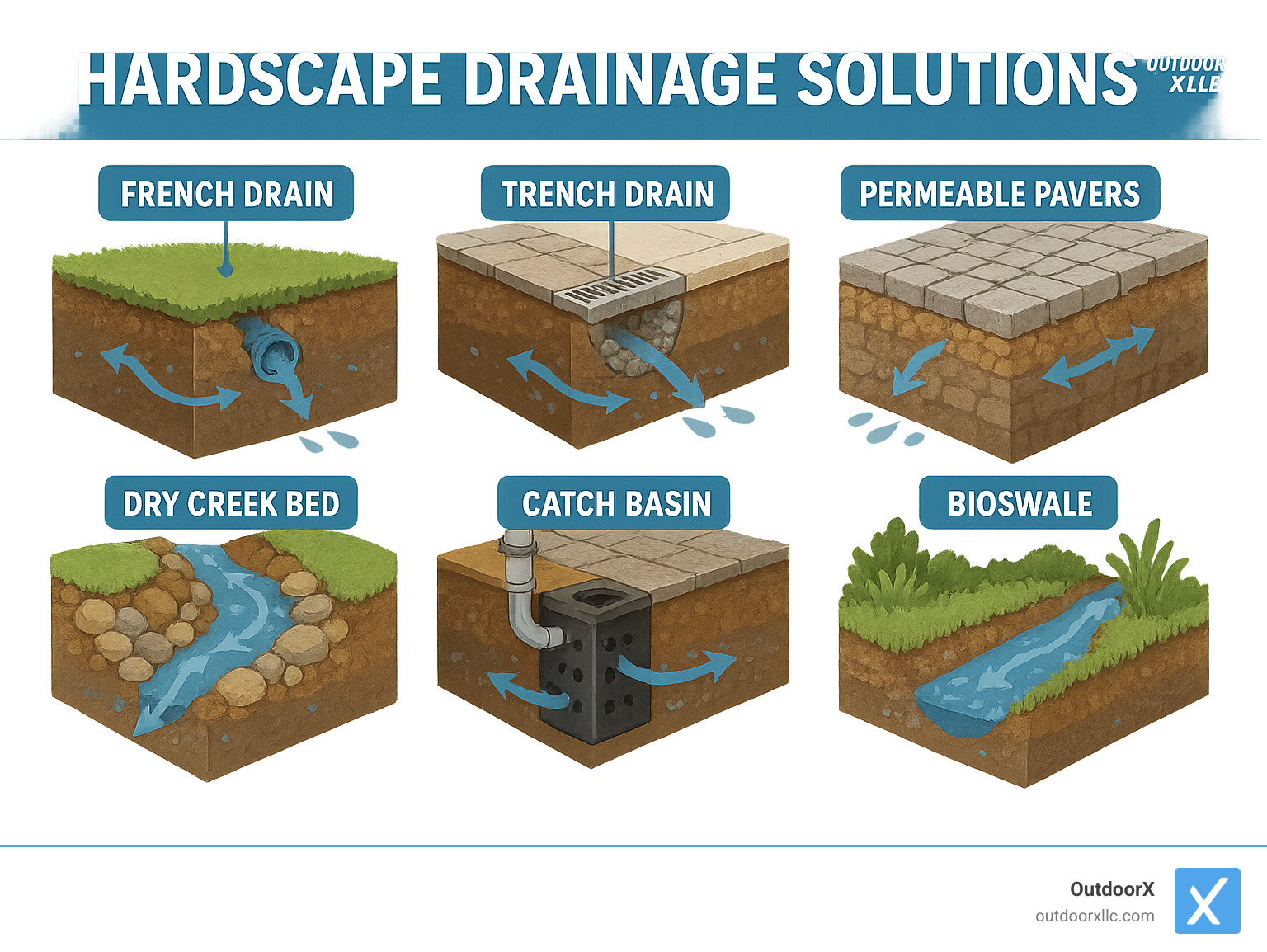
For quick reference, here are the most effective hardscape drainage solutions:
- French drains – Underground perforated pipes surrounded by gravel that collect and redirect subsurface water
- Trench/slot drains – Linear surface channels with grates that capture runoff water
- Permeable pavers – Porous hardscape materials that allow water to infiltrate into the ground
- Dry creek beds – Decorative rock-lined channels that direct surface water flow
- Catch basins – Underground chambers that collect water from downspouts and surface drains
- Dry wells – Gravel-filled pits that collect water and allow it to slowly percolate into soil
- Bioswales – Vegetated channels designed to filter and direct stormwater runoff
When standing water pools on your driveway, patio turns into a mini-lake after rain, or your foundation shows signs of water damage, it’s time to consider proper drainage solutions.
Water is both essential for your landscape and potentially destructive to your hardscape investments. Without proper drainage, that beautiful paver patio or neat stone walkway can quickly become damaged, unsafe, and unsightly.
Why is this important? Standing water in your yard isn’t just an eyesore—it can lead to reduced property value, structural damage to your home’s foundation, and create breeding grounds for mosquitoes and other pests. The good news is that with the right hardscape drainage solution, you can protect your property investment while enhancing both function and aesthetics of your outdoor living space.
According to research, properly grading the site to slope away from the house is the first and most effective step in preventing drainage issues. For more substantial problems, French drains are considered the best solution for water pooling in large areas, while permeable pavers can significantly reduce dependence on storm sewers and decrease pollutants in water runoff.
Terms related to Hardscape drainage solutions:
– Backyard lighting design
– Outdoor stone sculptures
– Water feature installations
Why Proper Hardscape Drainage Is Critical
Let’s face it—water can be both your landscape’s best friend and your hardscape’s worst enemy. Here in Essex County, where we experience everything from gentle spring showers to summer downpours that feel like someone turned on a fire hose, hardscape drainage solutions aren’t just a nice addition to your property—they’re absolutely essential.
Water that wanders where it shouldn’t can cause all sorts of headaches for homeowners. Think of proper drainage as the unsung hero of your outdoor space—you might not notice it when it’s working well, but you’ll certainly notice the problems when it’s absent!
Your home’s foundation is particularly vulnerable to water damage. When rainwater pools around your foundation instead of draining away, it can slowly but surely create cracks, cause settling, and even lead to basement flooding. I’ve seen Essex County homeowners face repair bills in the thousands because water wasn’t properly directed away from their homes.
The soil around your beautiful landscape beds isn’t immune either. Without proper drainage, erosion can wash away the very ground your plants depend on, exposing roots and gradually undermining those gorgeous patios and walkways you’ve invested in.
Safety concerns become very real when water collects on walking surfaces. A slippery walkway might send family members or guests tumbling, especially during our Massachusetts winters when that innocent-looking puddle transforms into a treacherous ice patch overnight.
“I used to think those wet spots in my yard were just part of living in New England,” one of our Ipswich clients told me recently. “Then my neighbor’s appraiser knocked $15,000 off their home value specifically because of drainage issues. That was my wake-up call!”
Beyond personal safety and property value, many towns in Essex County now have stormwater compliance regulations that homeowners must follow. These rules are designed to manage runoff and protect local waterways from pollution.
The silent troublemaker in all this is something called hydrostatic pressure—essentially the force that water exerts when it builds up in the soil around structures. This pressure can literally push against foundation walls and retaining walls, causing them to crack or fail over time. It’s like having thousands of tiny fingers constantly pushing against your home’s foundation.
According to industry research, “Standing water in the yard, soil erosion, or bare spots where sod no longer grows are key indicators of drainage problems, which can significantly impact both property value and structural integrity if left unaddressed.”
Your property’s unique characteristics play a huge role in determining what hardscape drainage solutions will work best:
- The natural site grading of your property directs where water wants to flow
- Your soil type matters tremendously—clay soils hold water like a bathtub while sandy soils drain more quickly
- Rainfall intensity in our region can overwhelm basic drainage systems during heavy storms
- Your existing hardscape materials affect drainage too—traditional concrete, asphalt, and pavers tend to shed water rather than absorb it
Telltale Signs You Need Help
How do you know if your property is silently screaming for better drainage? Look for these warning signs:
Standing water that hangs around for more than a day after rainfall is like an uninvited guest who won’t leave—and it’s a clear indicator that something’s wrong. Those bare spots in your lawn where grass struggles to grow? That’s likely oversaturated soil suffocating the roots.
Pay attention to slick pavers or walkways that stay wet long after the rain stops. This isn’t just annoying—it’s potentially dangerous. And if you’re noticing mildew or moss growth on your hardscape surfaces, that’s excess moisture making itself at home.
Perhaps most concerning are settling decks or patios. When you notice that your once-level outdoor living space now has dips or slants, that’s often a sign that soil is eroding underneath due to poor drainage.
One Marblehead homeowner shared this cautionary tale: “We ignored that wet corner of our backyard for years, thinking it was just how our property was. By the time we realized it was causing our foundation to crack, we were looking at a $15,000 repair. The drainage solution would have cost a fraction of that if we’d addressed it sooner.”
Water issues rarely resolve themselves—and they almost always get worse (and more expensive) over time. The good news? With the right hardscape drainage solutions, your outdoor space can handle whatever weather comes its way, protecting your property investment for years to come.
French Drains: Hardscape Drainage Solutions Underground
When it comes to battling subsurface water issues, French drains are the unsung heroes of hardscape drainage solutions. These underground systems quietly work 24/7 to intercept and redirect water before it can turn your beautiful yard into a swampy mess.
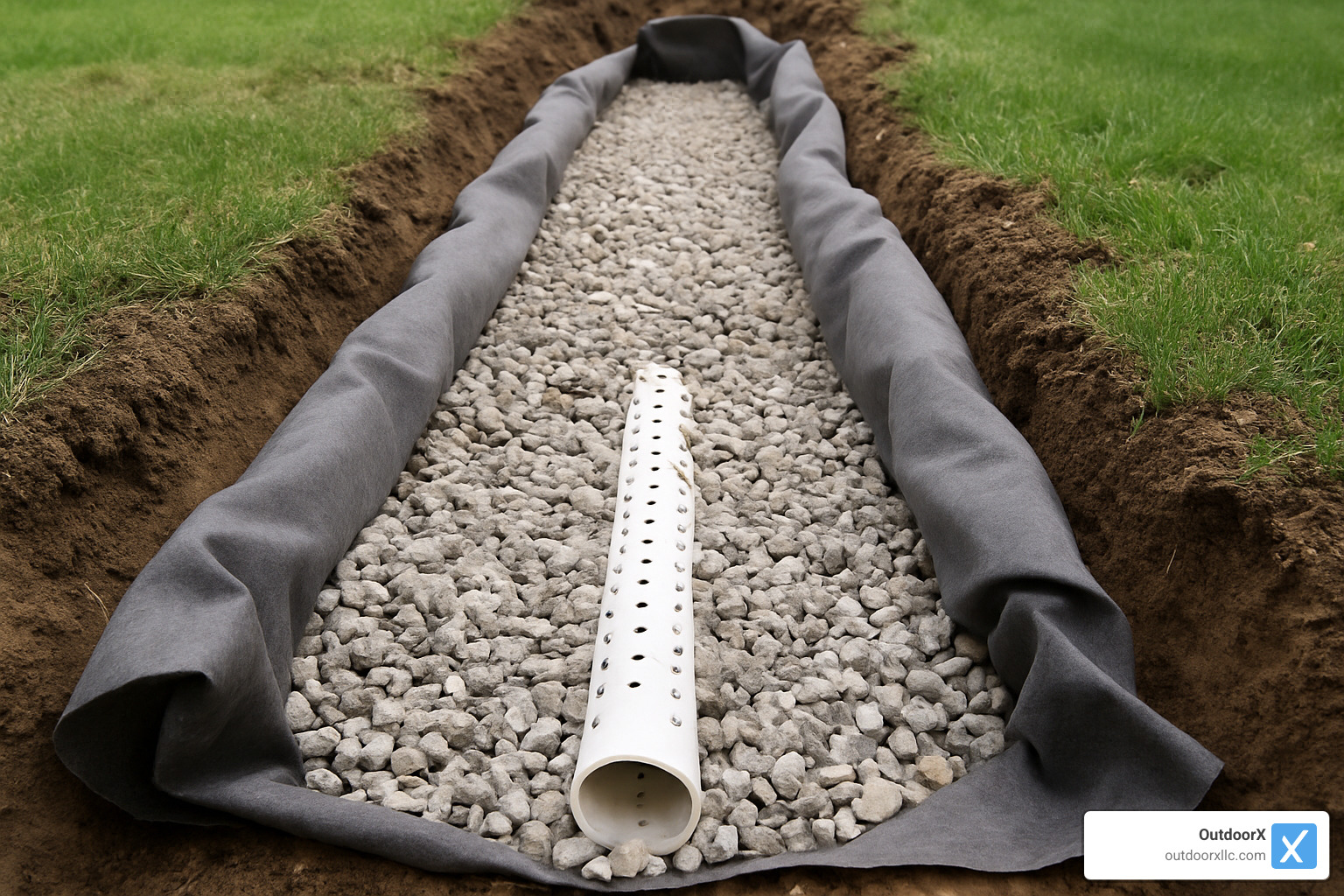
Think of a French drain as an underground highway for water. While you’re enjoying your outdoor space above, there’s a whole water management system working beneath your feet. A properly installed French drain consists of three key components working together: a perforated pipe (usually 4-inch diameter PVC with holes or slots) that collects water, a gravel envelope of clean, washed stone surrounding the pipe that helps water flow freely, and geotextile fabric that acts like a bouncer at an exclusive club – letting water in while keeping soil particles out.
Water always follows the path of least resistance (don’t we all?). Rather than pushing against your foundation or turning your yard into a duck pond, water naturally flows into the perforated pipe, which then escorts it away to a more appropriate location like a dry well, rain garden, or street drain.
For French drains to work their magic, professionals follow the “1% rule” – ensuring a minimum slope of one inch drop for every 10 feet of pipe. This gentle decline is just enough to keep water moving through the system rather than hanging around inside the pipe.
Here in Essex County, where clay soils are common, French drains are particularly valuable. Clay soil holds water like a sponge, creating soggy conditions that can wreak havoc on hardscapes and foundations. A well-designed French drain creates an escape route for this trapped water.
Want to learn more about protecting your patio specifically? Check out our detailed guide on French drains around patios.
How Hardscape Drainage Solutions Stop Foundation Flooding
Your home’s foundation is like the roots of a tree – damage it, and everything above is at risk. Hardscape drainage solutions like French drains offer specialized protection for this critical area:
French drains create a capillary break around your foundation – essentially a gravel-filled trench that interrupts water’s natural tendency to creep toward your foundation walls. Professional installers ensure these drains sit at or below your foundation footer level, catching water before it can pool around these crucial structural elements.
For homes with existing basement water issues, French drains can connect to sump pump systems, creating a comprehensive water management solution that works in harmony. And proper installation always includes minimum 6-inch soil cover above the drain – enough to protect the system while allowing it to function perfectly.
A client in Ipswich recently told us: “After installing a French drain around our foundation, we finally have a dry basement. Even during those crazy spring storms, not a drop gets through. Should have done this years ago!”
Pros & Cons
Like any drainage solution, French drains have their strengths and limitations:
French drains offer high capacity water management, making them ideal for properties with significant subsurface water issues. Once installed, they’re completely hidden from view, preserving your landscape’s beauty. When properly installed, these systems are long-lasting, often functioning for decades with minimal maintenance. They’re also incredibly versatile, working effectively around foundations, behind retaining walls, or in chronically wet yard areas.
On the flip side, installation is labor intensive, requiring significant excavation that temporarily disrupts your landscape. Without proper filter fabric, they can experience potential clogging over time. They typically cost more than some surface drainage options, and installation will cause some temporary disruption to your existing landscape.
For many Essex County homeowners, however, the long-term benefits of dry foundations and usable outdoor spaces make French drains well worth the investment.
Trench & Slot Drains: Linear Surface Defense
When rainwater starts pooling on your beautiful patio or driveway, trench and slot drains become your hardscape’s best friends. These sleek, linear systems act like defensive lines, quickly capturing surface water before it can cause damage or create hazardous puddles.
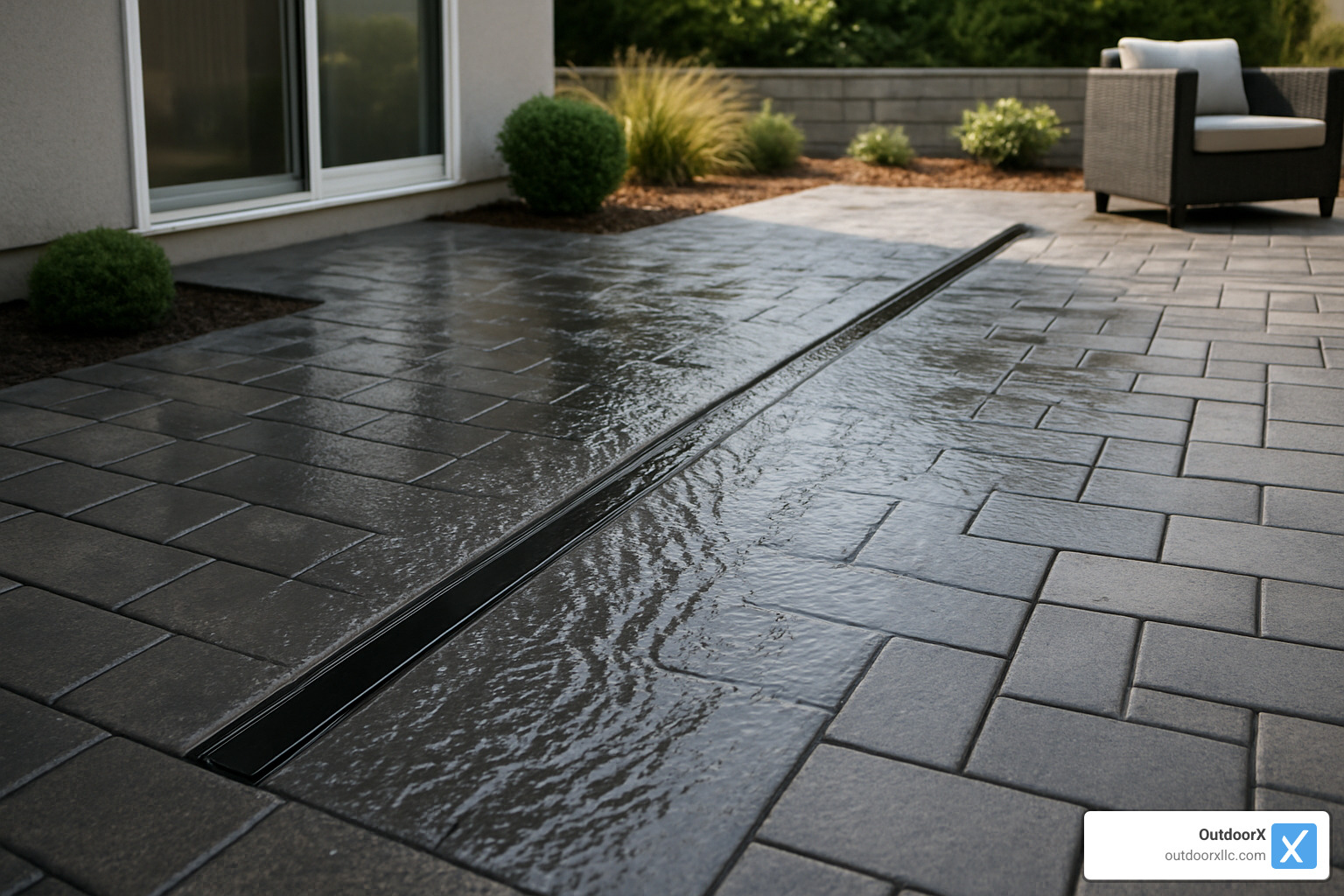
Traditional trench drains feature visible grates that come in various materials—from practical cast iron to neat stainless steel or budget-friendly plastic. These sit atop a channel body (typically made of concrete or polymer materials) that creates a gentle slope to guide water away. The whole system then connects to existing drainage or directs water to appropriate discharge points.
For homeowners who prefer a more discreet look, slot drains offer a nearly invisible solution. With just a narrow opening (typically half an inch wide) that blends seamlessly with surrounding materials, these systems hide their water-collecting channels below the surface. As one of our South Hamilton clients put it, “I didn’t want my drainage to be the first thing people noticed about my new patio—the slot drain OutdoorX installed is practically invisible but handles even the heaviest downpours.”
Hardscape drainage solutions like these shine in specific areas where water tends to collect:
- Pool decks where puddles create slip hazards
- Driveways catching runoff from roofs and yards
- Patios needing protection from water damage
- Walkways that should remain safe and dry
You can explore more specialized options for different applications at Landscape Drains’ trench drain collection.
Design Tips for High-Traffic Hardscape Drainage Solutions
When installing drains in areas with regular foot or vehicle traffic, a thoughtful approach makes all the difference. Load rating is crucial—the system you choose for a garden path won’t hold up under the weight of your SUV in the driveway.
Grate aesthetics matter too. We’ve helped many Essex County homeowners select decorative patterns that actually improve their overall hardscape design rather than looking like an afterthought.
Don’t forget about maintenance access—incorporating catch basins at key points makes cleaning much simpler. And always ensure proper sizing for your specific needs. We’ve seen too many DIY installations that couldn’t handle our New England spring downpours.
“The transition point where our paver patio met the lawn was always a mess after rain,” shared one of our Ipswich clients. “The decorative bronze trench drain OutdoorX installed not only solved the problem but actually looks like it was always meant to be part of the design.”
Pros & Cons
Trench and slot drains offer significant benefits. They provide instant runoff capture, preventing water from pooling on surfaces where it could cause damage. Most systems feature removable grates for easy cleaning and maintenance. Today’s options are also surprisingly attractive, with designs that complement rather than detract from your outdoor space.
However, these systems aren’t without drawbacks. Decorative grates can be costly, especially for larger areas or higher load ratings. In our New England climate, freeze-thaw cycles can damage improperly installed systems. They also require more regular maintenance than some subsurface options to prevent leaves and debris from causing clogs. And while slot drains are quite discreet, traditional trench drains remain more visible than completely hidden options like French drains.
For many of our clients throughout Essex County, the immediate surface water management that these systems provide makes them well worth these considerations—especially when thoughtfully integrated into an overall drainage plan.
Permeable Pavers & Gravel: Let Water In
Rather than fighting against water by diverting it elsewhere, permeable pavers and gravel surfaces work harmoniously with nature. These innovative hardscape drainage solutions transform what would typically be water-repelling surfaces into natural filtration systems that allow rainwater to seep right through into the ground below.
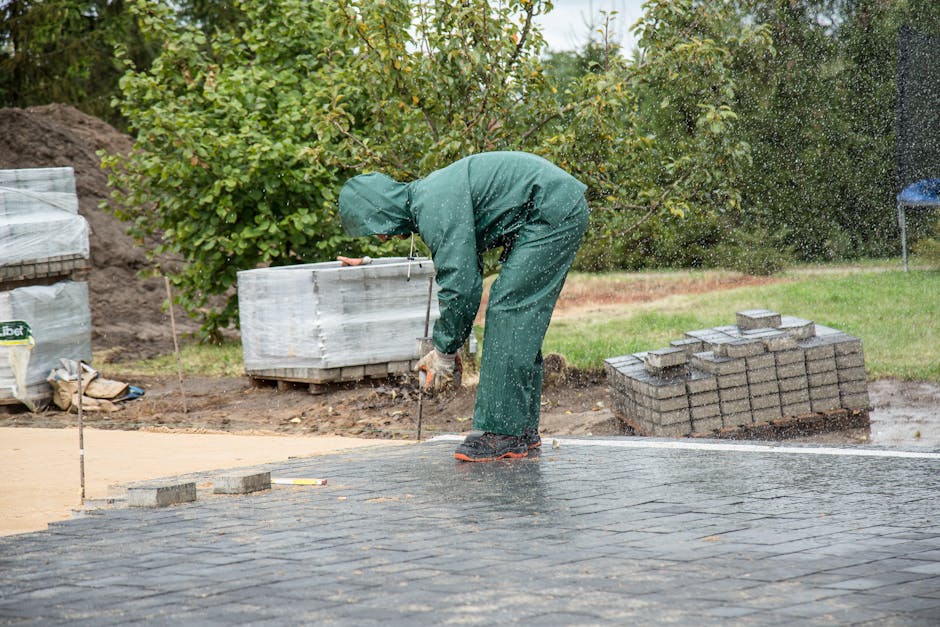
When we install permeable systems at OutdoorX, we’re essentially creating a sandwich of materials designed to manage water naturally. The top layer consists of specially designed porous blocks with wider-than-normal joints. These joints get filled with small, clean gravel that creates channels for water to flow through. Beneath this sits a bedding layer of fine gravel supporting the pavers while allowing water passage. The foundation of the system is a deeper infiltration bed of larger crushed stone that temporarily stores rainwater as it gradually seeps into the soil below.
“My driveway used to turn into a small pond after every rainstorm,” shares one of our Manchester-by-the-Sea clients. “Since OutdoorX installed permeable pavers, even the heaviest downpours disappear like magic. Plus, it looks a hundred times better than my old cracked concrete!”
The environmental benefits extend far beyond your property line. Permeable systems reduce the burden on municipal storm sewers and naturally filter out pollutants before they reach our local Essex County waterways. This eco-friendly approach can even earn LEED credits for sustainable building projects and helps reduce the heat island effect that makes traditional pavement so scorching in summer.
More info about Patio Design & Installation
If you’re weighing your options, this comparison might help:
| Feature | Permeable Pavers | Traditional Concrete | Asphalt |
|---|---|---|---|
| Cost Range | $15-45 per sq ft* | $6-15 per sq ft* | $3-12 per sq ft* |
| Load Capacity | High (with proper base) | Very High | High |
| Maintenance | Joint cleaning, occasional replacement | Sealing, crack repair | Sealcoating, patching |
| Infiltration Rate | 300+ inches/hour | 0 inches/hour | 0 inches/hour |
| Lifespan | 25-50+ years | 25-30 years | 15-20 years |
*Average internet figures, not OutdoorX pricing
Hardscape Drainage Solutions That Double as Design Features
What makes permeable systems particularly appealing is how they blend function with beauty. Unlike utilitarian drainage solutions that hide away underground, these systems improve your property’s appearance while solving moisture problems.
The design possibilities are virtually endless. We offer colorful pavers in countless hues and textures that complement your home’s architecture – from traditional reds and grays to more contemporary blues and mixed-tone options. The pattern flexibility adds another dimension of customization. Whether you prefer the classic elegance of herringbone, the casual charm of basket weave, or the simplicity of running bond, we can create a look that’s uniquely yours.
For more natural settings, rustic gravel paths offer excellent drainage while creating an informal, countryside feel. “The crushed stone pathway OutdoorX designed for our garden not only solved our muddy walkway problems but also makes the space feel like an English cottage garden,” explains our client in Ipswich. “It crunches pleasantly underfoot and never has puddles, even after the heaviest rain.”
Pros & Cons
Like any solution, permeable systems have their strengths and limitations. On the plus side, they excel at pollutant filtering, capturing oils and debris from vehicles before they enter the groundwater. The aesthetic range is best, with design options to complement any landscape style from colonial to contemporary. By encouraging water to enter the ground where it falls, they significantly reduce runoff that would otherwise overwhelm municipal systems during storms.
There’s even a winter benefit many homeowners don’t consider – permeable surfaces tend to form less ice because water doesn’t pool on the surface.
However, these systems do require some extra sweeping and occasional cleaning to maintain their permeability. They typically have a higher upfront cost than traditional hardscapes, though this often balances out with longer lifespan and fewer drainage problems. Installation requires specialized expertise to function properly – this isn’t typically a DIY project. Finally, while they work wonderfully in many settings, they may need additional engineering in areas with extremely heavy clay soils like some parts of Essex County.
When properly designed and installed by experienced professionals like our team at OutdoorX, permeable pavers and gravel systems provide decades of trouble-free drainage while enhancing your property’s beauty and value.
Dry Creek Beds & Bioswales: Nature-Inspired Hardscape Drainage
When it comes to blending beauty with function, few hardscape drainage solutions rival the natural charm of dry creek beds and bioswales. These landscape features work with Mother Nature rather than against her, channeling water while creating eye-catching focal points in your Essex County yard.
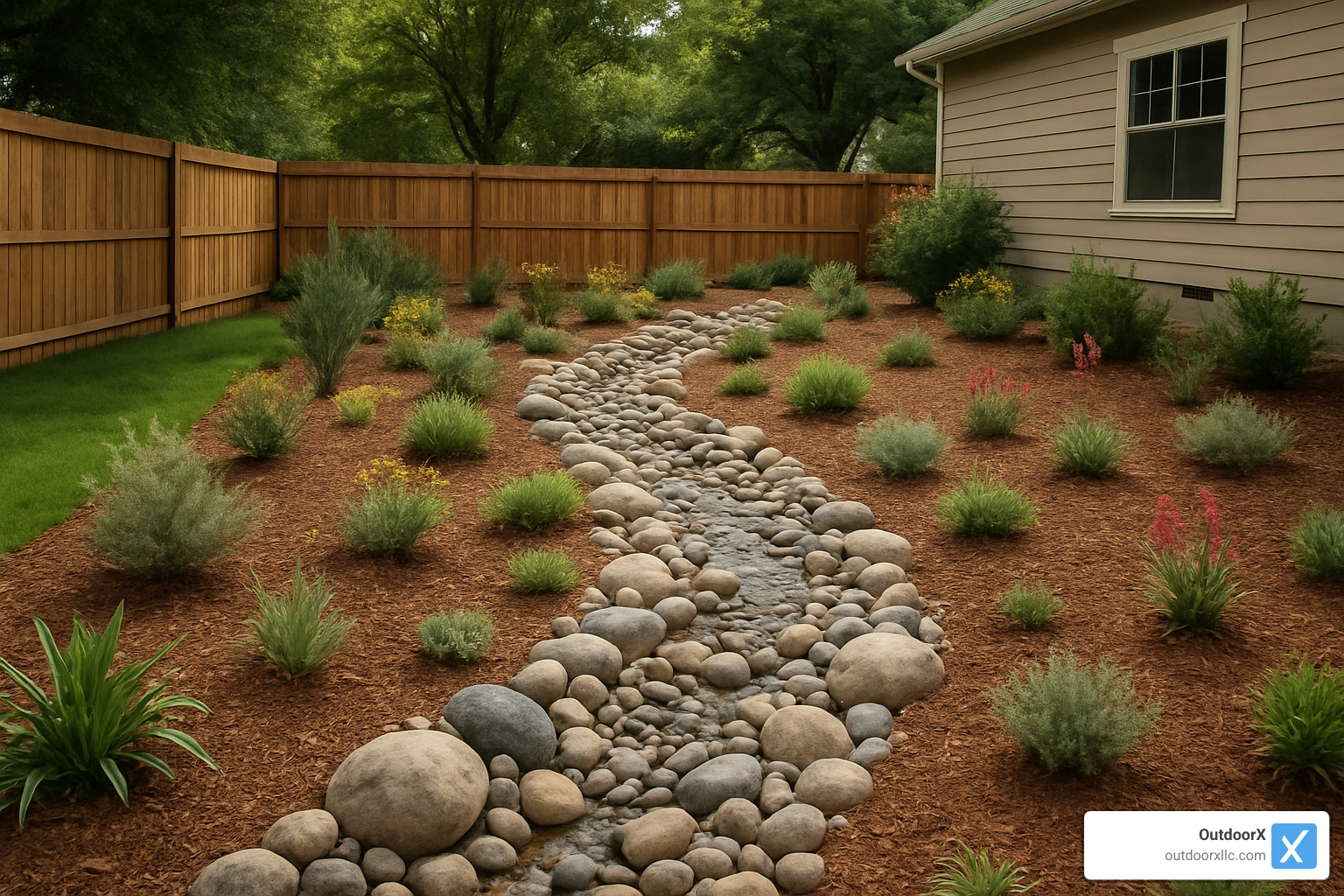
A well-designed dry creek bed transforms what could be a soggy problem area into a landscape highlight. Using decorative river rock of varying sizes creates that authentic streambed look, while the meandering channel mimics the natural path water would take. The best part? These features look beautiful year-round, whether they’re actively channeling rainfall or sitting dry under the summer sun.
“We installed a dry creek bed for a Manchester-by-the-Sea client whose backyard would turn into a mud pit after every rain,” shares one of our OutdoorX designers. “Now they have this gorgeous rocky stream feature that not only keeps their yard dry but has become their favorite garden element.”
Beyond just moving water, these features create wildlife habitat where beneficial insects, small creatures, and birds can find shelter and food. They’re also perfect companions to xeriscape elements in drought-tolerant landscape designs, adding visual interest without increasing water needs.
Building a Bioswale for Hardscape Drainage Solutions
Taking the natural approach one step further, bioswales incorporate carefully selected plants to create living drainage systems. Think of them as dry creek beds with an ecological upgrade.
“My bioswale has completely transformed our property’s drainage,” explains one of our Ipswich clients. “Before, water would rush down our sloped yard and pool near the house. Now it gets captured, filtered, and absorbed by the plants—and it looks gorgeous doing it!”
The heart of an effective bioswale is its vegetated slope, typically featuring native plants with deep root systems that can handle both soggy conditions and dry spells. We recommend designing with a gentle 2% grade—just enough to keep water moving without causing erosion.
For properties with heavy clay soil or where extra protection is needed, we sometimes add a clay liner to prevent water from percolating too quickly through the system. And because Mother Nature occasionally overdoes it with rainfall, a well-designed overflow spillway ensures that even during downpours, excess water has a controlled exit path.
Bioswales shine on Essex County properties with natural slopes or where runoff tends to concentrate. They’re particularly valuable for homes near wetlands or waterways, as they naturally filter out oils, fertilizers, and other pollutants before they can reach our precious natural resources.
Pros & Cons
The advantages of these natural drainage solutions are substantial. They’re genuinely eye-catching features that improve your landscape rather than just solving a problem. Their low-tech nature means no mechanical parts to fail, and they create valuable habitat for local wildlife while naturally reducing pollution in runoff.
However, they’re not perfect for every situation. These solutions tend to be space hungry, requiring more room than some more compact drainage options. They do require some seasonal maintenance like clearing debris and occasional plant care. During extreme weather events, they may have limited capacity compared to engineered systems. And there’s an establishment period while plants mature and develop their full effectiveness.
“For homeowners who value both ecological benefits and aesthetic appeal, dry creek beds and bioswales offer the best of both worlds,” notes our OutdoorX landscape architect. “They solve drainage problems while creating something beautiful that connects your property to the natural world.”
Catch Basins & Dry Wells: Hidden Helpers
While some hardscape drainage solutions make bold design statements in your landscape, catch basins and dry wells work their magic beneath the surface. These unsung heroes of water management quietly collect, store, and disperse water underground—keeping your property dry without disrupting its beauty.
Think of catch basins as the silent workhorses of your drainage system. They feature a surface-level grate inlet that collects water from your hardscapes, an underground chamber that temporarily holds this water while allowing debris to settle, and outlet pipes that direct the captured water to appropriate discharge points.
Dry wells, their natural companions, consist of an underground chamber (either pre-fabricated or simply a stone-filled pit), perforated sides that allow water to slowly seep into surrounding soil, and inlet connections that receive water from downspouts, drains, or catch basins.
“Dry wells are highly effective at managing large volumes of water,” states a recent drainage industry report. “They’re an excellent choice for areas prone to heavy rainfall or poor drainage, and they promote groundwater recharge by allowing water to percolate into the soil.”
These systems truly shine when connecting other drainage components together. They excel at capturing roof runoff from downspouts, receiving water from French drains or trench drains, and managing overflow from rain gardens or bioswales. It’s like they’re the central hub of your property’s water management network!
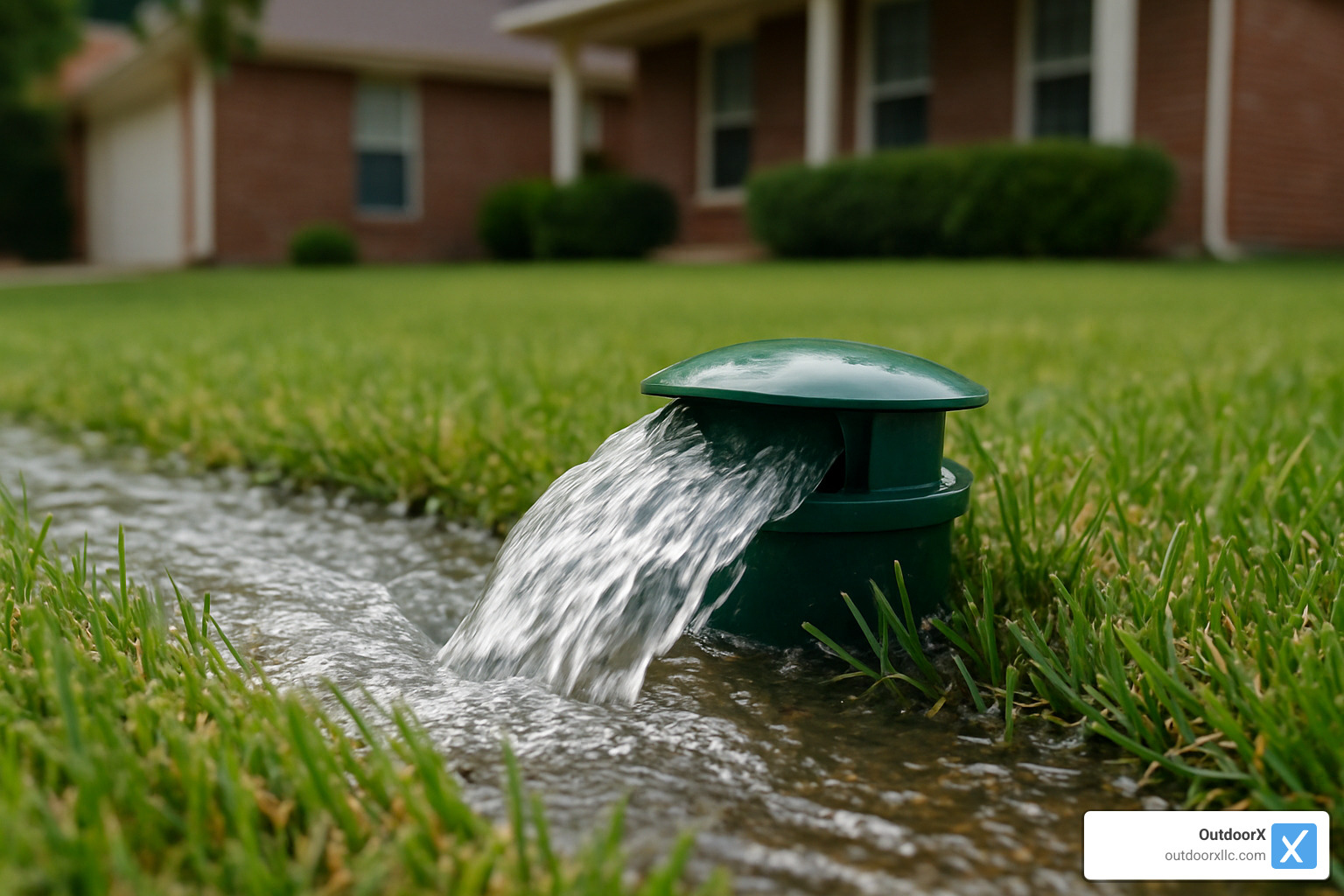
One of my favorite innovations that pairs beautifully with these systems is the pop-up emitter. This clever little device remains flush with your lawn until water pressure builds up enough to pop it open, releasing water safely onto the surface in an area far from structures. Our Essex County clients are always delighted by how these unassuming devices protect their properties while remaining virtually invisible until needed.
More info about Retaining Walls
Sizing Catch Basins for Hardscape Drainage Solutions
Getting the size right is absolutely critical for effective catch basin and dry well performance. At OutdoorX, we follow a methodical approach to ensure your system can handle whatever Mother Nature throws at it.
First, we calculate your roof area, measuring precisely which portion drains to each downspout. We follow what we call the “1 inch = 600 gallons rule”—for every inch of rain falling on 1,000 square feet of roof, approximately 600 gallons of water must be managed. Most residential applications work well with 4-inch solid pipe outflow, ensuring adequate capacity to move that water away.
To put this in perspective, imagine a 2,000 square foot section of your roof during a modest 1-inch rainstorm. That single rainfall event generates about 1,200 gallons of water! Your catch basin and associated dry well must be properly sized to handle this volume, with smart overflow provisions for those inevitable nor’easters that blow through Essex County.
“We never guess when it comes to sizing,” explains our drainage specialist in Gloucester. “We carefully calculate the watershed area and expected rainfall intensity to ensure your system can manage the water volume without backing up. It’s the difference between a system that works occasionally and one you can truly count on.”
Pros & Cons
Like any drainage solution, catch basins and dry wells come with their own set of advantages and considerations.
On the plus side, these systems handle burst rainfall beautifully, providing capacity for those intense summer thunderstorms that seem to dump a month’s worth of rain in an hour. Once installed, they’re practically invisible—no disruption to your carefully designed landscape. They contribute to groundwater recharge by returning water to the local aquifer rather than sending it to storm sewers. And they play well with others, integrating seamlessly with various drainage components you might already have.
That said, installation requires significant excavation—there’s no getting around the digging. Catch basins need periodic debris removal to prevent clogging (though this maintenance is fairly simple). In properties with tight spaces or numerous existing structures, finding room for proper installation can be challenging. And like many drainage solutions, performance varies depending on your soil’s natural percolation rates.
At OutdoorX, we’ve installed countless catch basins and dry wells throughout Essex County, from sandy coastal soils in Manchester-by-the-Sea to the dense clay areas inland. We know how to tailor these systems to your specific property conditions for maximum effectiveness and minimal maintenance.
Designing & Choosing the Right Hardscape Drainage Solution
Selecting the ideal hardscape drainage solution for your property isn’t a one-size-fits-all decision. It’s a bit like choosing the right tool for a job—you need to match the solution to your specific challenges. At OutdoorX, we take time to understand your unique property before recommending the best approach.
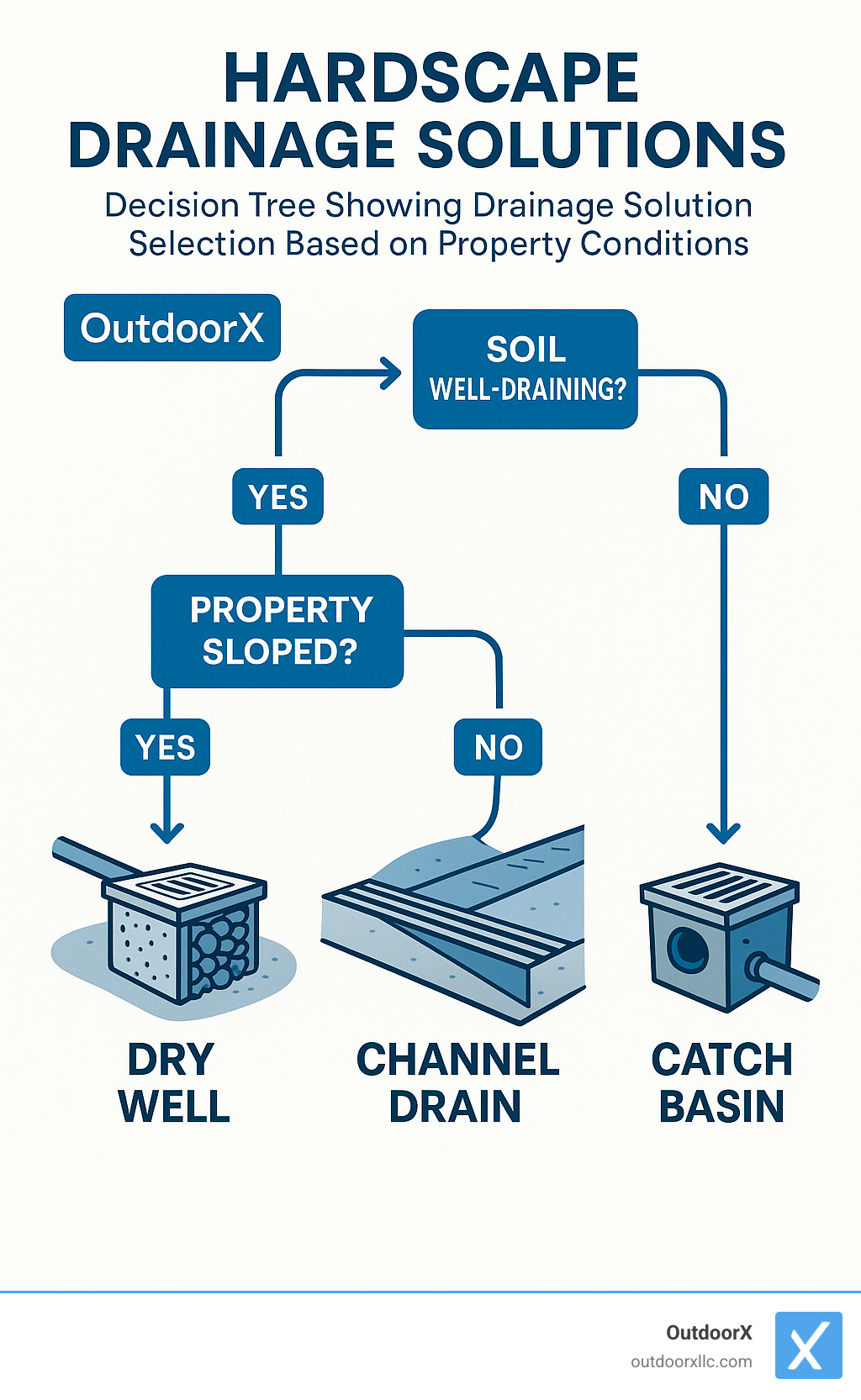
When we visit a property in Essex County, we’re looking at several key factors that will influence which drainage solution will work best for you.
First, we examine your soil percolation rate—essentially how quickly water moves through your soil. Sandy soils drain quickly, while clay holds water like a sponge. We conduct simple tests to determine exactly what we’re working with on your property.
The natural slope and topography of your yard tells us a story about where water wants to go. Even subtle changes in elevation can dramatically impact how water flows across your property. Sometimes what looks like a flat yard to the naked eye actually has enough slope to work with when measured properly.
Here in Massachusetts, we’re no strangers to rain and snow. We analyze local rainfall data to understand both the average precipitation you’ll face and those occasional downpours that can overwhelm basic drainage systems.
Of course, budget considerations matter too. Based on internet research, installation costs for drainage solutions typically range from $8–$45+ per foot depending on the system type and complexity. (These are average internet figures, not OutdoorX pricing.) We’ll help you understand the investment required for different options.
“We had a client in Manchester-by-the-Sea who was convinced they needed an elaborate French drain system,” recalls our lead designer. “After assessing their property, we realized a simple dry creek bed would not only solve their problem but also add a beautiful landscape feature—at half the cost.”
Your aesthetic preferences play a huge role too. Some of our clients in Ipswich and Gloucester prefer drainage solutions that disappear into the landscape, while others in Beverly and Salem accept visible elements like decorative dry creek beds that add character to their yards.
We’ll also steer the sometimes tricky waters of permitting requirements. Many towns in Essex County have specific regulations about stormwater management, especially properties near wetlands or water bodies. We ensure all solutions meet local codes so you don’t face headaches down the road.
And finally, we’ll have an honest conversation about DIY versus professional installation. While some simpler solutions might be suitable for weekend warriors, most comprehensive drainage systems benefit from professional expertise. There’s nothing worse than investing time and money in a DIY solution only to find it doesn’t solve your problem.
Often, the most effective approach combines multiple solutions working together—perhaps a French drain to manage subsurface water, permeable pavers for your patio, and a decorative dry creek bed to channel surface runoff. This integrated approach provides both redundancy and comprehensive water management.
“The best drainage solutions work with your property’s natural characteristics rather than fighting against them,” explains our team lead at OutdoorX. “We look for ways to harness gravity and existing contours to move water efficiently while enhancing your landscape’s beauty.”
More info about hardscaping services
Maintenance Tips & Common Mistakes to Avoid
Keeping your hardscape drainage solutions working properly isn’t complicated, but it does require some attention. Like any part of your home, a little regular care goes a long way toward preventing bigger problems down the road.
Every fall, I watch my neighbor frantically clearing leaves from his catch basin during a heavy rainstorm while water threatens to back up into his garage. Don’t be that person! A simple annual maintenance routine can keep your drainage system functioning perfectly year after year.
Start with a yearly inspection of your entire drainage system. The best time to do this is actually during or just after a significant rainstorm when you can see exactly how water is moving across your property. Look for areas where water pools instead of flowing away, which might indicate a developing problem.
Leaf removal is particularly crucial if you have surface drains or trench drains. Those beautiful maple trees that provide such wonderful shade in summer can wreak havoc on drainage systems come autumn. Make a habit of clearing leaves and debris from grates and channels before they can cause blockages.
“I tell my clients that drainage maintenance is like dental care—a little prevention beats an expensive emergency every time,” says one of our OutdoorX technicians. “Spending 20 minutes clearing debris each season can prevent thousands in water damage repairs.”
For underground systems like French drains, consider having them professionally jet-washed every 3-5 years. This high-pressure cleaning removes sediment that inevitably accumulates over time. Many homeowners don’t realize their French drain is partially clogged until water starts appearing in places it shouldn’t.
If you’ve installed permeable pavers, regular sweeping is essential to keep the joints between pavers free of debris that can prevent proper drainage. Some homeowners use a leaf blower on a low setting, which can be effective without displacing the gravel in the joints.
When it comes to drainage systems, what you don’t do is often as important as what you do. Over the years, we’ve seen homeowners make the same mistakes repeatedly. Avoiding these common errors can save you significant headaches:
Negative grading is perhaps the most common mistake we see. Always ensure the ground slopes away from your foundation at a minimum of ¼ inch per foot. Even the best drainage system can’t overcome poor grading directing water toward your home.
Skipping filter fabric on French drains might save a few dollars during installation, but it’s a costly error in the long run. Without proper geotextile fabric, soil will inevitably migrate into your drain, eventually clogging it completely.
Undersized outlets create bottlenecks in your system during heavy downpours. This is particularly problematic in New England, where climate change is bringing increasingly intense rainfall events.
Don’t ignore freeze zones when planning your drainage. Here in Essex County, frost can penetrate 30-48 inches deep. Drainage components installed above the frost line can crack or heave during freeze-thaw cycles.
Improper connections, such as linking roof downspouts directly to foundation drains, can overwhelm systems during heavy rain. We often recommend separate systems for roof water and ground water management.
Lastly, always include access points for maintenance in any underground drainage system. Without cleanouts, servicing your system becomes unnecessarily complicated and expensive when problems arise.
A Manchester-by-the-Sea client recently told me: “We thought our drainage problems were solved when we installed a French drain, but we never maintained it. Five years later, we noticed water in the basement again. Your team found the drain completely clogged with silt. The maintenance would have been so much easier and cheaper than the repairs.”
Your drainage system is an investment in protecting your property. A little regular attention ensures it will continue performing as designed for many years to come.
Frequently Asked Questions about Hardscape Drainage Solutions
What professionals design hardscape drainage solutions?
When you’re ready to tackle water issues on your property, several types of experts can help guide the way. Each brings unique skills to your drainage project:
Landscape architects see the big picture—they’ll create a drainage plan that not only works effectively but also improves your property’s overall beauty and function. They’re masters at blending practical solutions with aesthetic appeal.
Civil engineers are the technical problem-solvers who understand water behavior and soil mechanics. If your drainage issues are particularly complex or involve large volumes of water, their specialized knowledge can be invaluable.
Drainage specialists focus exclusively on water management systems. Their hands-on experience with various drainage solutions often translates to practical, efficient recommendations based on what they’ve seen work in similar situations.
Excavation contractors often wear multiple hats, offering both design insight and the heavy equipment skills needed for installation. They’re particularly helpful for subsurface systems requiring significant digging.
Here at OutdoorX, our team combines expertise from these different disciplines, ensuring your hardscape drainage solutions address both the technical challenges and aesthetic opportunities unique to your Essex County property.
How often should I service my hardscape drainage solutions?
Just like your car needs regular oil changes, your drainage system requires consistent maintenance to perform at its best. Here’s a seasonal approach that works well for most Essex County properties:
Spring calls for a thorough inspection of all your drainage components after winter’s freeze-thaw cycles. This is the perfect time to check permeable paver joints and add material where it’s been lost. Your system will be working hard during spring rains, so you want it in top condition.
Summer maintenance is usually lighter—a good time to clean any surface grates and ensure catch basins remain clear of debris. If you have bioswales or rain gardens, summer is when you’ll want to manage plant growth and remove any accumulated sediment.
Fall requires extra vigilance as leaves and organic debris can quickly clog surface drains. We recommend checking grates and channels every few weeks during leaf drop season. This simple step prevents many winter drainage headaches.
Winter preparation should include a final system check before the ground freezes. Consider having French drains professionally flushed every 1-2 years, depending on your property conditions.
“My property has lots of pine trees that drop needles year-round,” shares one of our Ipswich clients. “I’ve learned to check my drain grates monthly rather than quarterly. Those five minutes of maintenance have saved me from the flooded driveway I used to deal with every spring.”
Can hardscape drainage solutions be eco-friendly?
Today’s drainage solutions can do much more than just move water—they can benefit the environment in numerous ways. Many of our Essex County clients are choosing eco-conscious options that look beautiful while treading lightly on the planet.
Permeable surfaces like porous pavers and gravel installations allow rainwater to filter naturally into the ground rather than rushing off into storm drains. This natural infiltration helps replenish groundwater supplies and filters out pollutants that would otherwise end up in local waterways.
Rain gardens filled with native plants create mini-ecosystems that manage water beautifully. One Manchester-by-the-Sea homeowner told us, “The rain garden solved our backyard puddle problem, and now we have goldfinches and butterflies visiting daily. It’s become our favorite spot to watch from the kitchen window.”
Recycled materials are increasingly available for drainage components. From catch basins made from reclaimed plastic to decorative river rock sourced from local quarries, these options reduce the carbon footprint of your drainage system.
Water harvesting through rain barrels or cisterns connected to your downspouts lets you capture what falls from the sky for later use in your garden. This reduces demand on municipal water supplies during dry periods and saves you money on your water bill.
“The best eco-friendly systems work with your property’s natural features,” explains our design specialist. “Sometimes that means preserving existing drainage patterns and enhancing them, rather than fighting against what nature intended for your landscape.”
By choosing environmentally conscious hardscape drainage solutions, you’re not just protecting your property—you’re contributing to the health of Essex County’s watersheds and natural resources for generations to come.
Conclusion
Let’s face it—water can be both a blessing and a challenge for Essex County homeowners. From coastal properties battling salt spray in Gloucester to inland homes in Boxford dealing with spring thaws, effective hardscape drainage solutions aren’t just nice-to-have features—they’re essential protections for your biggest investment.
After helping hundreds of local homeowners solve water problems both simple and complex, we’ve seen how proper drainage transforms outdoor living spaces. A well-designed system does more than just move water away—it improves your property’s beauty, functionality, and value.
Think of drainage as the unsung hero of your landscape—working quietly behind the scenes to prevent costly damage. One Ipswich client told us: “We used to cancel backyard gatherings whenever rain was in the forecast. Now our patio stays dry even during downpours, and we’ve reclaimed our outdoor living space!”
At OutdoorX, our approach combines technical know-how with creative design sensibility. Whether you’re dealing with:
- A perpetually soggy lawn that turns to mud with every rainfall
- A basement that feels more like an indoor pool after storms
- A beautiful new paver patio that needs proper drainage from day one
We design solutions that not only work effectively but complement your property’s unique character. Our South Hamilton team understands the specific challenges of New England’s weather patterns, soils, and regulations—knowledge that only comes from years of local experience.
Addressing water issues proactively is always more cost-effective than repairing damage after it occurs. We’ve seen too many homeowners postpone drainage work only to face much larger foundation or landscape repair bills later.
Ready to solve your water woes once and for all? As Essex County’s drainage experts, we’re here to help with custom solutions that stand the test of time—keeping your outdoor spaces beautiful and bone-dry year-round. From initial design through professional installation and ongoing maintenance, OutdoorX has you covered.
Don’t let another rainy season threaten your property. Contact us today for a drainage consultation and take the first step toward worry-free outdoor living.
More info about hardscaping services
