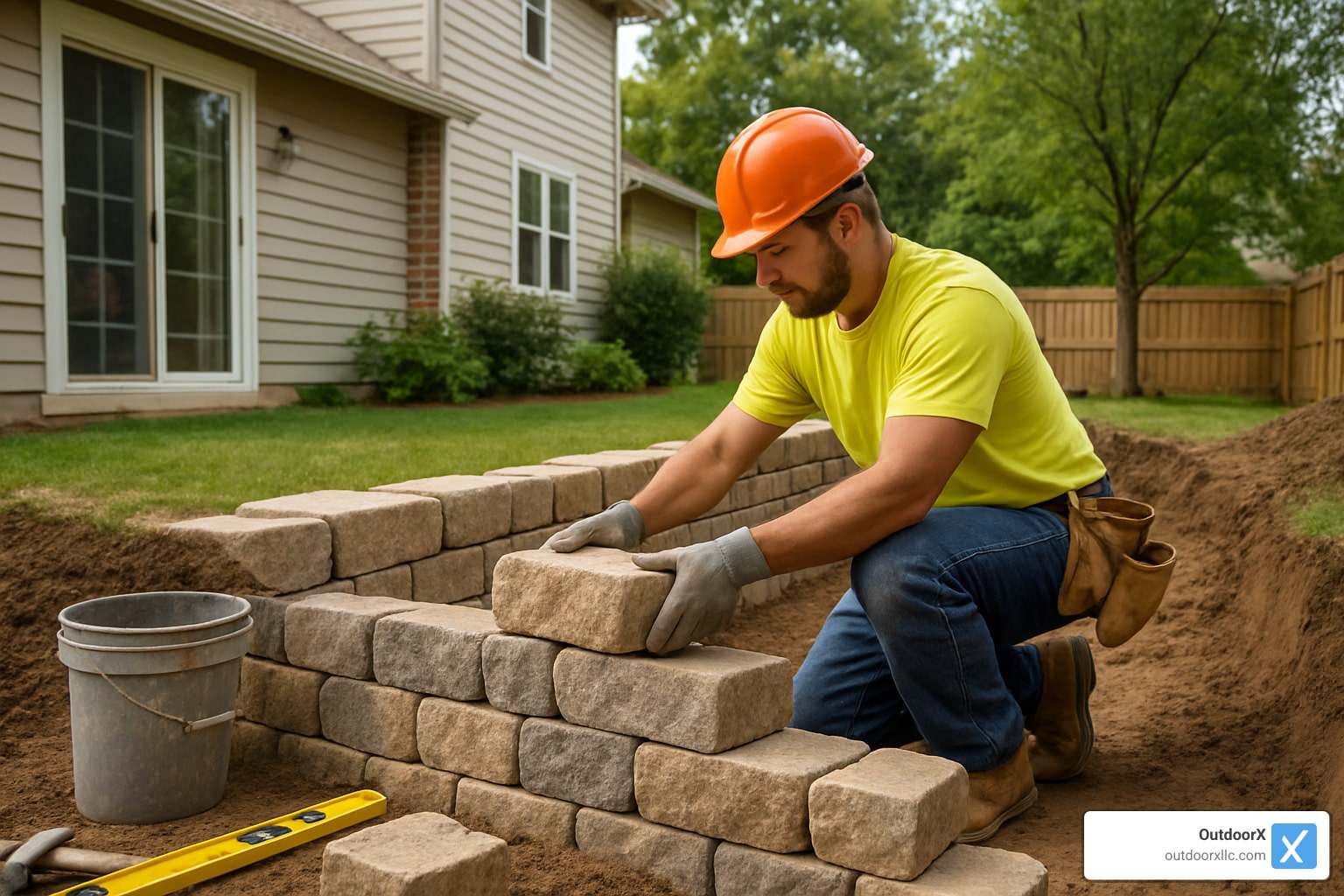
retaining wall contractor near me: 10 Best Expert Choices 2025
Finding the Right Retaining Wall Expert for Your Property
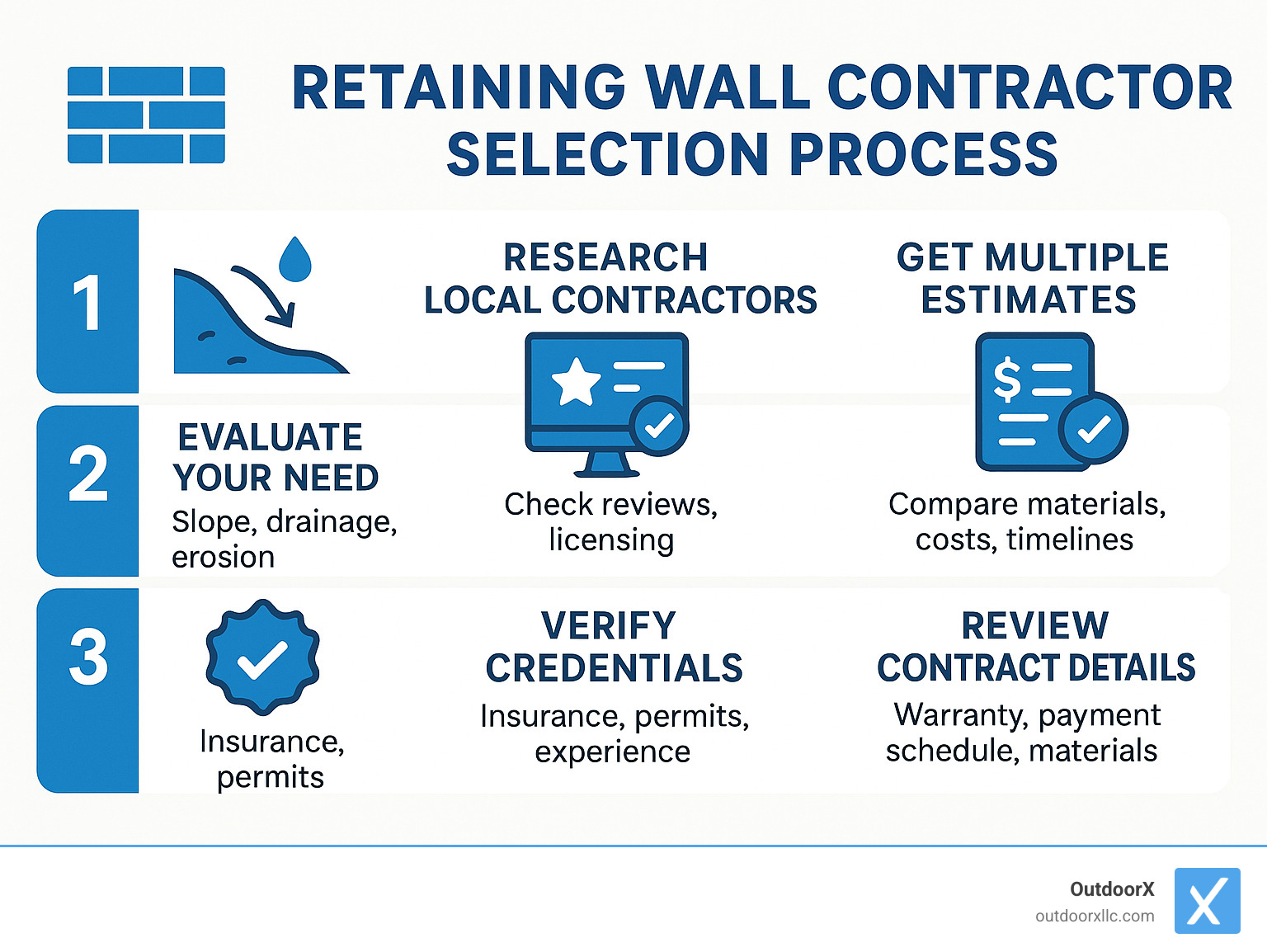
When your property has slopes that need taming or soil that’s starting to shift, finding a retaining wall contractor near me becomes a top priority. But how do you find someone you can trust with such an important structural project?
The search for the right professional doesn’t have to be overwhelming. Start by checking credentials – a reputable contractor will have proper licensing, insurance, and ideally, specialized certifications in retaining wall installation. Next, take time to review their past work by examining portfolios of completed projects, especially ones in your neighborhood that have stood the test of time.
Don’t settle for the first quote you receive. Getting multiple estimates (aim for at least three) gives you a clearer picture of fair pricing and helps you understand different approaches to your project. While you’re at it, make sure to verify references by speaking directly with previous clients about their experience – they’ll tell you what the contractor’s portfolio can’t.
Before signing anything, confirm the timeline from start to finish. A good retaining wall contractor near me will outline exactly what to expect, from obtaining permits to the final inspection.
A local retaining wall expert brings something irreplaceable to your project: regional knowledge. They understand Essex County’s soil conditions, know our local building codes inside and out, and have experience with the specific challenges our New England weather presents. This specialized knowledge means they can design and build structures that not only improve your property’s beauty but effectively manage water flow and soil pressure for decades to come.
Retaining walls do more than just look pretty – they’re workhorses for your property. They prevent costly erosion, transform unusable slopes into functional outdoor spaces, protect your home’s foundation from water damage, and can dramatically improve your outdoor living areas. With proper installation by a qualified local professional, your investment can last anywhere from 20 years to two centuries, depending on materials and maintenance.
“With proper design and construction, stone retaining walls can last anywhere from 50 to 200 years,” notes one industry expert. This isn’t a project where cutting corners pays off – finding the right local contractor is worth every bit of your research time.
Safety becomes a serious concern when slopes reach or exceed a 35-degree angle. Rather than risking a DIY approach, professional contractors bring crucial engineering knowledge, specialized equipment, and installation expertise that ensures your wall will remain stable through seasonal changes, heavy rains, and the passage of time.
When you’re ready to explore your options, understanding some key terms can help your conversations with potential contractors. Our specialized services include Garden retaining wall design for beautiful, functional landscape elements, Retaining wall concrete design for maximum durability, and Retaining wall landscape design that seamlessly integrates structural solutions with your overall outdoor vision.
What Is a Retaining Wall & Why Your Property Might Need One
A retaining wall is a structural solution designed to hold back soil and prevent erosion on sloped landscapes. These walls resist the lateral pressure of soil, creating level areas and managing water runoff. There are several types of retaining walls, each designed for specific applications:
- Gravity walls rely on their own weight and setback to resist soil pressure
- Cantilever walls use a reinforced concrete base shaped like an inverted T to create leverage
- Sheet pile walls are driven into the ground and work well in soft soils
- Reinforced walls incorporate geogrid or other materials to strengthen the structure
The primary purpose of these walls is to combat hydrostatic pressure – the force exerted by water-saturated soil against the wall. Without proper drainage and construction, this pressure can cause walls to fail over time.
As mentioned earlier, slopes at approximately 35 degrees or steeper typically require retaining walls for safety and stability. This threshold isn’t arbitrary – it represents the angle at which most soils begin to become unstable without support.
“A retaining wall is a structure designed to hold back soil and prevent erosion, particularly in sloped areas,” explains industry experts. These walls transform unusable slopes into functional spaces while protecting your property from the damaging effects of erosion and runoff. For more detailed information, you can review scientific research on retaining walls.
How to Evaluate Your Slope & Soil
Before contacting a retaining wall contractor near me, it’s helpful to understand your property’s unique challenges:
- Site survey: Measure the slope gradient using a level and stake. A rise-to-run ratio greater than 1:3 (about 33 degrees) generally indicates a need for a retaining wall.
- Soil type assessment: Clay soils retain more water and exert greater pressure than sandy or loamy soils. Squeeze a handful of moist soil – if it holds together firmly, you likely have clay-heavy soil requiring more robust wall construction.
- Compaction testing: Poorly compacted soil can settle over time, creating additional pressure. A simple test: if you can easily push a screwdriver into the soil several inches, compaction may be inadequate.
- Erosion risk evaluation: Look for existing signs of soil movement such as small landslides, exposed roots, or soil accumulation at the base of the slope.
For properties with significant elevation changes or complex soil conditions, a geotechnical report might be necessary. This professional assessment provides detailed information about soil composition, drainage characteristics, and load-bearing capacity – all critical factors in proper wall design.
“Local contractors’ deep knowledge of soil and environmental conditions can improve wall longevity,” notes one expert. In Essex County, Massachusetts, our team at OutdoorX is familiar with the region’s unique soil conditions and can recommend appropriate solutions based on decades of local experience.
Added Benefits Beyond Erosion Control
While the primary function of retaining walls is practical, they offer numerous aesthetic and lifestyle benefits:
- Creation of outdoor rooms: By terracing a sloped yard, retaining walls create distinct areas for gardens, patios, or play spaces.
- Built-in seating: Many retaining walls are designed at the perfect height (16-20 inches) for casual seating, eliminating the need for additional furniture.
- Improved property value: Well-designed retaining walls can increase your home’s value by improving curb appeal and expanding usable outdoor space.
- Landscape design opportunities: Tiered walls create perfect planting pockets for cascading gardens, while the wall faces themselves become architectural features.
One homeowner in Beverly, MA shared: “After installing our terraced retaining walls, we gained nearly 400 square feet of flat, usable space that was previously an unusable slope. We now have a beautiful patio and garden area that’s become our favorite place to entertain.”
More info about hardscaping services
Types of Retaining Walls & Material Comparisons
Choosing the right type of retaining wall depends on your specific needs, aesthetic preferences, and budget. Here’s a comparison of the most common options:
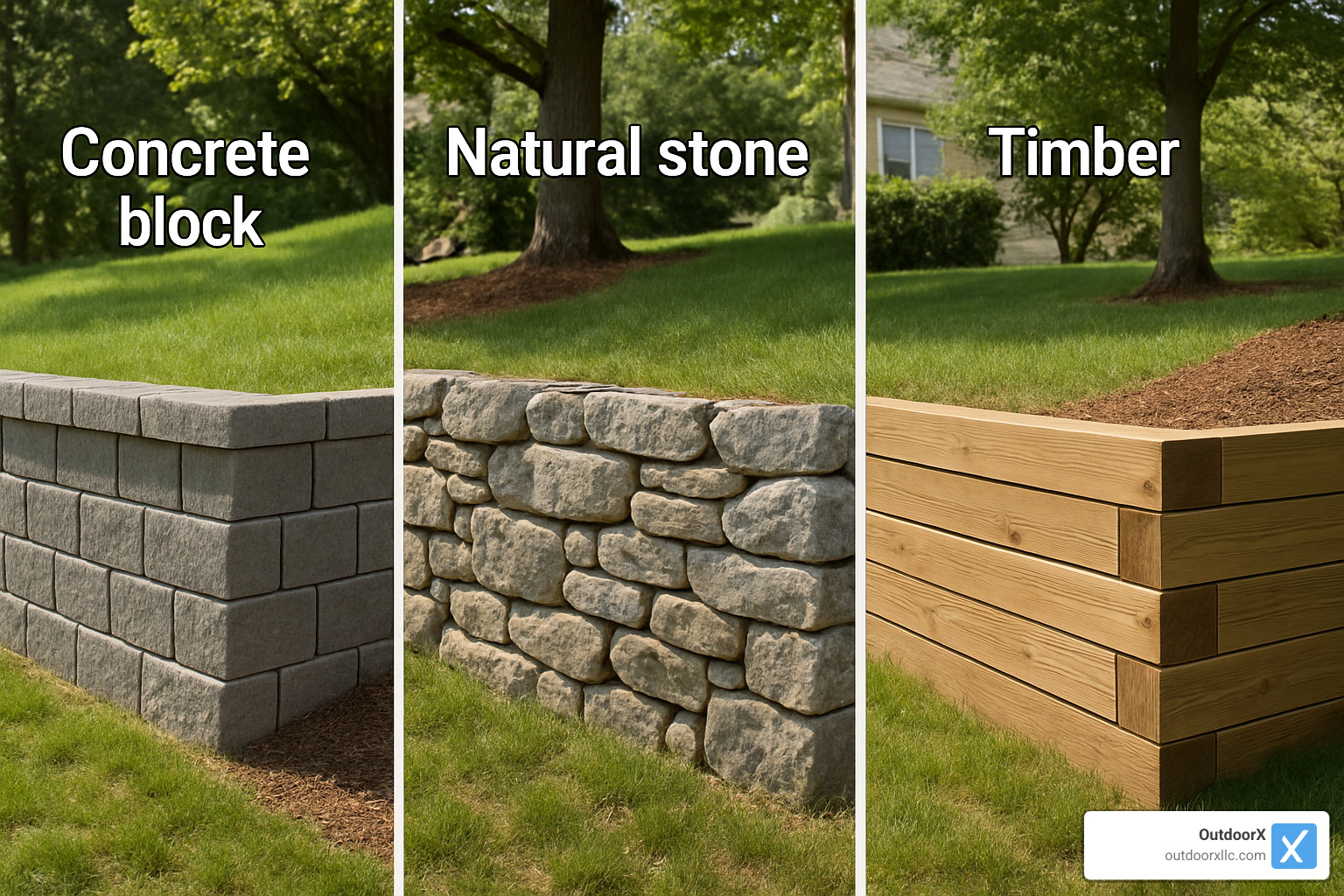
When you’re searching for a retaining wall contractor near me, understanding your material options is essential. Block systems have surged in popularity thanks to their consistency and user-friendly design. These manufactured concrete blocks feature interlocking components that make installation more straightforward while incorporating built-in drainage features. Their versatility allows for beautiful curved designs and clean corners that complement many landscape styles.
Natural stone walls offer a timeless charm that’s hard to beat. Whether you’re drawn to the rustic appeal of fieldstone or the crisp elegance of cut granite, stone walls provide exceptional durability that can truly stand the test of time. Many homeowners appreciate the flexibility of choosing between dry-stacked methods (which allow natural drainage without mortar) or mortared construction for a more formal appearance.
For a more casual, rustic look, timber walls made from pressure-treated lumber or naturally resistant woods like cedar offer an affordable entry point. While they won’t last as long as stone or concrete options, their natural warmth brings a cozy feel to garden spaces and wooded properties.
When maximum strength and design flexibility are priorities, poured concrete walls deliver outstanding performance. Though they require professional installation, these custom-formed structures can be stamped or stained to mimic more expensive materials while providing superior structural integrity.
Gabion cages offer a unique solution for properties with significant water flow. These wire mesh containers filled with stone create permeable, flexible structures that work beautifully in natural settings. Meanwhile, segmental units provide the aesthetic appeal of natural stone combined with the consistency and installation advantages of manufactured products.
Pros & Cons of Popular Materials
When evaluating natural stone options, you’ll appreciate their exceptional durability (lasting 50-200 years!), timeless beauty, and ability to increase property value. These environmentally friendly walls come with tradeoffs, however, including higher initial costs, labor-intensive installation, and the need for skilled craftspeople to create proper structural integrity.
Concrete block systems offer consistent quality with interlocking designs that simplify installation. With a wide range of colors and textures available, plus built-in drainage features, they’re a practical choice for many properties. On the downside, they can sometimes look mass-produced and may fade over time, while your design options are limited to what manufacturers produce.
The warm, natural appearance of timber walls comes with a lower initial investment, making them attractive for budget-conscious homeowners. They’re well-suited to rustic settings and offer easier DIY potential for handy homeowners. The tradeoff is their shorter lifespan (typically 10-25 years) and vulnerability to insect damage and rot, requiring more regular maintenance than stone or concrete alternatives.
For maximum structural strength, poured concrete walls can’t be beat. Their unlimited design flexibility and ability to incorporate steel reinforcement make them ideal for challenging sites. However, they require professional forms and pouring expertise, and without proper reinforcement, they can develop cracks. Plain concrete finishes also lack visual interest without additional treatments.
“Stone retaining walls can last anywhere from 50 to 200 years with proper design and reinforcement,” notes one construction expert. This exceptional longevity makes stone a popular choice despite higher upfront costs.
Choosing the Best Wall for Your Goals
Finding your perfect retaining wall solution means balancing several key factors that impact both performance and aesthetics.
Budget considerations play a significant role in your decision. While internet data suggests retaining walls typically cost between $20 and $50 per square foot on average, premium materials or complex designs can reach up to $150 per square foot. These figures represent industry averages and not specific OutdoorX pricing.
Your home’s architectural style should inform your design choices. A colonial-style home in Marblehead might pair beautifully with a natural granite wall that honors the region’s heritage, while a contemporary property in Swampscott might benefit from the clean lines of architectural block systems that create a more modern aesthetic.
Load requirements vary dramatically depending on your site. Taller walls or those holding back significant amounts of soil need stronger materials and more complex engineering solutions. In most municipalities, walls over 4 feet tall typically require professional engineering to ensure safety and stability.
Local permit limitations can significantly impact your options. Building codes may restrict certain materials or construction methods, especially in conservation-minded communities. Throughout Essex County, specific requirements exist for walls near property lines or in environmentally sensitive areas.
One Ipswich homeowner shared: “We initially wanted a 6-foot wall, but found our town limited residential retaining walls to 4 feet without special engineering. Our retaining wall contractor near me suggested a terraced design with two 3-foot walls instead, which actually created a more interesting landscape and stayed within code.”
More info about Garden Retaining Wall Design
How to Spot When You Need a Retaining Wall Contractor Near Me
Let’s face it – your property speaks to you through subtle (and sometimes not-so-subtle) signs that it’s time for professional help. Recognizing these early warning signals can save you from costly damage down the road. If you’ve been noticing some troubling changes in your landscape, it might be time to search for a retaining wall contractor near me.
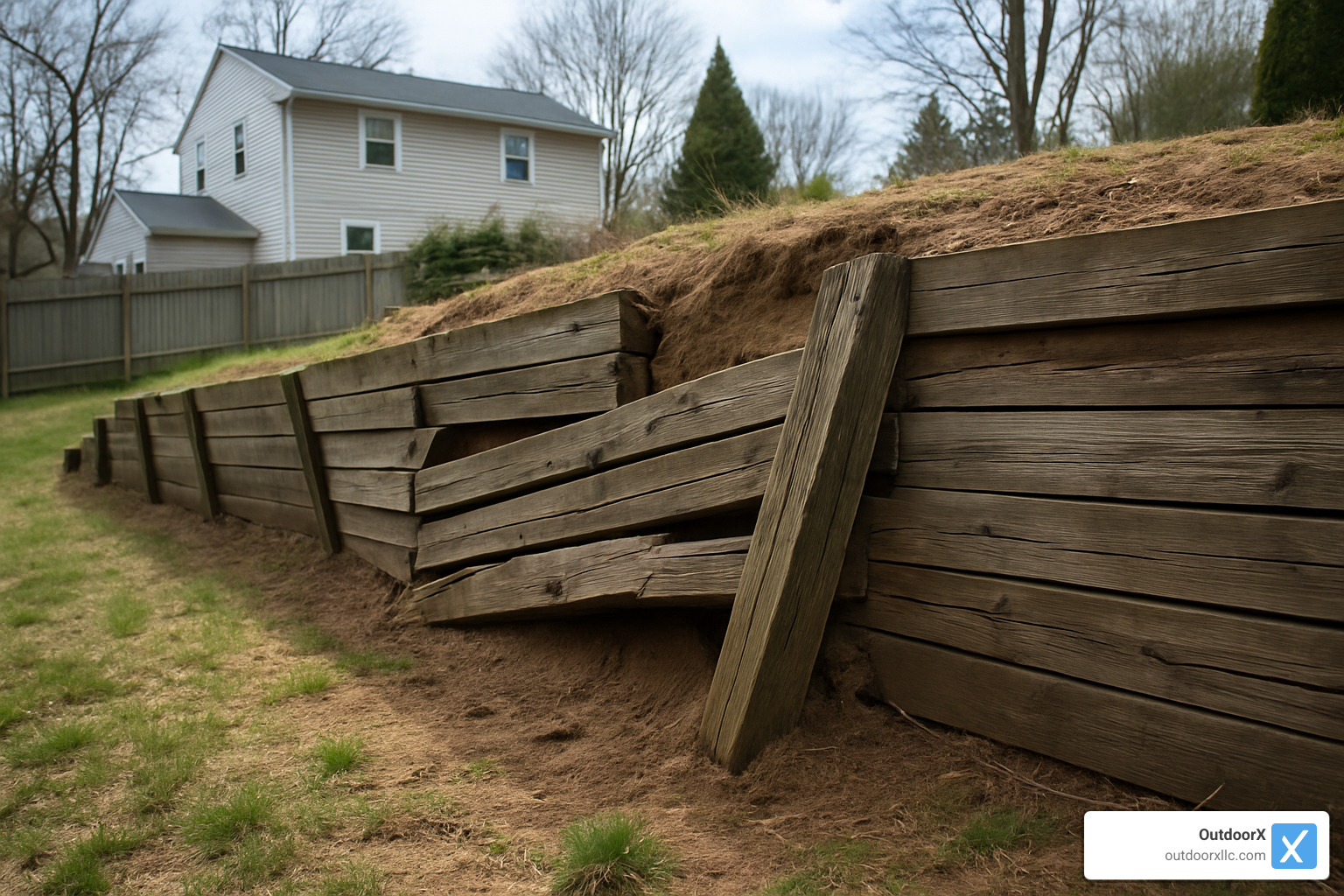
Site Red Flags
Your property will give you plenty of hints when soil stability becomes an issue. That leaning fence that used to stand tall? It’s not just tired – it’s telling you the ground beneath is shifting. After rainstorms, do you notice pooling water that just won’t drain? That’s more than a puddle problem; it’s a drainage issue waiting to cause erosion.
Take a walk around your property and look for cracked patios or walkways. These fractures aren’t just cosmetic – they’re evidence of ground movement underneath. If your established trees have exposed roots where soil used to be, that’s Mother Nature’s way of showing you erosion is actively happening. And that soil accumulation at the bottom of your slope? That’s literally your property washing away with each rainfall.
As one Essex County homeowner finded: “We ignored the small cracks in our patio for months. By the time we called a professional, the damage had spread to our foundation. What could have been a simple retaining wall project turned into a much more extensive repair.”
Signs You Need a Retaining Wall Contractor Near Me
If you already have a retaining wall, watch for these telltale signs of trouble:
Wall Tilt is perhaps the most obvious red flag. Any lean exceeding 10 degrees from vertical isn’t just a cosmetic issue – it’s a structural emergency waiting to happen. Even slight tilting suggests serious problems developing beneath the surface that require professional attention.
Notice any bulging blocks pushing outward from your wall face? That’s typically hydrostatic pressure building up behind the structure. Water is powerful – when it can’t escape properly, it pushes with incredible force against your wall.
Those small drainage clogs might seem minor, but blocked weep holes or pipes prevent water from escaping, dramatically increasing pressure behind your wall. After heavy rainfall, check to make sure water is flowing freely through drainage points.
Stair-step cracks following mortar joints in a step pattern aren’t just an aesthetic issue – they’re your wall’s way of telling you foundation movement or settling is occurring. These distinctive crack patterns almost always indicate structural problems that need addressing.
“Delaying repairs can lead to increased structural damage, compromised stability, and safety risks,” warns one industry expert. What starts as a small issue can quickly escalate, especially after heavy rainfall or freeze-thaw cycles we experience here in Massachusetts.
Benefits of Hiring a Local Retaining Wall Contractor Near Me
When searching for a retaining wall contractor near me, choosing someone with local expertise like OutdoorX offers distinct advantages that out-of-town companies simply can’t match.
Our team brings regional soil knowledge that’s invaluable to proper wall construction. We understand the specific soil compositions throughout Essex County – from the sandy coastal soils of Gloucester and Rockport to the clay-heavy inland areas of North Andover. This local expertise allows us to tailor construction methods specifically to your property’s unique conditions.
The permitting process can be a headache, but local contractors have established relationships with municipal building departments. This faster permit processing comes from understanding the specific requirements in each town. What might take weeks for an out-of-town contractor often takes days for someone who regularly works with your local building department.
There’s something irreplaceable about in-person meetings when planning such an important project. Face-to-face consultations allow for more thorough site evaluations and clearer communication about your goals. As one Hamilton homeowner noted, “Being able to walk my property with a contractor who could point out issues I hadn’t even noticed made all the difference in planning our retaining wall project.”
Perhaps most valuable is the ability to check local references from projects in your neighborhood. You can see completed work in similar conditions and potentially speak with neighbors about their experience – something impossible with contractors from outside the area.
“When it comes to protecting your property from erosion, managing water runoff, and adding aesthetic value, retaining walls play a crucial role,” notes one landscaping professional. “Finding the right retaining wall contractor near me might take some effort, but the peace of mind that comes with local expertise makes that search worthwhile.”
Vetting a Retaining Wall Contractor: Licenses, Questions & Red Flags
Finding the right retaining wall contractor near me shouldn’t feel like searching for a needle in a haystack. With a little know-how about what to look for, you can separate the professionals from the pretenders and ensure your project is in capable hands.
Licensing and Certification Requirements
When I’m talking with homeowners across Essex County, I always emphasize the importance of proper credentials. Here in Massachusetts, any contractor working on your home should have a Home Improvement Contractor (HIC) registration—this isn’t just a formality, it’s your first layer of protection as a consumer.
Beyond basic licensing, don’t hesitate to ask for proof of insurance. A reputable retaining wall contractor near me should carry both liability insurance (at least $1 million in coverage) and workers’ compensation. Without these, you could be financially responsible if someone gets injured on your property or if your neighbor’s foundation gets damaged during excavation.
Industry certifications tell you a lot about a contractor’s commitment to their craft. Credentials from organizations like the Interlocking Concrete Pavement Institute (ICPI) or National Concrete Masonry Association (NCMA) signal that your contractor has invested in specialized training for retaining wall construction—not just general landscaping knowledge.
“The difference between a contractor who’s specifically trained in retaining wall construction versus someone who ‘also does walls’ can be the difference between a structure that lasts for decades or fails after the first heavy rain,” explains one industry veteran.
Don’t forget to ask about warranties. Professional contractors should stand behind their work with written guarantees—typically 1-5 years for labor and up to 25 years for materials. If someone isn’t willing to guarantee their work, that speaks volumes.
10 Must-Ask Questions for Potential Contractors
When you’re interviewing potential contractors, these questions will help reveal their expertise and reliability:
- How many years have you been building retaining walls specifically? Experience with general landscaping isn’t the same as specialized retaining wall knowledge.
- Can you provide examples of similar projects you’ve completed in my area? Local experience matters, especially with our unique New England soil conditions.
- Will you obtain all necessary permits, and are they included in your estimate? Permit-pulling should never be your responsibility as the homeowner.
- What drainage systems do you incorporate, and how will you prevent hydrostatic pressure? This question often separates professionals from amateurs—proper drainage is non-negotiable.
- Will you provide a detailed, itemized estimate including materials, labor, and potential extras? Transparency in pricing prevents surprises later.
- Do you use geogrid or other reinforcement in your walls, and how do you determine when it’s needed? This shows whether they understand structural engineering principles.
- What is your typical timeline from contract signing to project completion? Realistic scheduling demonstrates professionalism and experience.
- How do you handle change orders if unexpected issues arise during construction? Their answer reveals how they’ll communicate when (not if) complications occur.
- Will you provide a written warranty, and what exactly does it cover? The details matter here—some warranties have significant exclusions.
- Who will be my main point of contact during the project, and how often will you communicate updates? Clear communication prevents misunderstandings.
“Request quotes from at least three professionals,” advises one industry expert. “Have contractors perform a site visit and provide a detailed bid. Compare reviews, ask for photos of past work, and verify licenses.”
Red Flags to Watch For
Trust your instincts when interviewing contractors. Be especially wary of anyone who:
Demands large upfront deposits exceeding 30% of the project cost—this could indicate cash flow problems or worse. A professional retaining wall contractor near me typically asks for 10-25% to start.
Can’t provide local references or examples of similar projects in your area. If they’ve done good work, they should be eager to show it off.
Gives you an estimate without actually visiting your property. Every retaining wall project has unique challenges that can only be identified in person.
Gets vague or defensive when you ask about drainage solutions. Proper drainage is absolutely critical to wall longevity—if they can’t explain their approach clearly, move on.
Offers a price significantly lower than other quotes. In retaining wall construction, unusually low bids almost always lead to cut corners, inferior materials, or unexpected “extras” later.
How to Check References & Portfolios
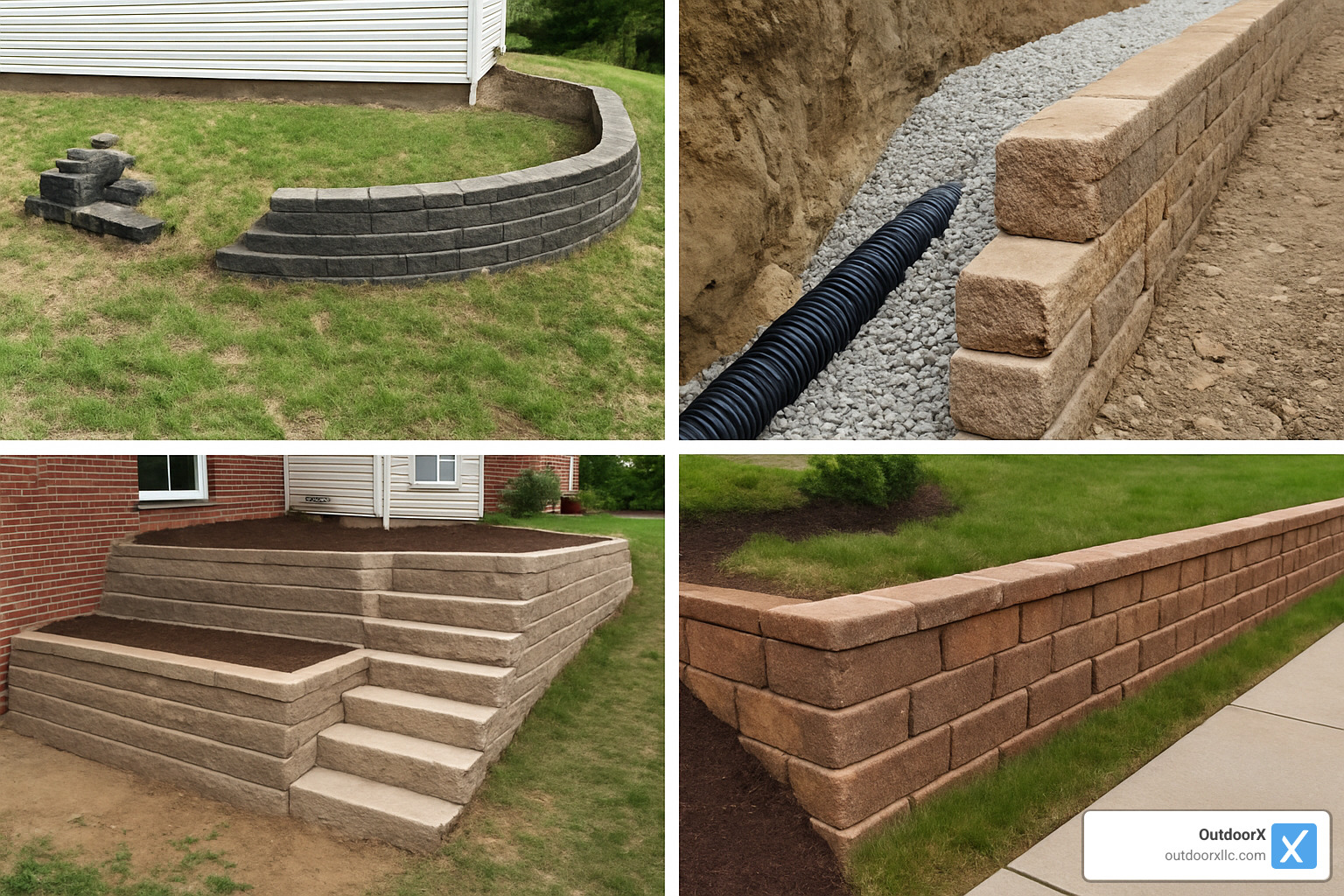
A picture may be worth a thousand words, but a conversation with a previous client is priceless. When reviewing a contractor’s portfolio, look beyond the “beauty shots” to the practical details. Are the wall lines straight? Do you see proper capstones? Is there evidence of drainage installation?
Online reviews can provide valuable insights, but read them with a critical eye. Look for specific comments about retaining walls rather than general landscaping feedback. Pay attention to how the company responds to negative reviews—do they address concerns professionally or get defensive?
Nothing beats seeing their work in person. Ask if you can visit a recently completed project or even an active job site. This gives you a real sense of their craftsmanship and how they manage their work area. A clean, organized job site often indicates attention to detail in the actual construction.
When speaking with client references, ask pointed questions: Did the project stay on budget? How did the contractor handle unexpected challenges? Would they hire this company again? One former client told me, “What impressed me most wasn’t that everything went perfectly—it was how quickly and fairly they resolved the issues that inevitably came up.”
“Check multiple sources—online reviews plus direct client references—for balanced feedback,” recommends one construction advisor. This multi-pronged approach gives you a more complete picture of what to expect.
Must-Have Contract Inclusions
A professional contract is your roadmap and protection. Before signing anything, ensure these elements are clearly spelled out:
Your contract should include a detailed scope of work with precise measurements, material specifications (including brand, type, and color), drainage system details, site preparation methods, and cleanup responsibilities. Vague descriptions like “build retaining wall in backyard” leave too much room for interpretation.
The payment schedule should protect both parties—typically a reasonable deposit followed by progress payments tied to completion milestones. Never pay in full upfront, and always hold back final payment (10-15%) until you’re completely satisfied with the finished project.
A realistic timeline should account for potential weather delays while still providing clear start and completion dates. Ask how they’ll handle significant delays and what constitutes a reasonable extension versus a breach of contract.
The change order process might seem like a minor detail until you need it. Your contract should clearly explain how modifications will be documented, approved, and priced, as well as how they might impact the original timeline.
“The quality of a contractor’s contract often reflects the quality of their work,” notes one industry expert. “Professionals have nothing to hide and will gladly provide detailed documentation.”
Budgeting, Permits & Timeline Essentials
Planning a retaining wall isn’t just about picking pretty stones—it’s about understanding what this project will cost you in time, money, and paperwork. Let’s break down what you should expect when budgeting for your new retaining wall.

When it comes to costs, retaining walls vary dramatically based on what you’re building. According to internet data (not specific OutdoorX pricing), you’re looking at anywhere from $10 to $150 per square foot. Why such a huge range? A simple pressure-treated timber wall for a garden edge costs far less than a commercial-grade engineered stone wall holding back a hillside.
The labor portion makes up a significant chunk of your budget. Landscape crews typically charge between $25 and $50 per person-hour based on industry averages. For a two-person team, that’s $50 to $100 hourly. And if your project requires heavy machinery operators or specialized skills, those rates climb even higher.
Don’t forget about the invisible costs that surprise many homeowners. Site preparation often eats up 15-30% of your budget, especially if you’re dealing with challenging terrain or removing a failed wall. And proper drainage—absolutely essential for any retaining wall’s survival—adds another $5-15 per linear foot for gravel, drainage pipe, and filter fabric.
“The drainage system behind your wall is like insurance for your investment,” explains one local contractor. “Skimping here is like buying a new car but declining the oil changes—it just doesn’t make sense long-term.”
For taller walls (typically over 4 feet), you’ll need professional engineering plans. These blueprints ensure your wall won’t fail and can add $500-2,000 to your project depending on complexity. They’re not optional—they’re required by building codes for good reason.
Average Cost Factors (Internet Data Only)
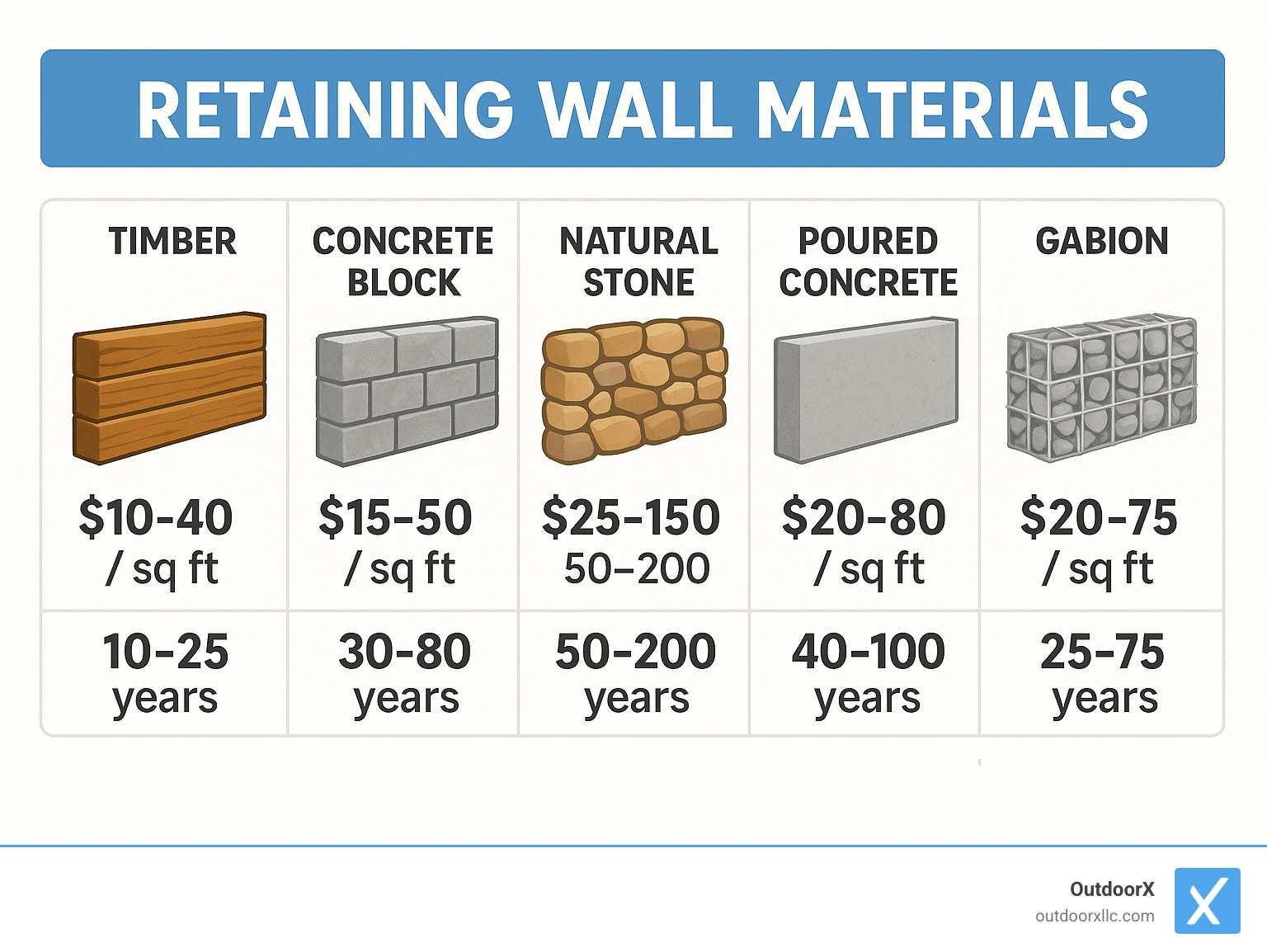
Your material choice dramatically impacts your bottom line. Wood retaining walls represent the budget option at $10-40 per square foot installed, while concrete block systems range from $15-50 per square foot. If you’re dreaming of a natural stone wall, be prepared for $25-150 per square foot, depending on the stone type and installation complexity. Poured concrete walls typically fall between $20-80 per square foot.
Wall height doesn’t just increase costs linearly—it’s more exponential. Each additional foot of height requires deeper foundations, more material, and often additional reinforcement techniques like geogrid. A wall that’s 6 feet tall might cost more than double what a 3-foot wall would cost per linear foot.
Other factors that might inflate your budget include difficult access (narrow yards or steep slopes where equipment can’t easily reach), custom design elements (built-in lighting, seating, or curves), and even the time of year. In Essex County, many contractors are booked solid during spring and summer months, sometimes commanding premium rates during these peak times.
One Danvers homeowner shared: “We saved almost 15% by scheduling our retaining wall installation for October instead of waiting until the spring rush. Plus, our contractor was more available for questions and site visits during the slower season.”
Permit & Regulation Checklist
The paperwork side of retaining walls catches many homeowners by surprise. Here in Essex County, most towns require building permits for walls over 2-4 feet in height (measured from the bottom of the footing, not just the visible portion).
Your local building department should be your first stop—ideally before you even finalize your design. They can tell you exactly what’s required for your specific property. Some towns have simple over-the-counter permits for smaller walls, while others require full plan review and multiple inspections.
If you live in a neighborhood with a homeowners association, there’s another layer of approval to steer. HOAs often have specific guidelines about acceptable materials, colors, and maximum heights. Getting their blessing before you break ground can save you from expensive corrections later.
Don’t forget about setback requirements. Most municipalities prohibit building retaining walls right on property lines or too close to roads and utilities. These setback distances vary by location, so verify the rules for your specific property.
And please, always call Dig Safe (811) before your contractor starts excavation. This free service marks underground utilities and is not just helpful—it’s legally required. Hitting a gas line or fiber optic cable can turn your landscaping project into a neighborhood disaster.
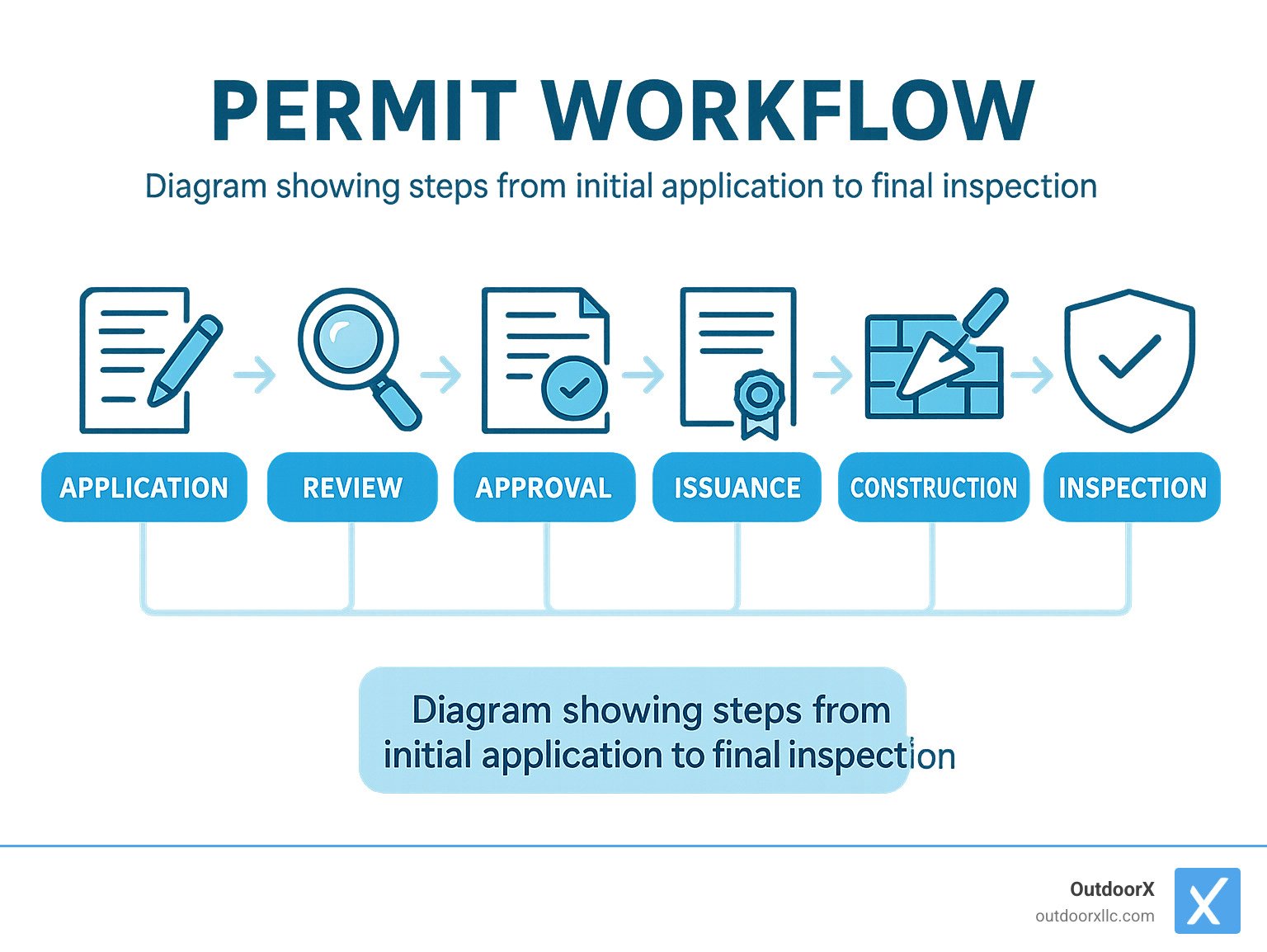
The permitting process might seem tedious, but it serves an important purpose. “Building codes for retaining walls aren’t arbitrary—they’re written in response to real failures that caused property damage or even injuries,” notes one local building inspector. “The permit process helps ensure your wall will be safe for decades to come.”
If your property sits in a historic district—common in towns like Salem, Newburyport, or Marblehead—expect additional scrutiny for walls visible from public streets. These historic commissions often prefer traditional materials and construction methods that complement the neighborhood’s character.
A good retaining wall contractor near me will handle most of this paperwork on your behalf, but understanding the process helps you set realistic expectations about both timeline and budget for your project.
More info about Retaining Walls
Installation, Lifespan & Maintenance Roadmap
When you invest in a retaining wall, understanding how it’s built and cared for helps you make smarter decisions about your property. Let’s walk through what happens from the first shovel in the ground to years of enjoying your beautiful, functional landscape feature.
The Installation Process
When you hire a retaining wall contractor near me, you’re getting a team that follows a proven approach to ensure your wall stands strong for decades:
The journey begins with thorough site preparation. Your contractor will clear away vegetation and remove any existing structures before carefully grading the area. This critical first step establishes the proper foundation and drainage patterns that will protect your investment.
Next comes the creation of a solid base. In Massachusetts, where frost can reach 4 feet deep, professionals dig a trench below this level and fill it with compacted gravel. This prevents the dreaded frost heave that can destroy even well-built walls in our New England climate.
For taller walls (typically over 3-4 feet), your contractor will incorporate geogrid reinforcement—synthetic mesh layers that extend back into the soil at regular intervals. Think of it as creating a reinforced mass that works together to resist the enormous pressure exerted by the soil behind your wall.
“The hidden elements of a retaining wall are what truly determine its longevity,” explains one industry expert. “Proper drainage systems prevent hydrostatic pressure build-up behind the wall—this single factor is perhaps the most critical element in ensuring wall longevity.”
That drainage system typically includes perforated pipe wrapped in filter fabric, surrounded by clean gravel, and positioned to direct water away from the wall structure. Your contractor will install this system carefully, knowing it’s the heart of a wall that will stand the test of time.
As the actual wall rises, each course is carefully leveled and aligned with a slight setback (typically 1 inch per foot of height) to improve stability. Behind the visible face, free-draining material is added in thin layers, with each layer compacted before adding the next—preventing future settling that could compromise your wall.
The finishing touch is the installation of decorative capstones, which not only create a polished look but also protect the structure beneath from water infiltration.
Expected Lifespans & Warranties
Different materials offer varying durability, which directly impacts how long your investment will serve your property:
Wood retaining walls typically last 10-25 years, with pressure-treated pine on the shorter end (10-15 years) and cedar or redwood potentially reaching the quarter-century mark with proper care. Most contractors offer 1-5 year warranties on wooden structures.
Concrete block walls show excellent longevity, generally lasting 30-80 years when properly installed. The manufacturers of these products often provide 25-50 year material warranties, while installation warranties from contractors typically range from 2-10 years.
Natural stone walls are the champions of durability, with potential lifespans of 50-200 years. As one masonry expert notes, “With proper design and construction, stone retaining walls can last anywhere from 50 to 200 years.” Some historic stone walls in New England have stood for over 200 years, silently testifying to the value of quality materials and craftsmanship.
No matter which material you choose, regular inspections are essential. We recommend checking your wall twice yearly—once in spring after frost cycles end and again in fall before winter begins. These quick checks can catch small issues before they become expensive problems.
Easy Maintenance Tips for Homeowners
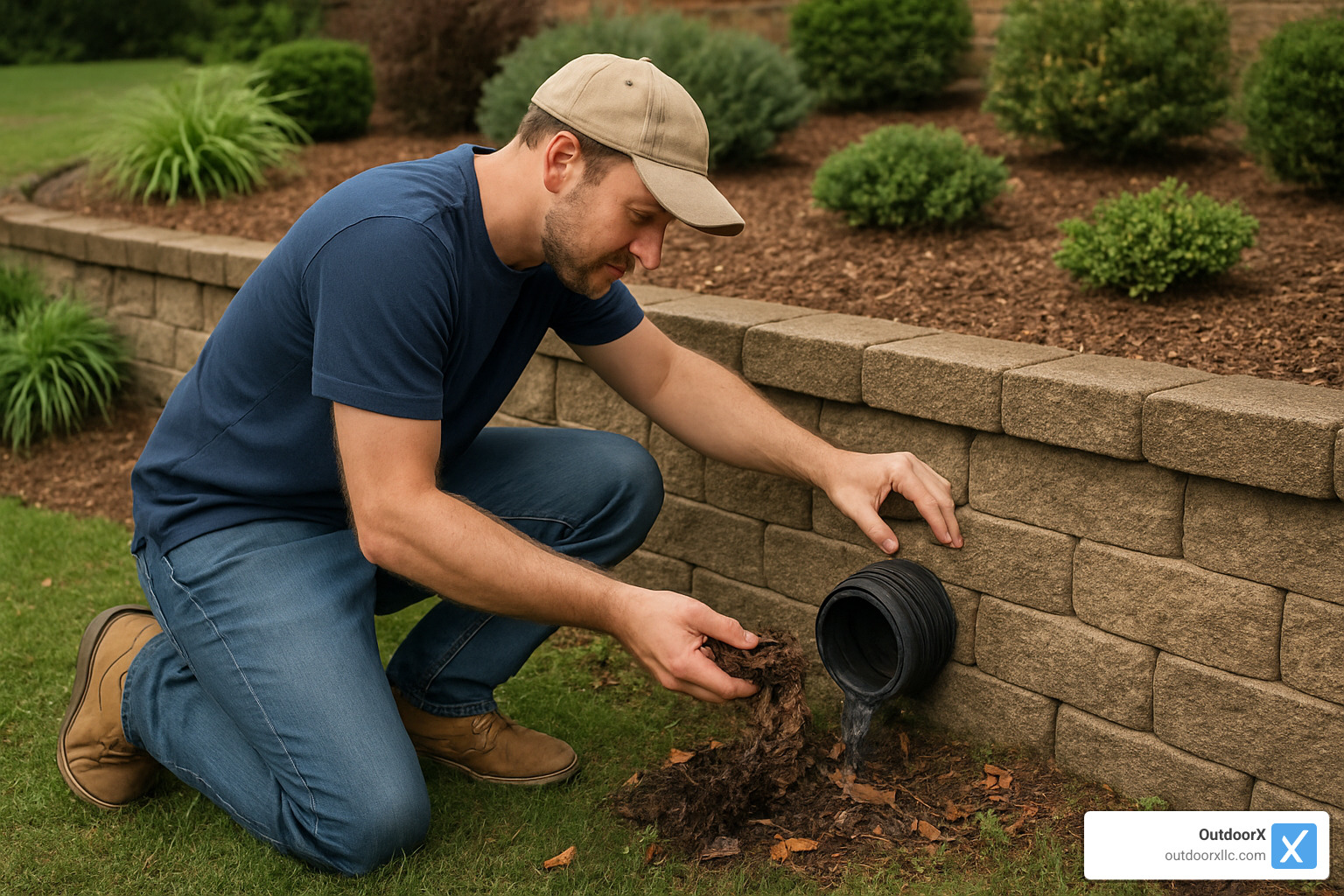
With a few simple maintenance practices, you can significantly extend your wall’s lifespan and protect your investment:
Keep those drainage outlets clear by regularly removing leaves, soil, and other debris from weep holes and drain pipe outlets. Once a year, use your garden hose to flush the drainage system and ensure water flows freely away from the wall.
Be mindful of vegetation management around your wall. While small groundcovers can actually help prevent erosion, larger plants with invasive root systems can create pressure that displaces blocks or stones. Remove any trees or shrubs growing too close to the structure.
For timber walls, apply a quality wood preservative every 2-3 years to prevent rot and discourage insects. Pay special attention to cut ends and areas where moisture tends to collect—these are the most vulnerable points in wooden structures.
Make it a habit to monitor for movement by using a level to check for any change in wall tilt annually. A smart approach is to mark suspicious areas and photograph them so you can track potential movement over time. Small changes caught early often have simple, inexpensive solutions.
Before winter arrives, ensure your wall is ready with proper winter preparation. Double-check that all drainage systems are functioning correctly, as frozen water behind a wall can cause severe damage. In areas where salt is used for ice control, occasionally rinse the wall to prevent material degradation.
One North Reading homeowner shared their experience: “After a particularly wet spring, we noticed our drain outlets were clogged with debris. A simple cleaning prevented what could have been serious damage to our wall. Now we mark it on our calendar as a bi-annual maintenance task.”
“Conduct regular inspections and maintenance to detect and address issues early,” recommends one landscape professional. “This proactive approach can add decades to your wall’s functional lifespan.”
By understanding how your wall was built and taking these simple maintenance steps, you’ll maximize your enjoyment of your outdoor space while protecting your landscape investment for years to come.
More info about Retaining Walls
Frequently Asked Questions about Retaining Wall Contractors
How much does a retaining wall cost?
Let’s talk money – always the big question! Based on internet data (not specific OutdoorX pricing), most homeowners spend between $20 and $50 per square foot for a professionally installed retaining wall. That premium materials or challenging sites can push that figure up to $150 per square foot in some cases.
To put this in perspective, a straightforward 20-foot long, 3-foot high wall might run you $3,000-7,500, while more complex or larger projects can easily exceed $20,000. It’s quite a range, I know!
Your final price tag depends on several key factors. Material choice makes a huge difference – timber walls generally cost less upfront than natural stone, which sits at the premium end. Wall height dramatically impacts cost too, as taller walls need deeper foundations and often require engineering. The accessibility of your site matters as well – if heavy equipment can’t easily reach your project area, expect higher labor costs.
Don’t forget about drainage systems (absolutely essential for wall longevity), potential engineering fees (typically required for walls over 4 feet), and even your location, as local labor rates vary significantly across Essex County.
For the most accurate picture of what your specific project might cost, I’d recommend scheduling an on-site consultation with a qualified retaining wall contractor near me. There’s simply no substitute for having experienced eyes on your unique property challenges.
What qualifications should my contractor hold?
Finding a qualified retaining wall contractor near me requires knowing what credentials to look for. Think of this as your contractor checklist:
First, verify proper licensing. In Massachusetts, this typically includes Home Improvement Contractor (HIC) registration for residential work. For walls requiring building permits (usually those over 4 feet), your contractor should also hold a Construction Supervisor License (CSL).
Next, don’t skip checking their insurance coverage. A professional should carry both liability insurance (minimum $1 million) and workers’ compensation. This protects you from potential liability if accidents occur on your property – trust me, this peace of mind is invaluable!
Look for industry certifications from organizations like the Interlocking Concrete Pavement Institute (ICPI) or National Concrete Masonry Association (NCMA). These credentials demonstrate specialized training and commitment to best practices.
Local experience matters tremendously with retaining walls. Ideally, your contractor should have at least 5 years of experience specifically building retaining walls in Essex County, as our regional soil conditions and regulations have unique challenges.
Always ask to see their portfolio of similar projects. Pictures tell the truth – if they’ve successfully completed walls like yours before, it’s a good sign they can handle your project.
Don’t forget to check references and reviews. Talk to previous clients directly if possible, asking specifically about communication style, problem-solving abilities, and whether the project stayed on budget.
Finally, insist on a written warranty covering both materials and workmanship. As one industry expert notes, “Verify contractors’ licenses, permits, and liability insurance before hiring.” These credentials protect both you and the contractor throughout the project.
How long will installation take from permit to completion?
Patience is definitely a virtue when it comes to retaining wall projects! Here’s a realistic timeline of what to expect:
The process begins with your initial consultation and design phase, which typically takes 1-2 weeks. During this time, your contractor will visit your site, discuss your needs, and develop preliminary design concepts.
Next comes finalizing the design and proposal – another 1-2 weeks where you’ll refine the plan, select materials, and review a detailed contract. This is when you’ll make important decisions about aesthetics and functionality.
Then there’s the permitting process, which can be the wild card in your timeline. This varies dramatically depending on your town – smaller municipalities might approve simple projects in a couple of weeks, while larger cities or complex projects requiring engineering could take 2-8 weeks or even longer. Historic districts in places like Salem or Newburyport often have additional review requirements.
Once permits are in hand, allow 1-3 weeks for material ordering and scheduling. Some materials, especially specialty stone or custom products, may have extended lead times. Your contractor should keep you updated on this timeline.
The actual construction phase varies based on project scope:
– A small garden wall (20 feet long, 2 feet high) might take just 1-3 days
– A medium residential wall (40 feet long, 4 feet high) typically requires 1-2 weeks
– Larger or complex projects with multiple walls could extend to 2-3 weeks
Finally, if your project required permits, you’ll need 1-2 weeks for final inspection and approval by municipal authorities.
“Understand each stage of installation: site preparation, foundation, wall construction, drainage installation, backfilling, and finishing,” as one contractor wisely notes. This helps set realistic expectations for your project timeline.
Weather can throw a wrench in even the best-planned schedule, especially in New England. Many retaining wall contractors near me book months in advance for spring and summer work, so if you’re thinking about a project, it’s never too early to start the conversation!
Conclusion
Finding the right retaining wall contractor near me isn’t just about hiring someone to stack some blocks or stones—it’s about choosing a partner who’ll help protect your property while creating beautiful outdoor spaces you’ll enjoy for years to come.
Throughout Essex County, from the rocky coastal landscapes of Gloucester and Marblehead to the rolling hills of North Andover and Boxford, each property tells its own story and presents unique challenges. That’s why local expertise matters so much when it comes to retaining walls.
At OutdoorX, we see retaining walls as the perfect marriage of function and beauty. They need to hold back soil and manage water flow, but they can also transform your outdoor living space in ways you might not have imagined. Our team brings both the technical know-how for proper construction and the design vision to make your wall a standout feature of your landscape.
Maybe you’ve noticed your existing wall starting to lean, or perhaps that sloped yard has been unusable since you moved in. Whatever your situation, investing in professional installation pays off in the long run—through a wall that stands the test of time, a yard that works for your lifestyle, and the peace of mind that comes from knowing things were done right.
As you search for a retaining wall contractor near me, keep these essentials in mind:
Choose materials that match both your style preferences and practical needs. That gorgeous natural stone might be worth the investment if you’re planning to stay in your home for decades, while a high-quality block system might make more sense for other situations.
Always verify credentials before signing any contract. Check that your contractor carries proper insurance, has experience with similar projects in your area, and can provide references from satisfied customers.
Don’t compromise on drainage! We can’t stress this enough—proper water management behind your wall is absolutely critical to its longevity. A beautiful wall without proper drainage is like a gorgeous car without an engine.
Get everything in writing before work begins. A detailed contract protects both you and your contractor by setting clear expectations about materials, timeline, costs, and warranties.
Understand what maintenance your wall will need down the road. Even the most durable walls benefit from regular check-ups and simple care to ensure they last as long as possible.
We’d love to help you transform your challenging slopes into beautiful, functional spaces that will serve you well for years to come. Our team serves communities throughout Essex County, including Andover, Beverly, Boxford, Danvers, Essex, Georgetown, Gloucester, Ipswich, Lynnfield, Manchester-by-the-Sea, Marblehead, Newburyport, North Andover, North Reading, Peabody, Rockport, Rowley, Salem, Swampscott, Topsfield, and Wenham.
Ready to discuss your retaining wall project? We’re happy to provide a free consultation to explore your options and answer any questions you might have.
More info about our Retaining Wall services